

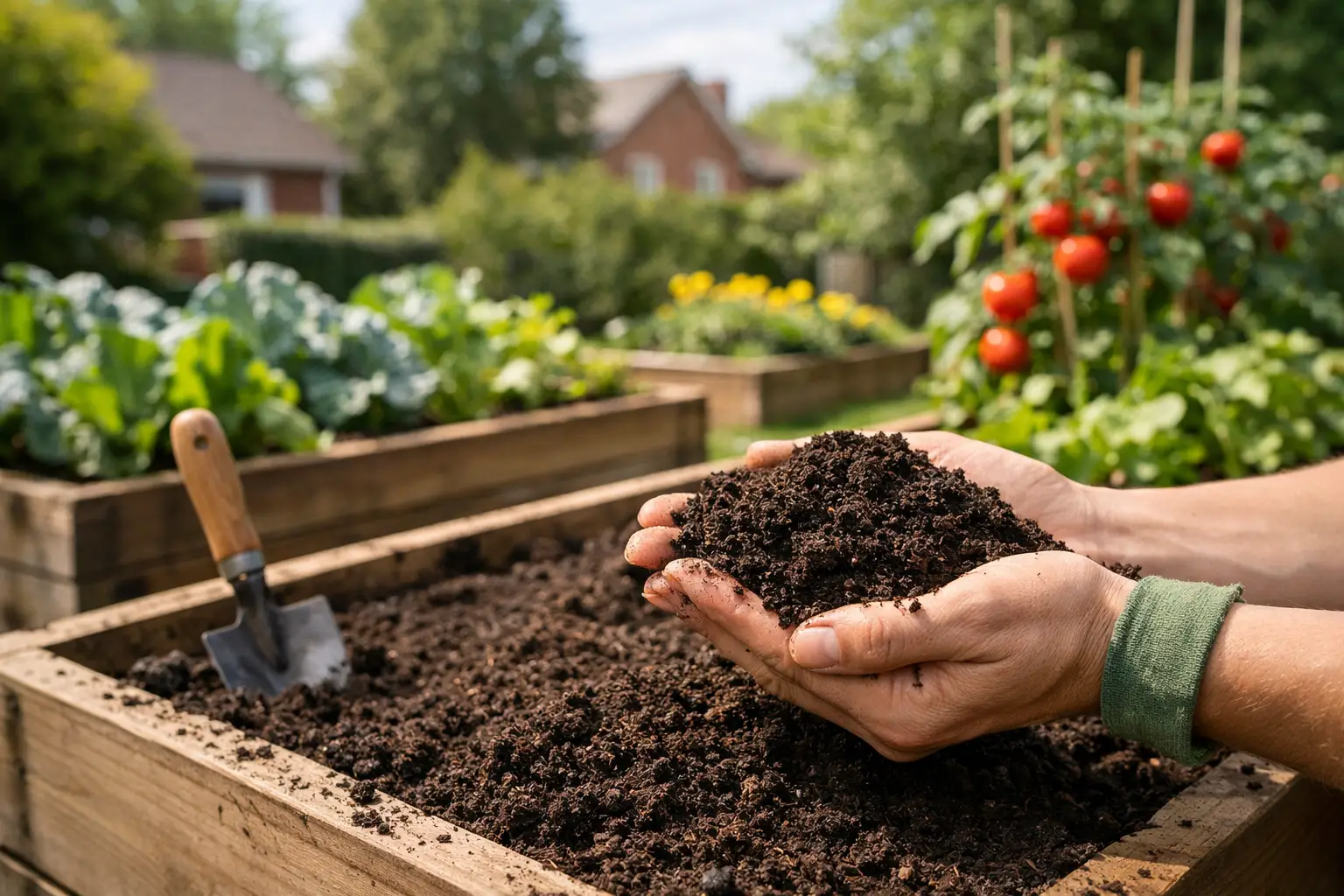
A raised bed can look ready to plant the moment the frame is built, but what goes inside determines whether it becomes a productive garden or a frustrating patch of struggling plants. The best soil for raised beds is not plain native dirt and not a single bagged product. It is a balanced mix that holds moisture, drains well after a Birmingham downpour, and gives roots room to grow.
For vegetables, herbs, annual flowers, and many small shrubs, that balance usually comes from quality topsoil blended with organic matter. Start with good materials, fill the bed properly, and your plants will have a much better foundation from day one.
What Makes the Best Soil for Raised Beds?
Raised-bed soil has a different job than soil in the ground. Because the bed sits above the surrounding grade, it dries out faster and relies entirely on the material you add. At the same time, a mix that is too light can wash nutrients away or require constant watering. A mix that is too dense can stay wet around plant roots, especially during Alabama’s humid spring and summer weather.
The best blend has three qualities: it provides nutrients, retains enough water for roots to use, and leaves open spaces for air and drainage. Quality topsoil supplies mineral content and body. Compost or other well-finished organic material supports soil life and improves fertility. A coarse, well-draining component can be useful when the mix is heavy or when you are growing plants that dislike wet feet.
For most home vegetable beds, a practical starting point is roughly 60 percent quality topsoil, 30 percent compost, and 10 percent coarse material or additional organic amendment as needed. That is a guideline, not a rigid recipe. If your topsoil is already loose and well screened, it may not need much added drainage material. If you are filling a bed for flowers rather than tomatoes and peppers, the preferred mix can vary by plant type.
Why Plain Birmingham Clay Is Not Enough
Many properties around Birmingham have clay-heavy native soil. Clay is not automatically bad. It contains useful minerals and can hold water well. The problem is structure: when packed into a raised bed by itself, it can become dense, slow to drain, and hard for young roots to penetrate.
Avoid filling a raised bed with excavated yard soil alone, even if it is free and close at hand. It may contain weed seeds, construction debris, compacted clay, or roots from the area where it was removed. It also rarely has the loose, consistent texture gardeners want in a new bed.
Likewise, do not fill the whole bed with compost. Compost is valuable, but it settles as it decomposes and can hold too much moisture when used by itself. It works best as part of a blended growing mix and as a regular topdressing once the bed is planted.
Topsoil Builds the Base
Good screened topsoil is the foundation of most raised-bed projects. Screening removes large rocks, sticks, and debris so the material is easier to spread and plant in. It gives your bed enough weight and mineral content to support long-term growth without becoming as dense as unamended yard clay.
Ask what a topsoil product is intended for. Some materials are best suited for leveling, filling low spots, or establishing a lawn. Others are better for planting beds because they are screened and blended for a more workable texture. A knowledgeable local material supplier can help you match the soil to the project instead of asking you to guess from a bag label.
Compost Feeds the Soil Over Time
Compost improves texture while adding organic matter that supports healthier roots. It helps sandy mixes hold moisture and helps heavier mixes become more crumbly and workable. In a raised bed, compost also provides a steady, gentler source of nutrients than relying on fertilizer alone.
Use compost that is mature and well finished. Fresh, unfinished material can tie up nitrogen as it breaks down, create excess heat, or introduce an unpleasant odor. A dark, earthy material with a uniform texture is usually what you want for garden use.
Drainage Materials Are Useful, but Not Always Required
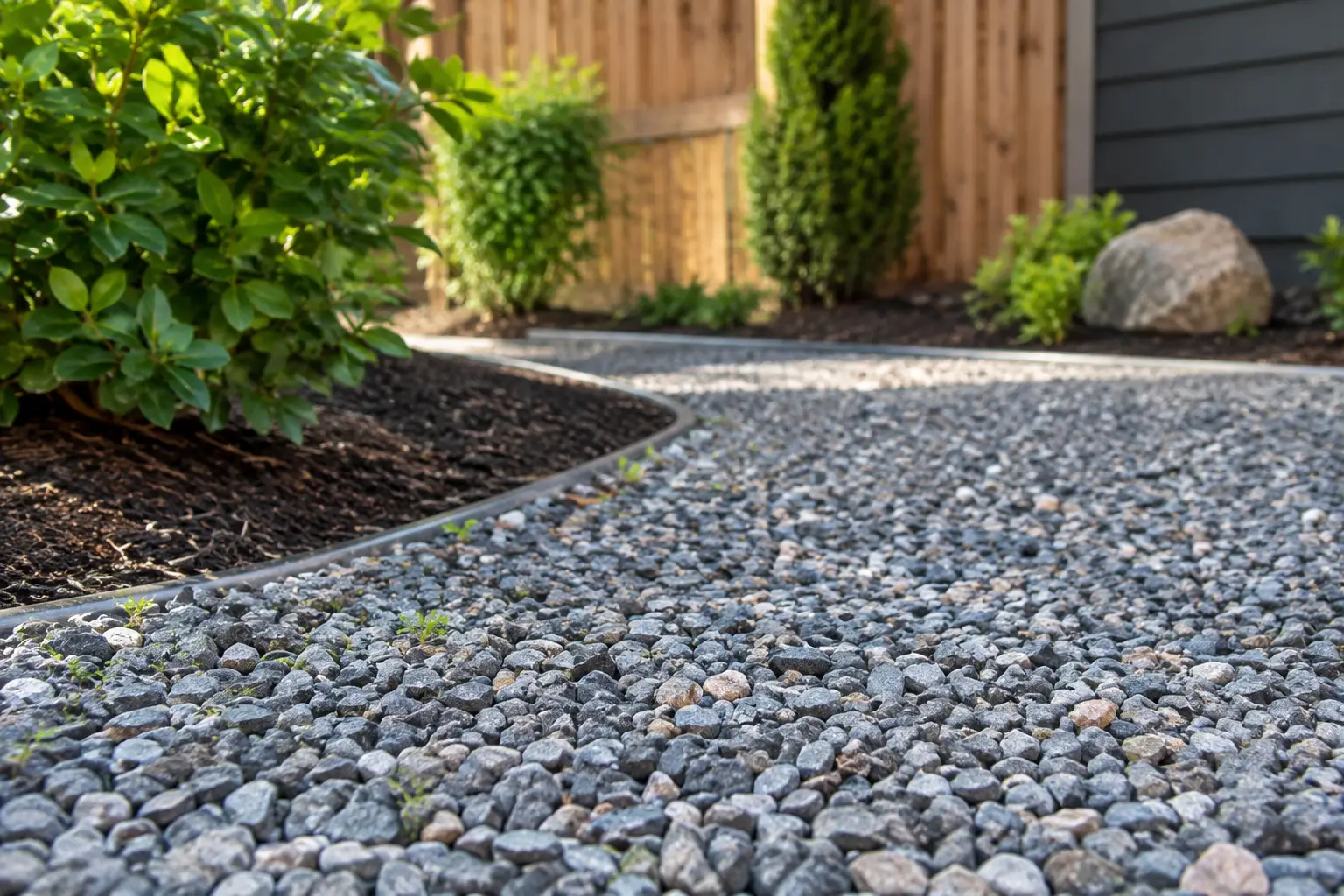
A common mistake is putting gravel in the bottom of a raised bed to improve drainage. In most beds, it does not solve the problem gardeners expect. Water can actually perch above the change in material texture, leaving the root zone wetter than it should be.
Instead, build drainage into the soil blend and make sure the bed has an open bottom or drainage holes. If the bed is sitting on a hard surface, use a purpose-made container mix or make certain there are sufficient openings for water to leave. For beds placed over grass or soil, remove thick turf, loosen the ground beneath if possible, and let roots eventually grow beyond the bed’s original fill.
Choose a Mix Based on What You Are Growing
Tomatoes, peppers, cucumbers, beans, squash, and leafy greens perform well in a rich, moisture-retentive blend with reliable drainage. These are heavy feeders, so compost and a vegetable-appropriate fertilizer plan matter. A deeper bed, generally at least 12 inches, gives their roots more room and reduces how quickly the soil dries out.
Herbs are less uniform. Basil, parsley, and cilantro appreciate a fertile raised-bed mix similar to vegetables. Mediterranean herbs such as rosemary, thyme, oregano, and lavender prefer a leaner, faster-draining soil. For these plants, reduce the compost portion and use a looser blend. Overwatering is often a bigger threat than poor soil for these herbs.
For annual flowers, a balanced topsoil and compost mix works well, especially when refreshed before each planting season. Perennials may need more specific conditions. Native plants and drought-tolerant selections typically do not need an overly rich bed, while moisture-loving plants may benefit from more organic matter.
How Much Soil Do You Need?
Running short on soil halfway through filling a bed creates extra work. Measure the inside length, width, and soil depth of the bed in feet, then multiply those three numbers. Divide the result by 27 to find the number of cubic yards needed.
For example, a 4-foot by 8-foot bed filled to 12 inches deep needs 32 cubic feet of soil. Divide by 27 and you get about 1.2 cubic yards. Order a little extra when possible. Soil settles after watering, and having a small amount left over is useful for topping off beds, filling containers, or repairing low garden spots.
Bulk material is often the more practical choice for several beds or a larger garden area. It reduces the number of bags to haul, open, and dispose of, while giving you a more consistent mix across the project. Landscape Source can help Birmingham-area customers plan the right quantity and arrange delivery with clear placement instructions, which is especially helpful when a load needs to be dropped near a backyard gate, driveway, or work area.
Fill and Plant Without Compacting the Bed
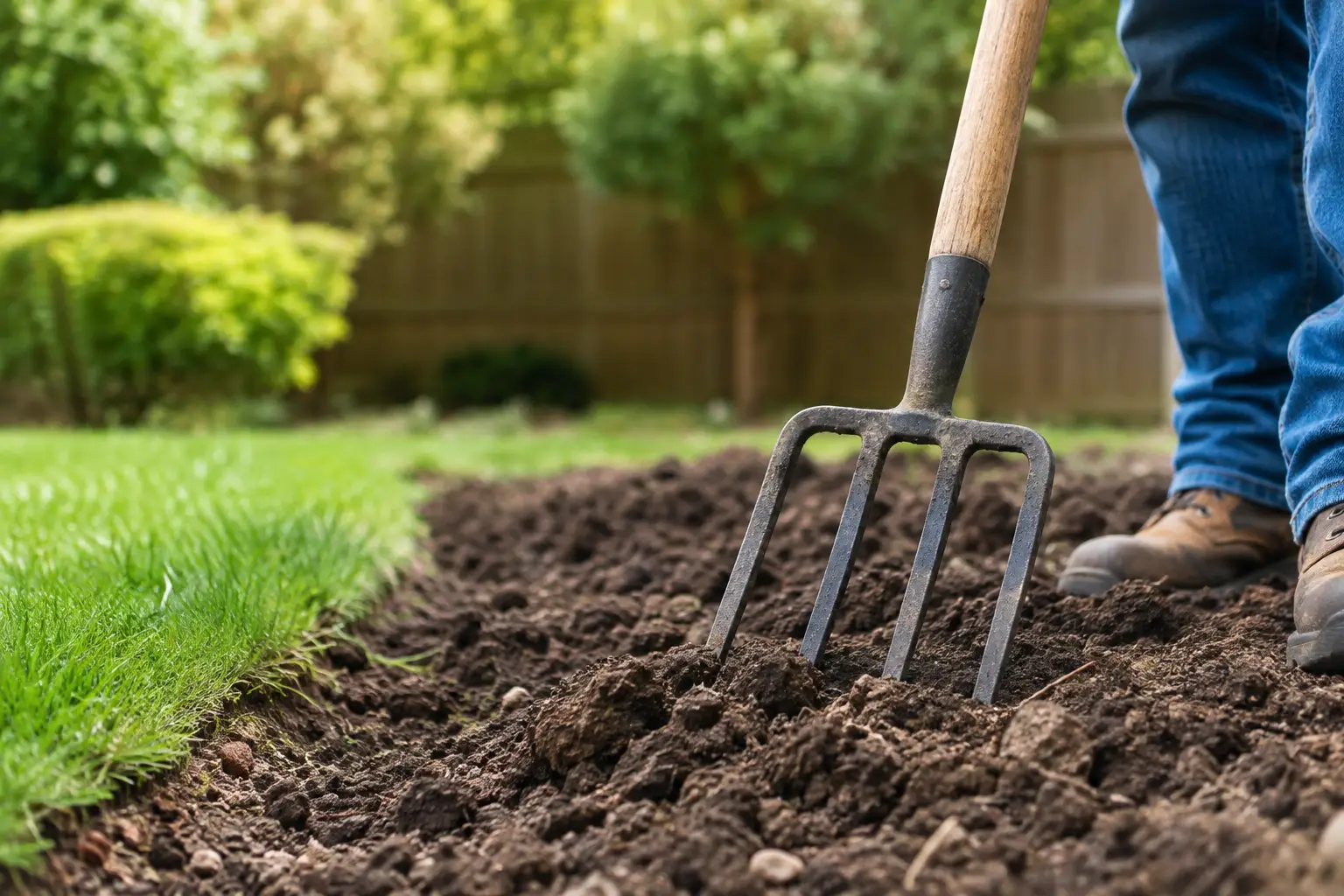
Add the soil blend in layers, but do not pack each layer down. Lightly rake it level and water it once to encourage settling. Then add more material if the surface drops significantly. The goal is a full, loose bed, not a tightly compressed one.
Leave about 1 to 2 inches between the finished soil level and the top edge of the frame. This space keeps water from carrying soil over the sides and leaves room for mulch. After planting, a light layer of clean mulch around established vegetable and flower plants can limit weeds and reduce moisture loss. Keep mulch a few inches away from stems to avoid trapping moisture directly against them.
Keep Raised-Bed Soil Productive Each Season
Even the best mix changes over time. Plants use nutrients, organic matter breaks down, and watering gradually settles the soil. Before spring planting, add one to two inches of compost or a quality garden soil blend across the surface and work it gently into the top few inches.
Pay attention to what your plants tell you. Yellow leaves may point to a nutrient issue, but they can also signal overwatering, poor drainage, or cool weather. Stunted plants can result from crowded roots or a compacted bed, not just a lack of fertilizer. A simple soil test is worthwhile if a bed repeatedly underperforms.
A well-built raised bed should get better with care, not need to be emptied and replaced every year. Start with quality topsoil, add the right amount of organic matter, and choose a blend that fits the plants you want to grow. Then give the soil a seasonal refresh, and it will keep doing the quiet work that makes a garden worth tending.

Leave a Reply