

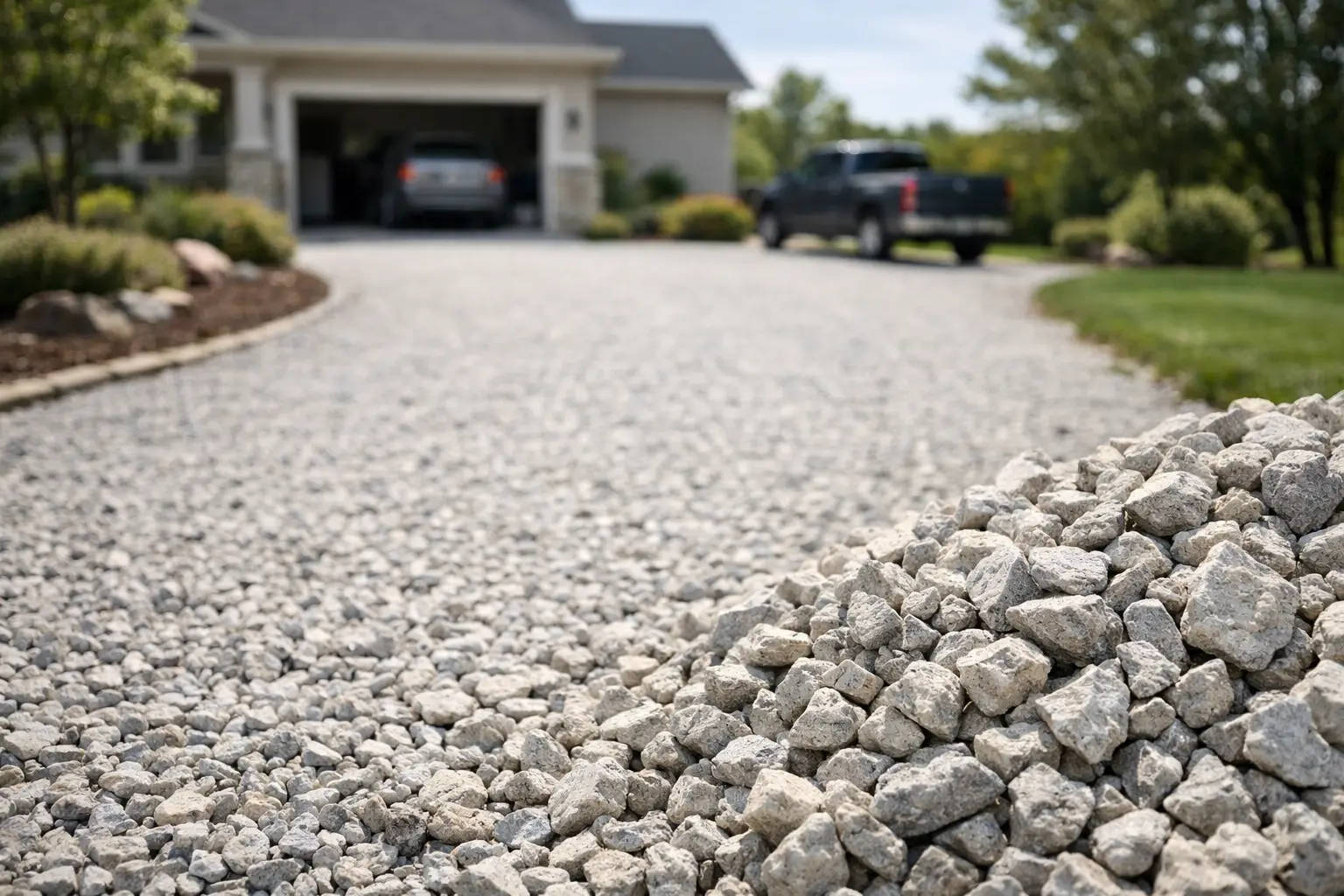
A driveway that turns into ruts after a hard Birmingham rain or tracks mud to the front door needs more than a fresh top layer of stone. Limestone gravel for driveways can provide a clean, durable surface at a practical price, but the best result comes from choosing the right material and building a base that can carry daily traffic.
For homeowners, limestone is often a smart way to improve curb appeal without the cost of concrete or asphalt. For landscape crews, it is a dependable bulk material for driveways, parking areas, access roads, and jobsite entrances. The key is knowing when limestone fits the project, what size to use, and how to prepare the ground before the delivery truck arrives.
Why Homeowners Choose Limestone Gravel for Driveways
Crushed limestone has angular edges that help the material lock together under traffic. That gives it an advantage over smooth, rounded gravel in the parts of a driveway that need to stay firm. When installed over a well-prepared base, limestone forms a stable driving surface that can be refreshed over time instead of completely replaced.
Its light, natural color also creates a tidy look beside lawns, brick homes, garden beds, and wooded lots. It can brighten an entrance that feels dark or worn, especially after rain. Limestone is not maintenance-free, but it is straightforward to maintain: address low spots, keep drainage open, and add material as the surface naturally settles or migrates.
Bulk purchasing is another major benefit. Buying by the yard is generally more practical for a full driveway than hauling small bags from a big-box store. A local supplier can also help estimate the quantity and arrange delivery close to the work area, saving time for homeowners and keeping crews on schedule.
Start With the Right Type of Limestone
Not every limestone product serves the same purpose. The material that works best beneath a driveway is not always the one that makes the best finished surface.
Crusher Run for a Firm Base
Crusher run, sometimes called dense grade aggregate, contains crushed stone along with smaller particles and fines. Those fines fill gaps between larger pieces, helping the material compact into a firm base. It is a strong choice for the lower layer of a new gravel driveway, for repairing soft sections, or for building up an area that has lost its shape.
A compacted limestone base is especially valuable on Alabama clay soils. Clay can hold water and soften when saturated, so simply spreading decorative stone over bare ground often leads to ruts and potholes. A properly compacted base separates the driving surface from the soil and gives vehicle weight a more stable foundation.
Clean Crushed Limestone for the Top Layer
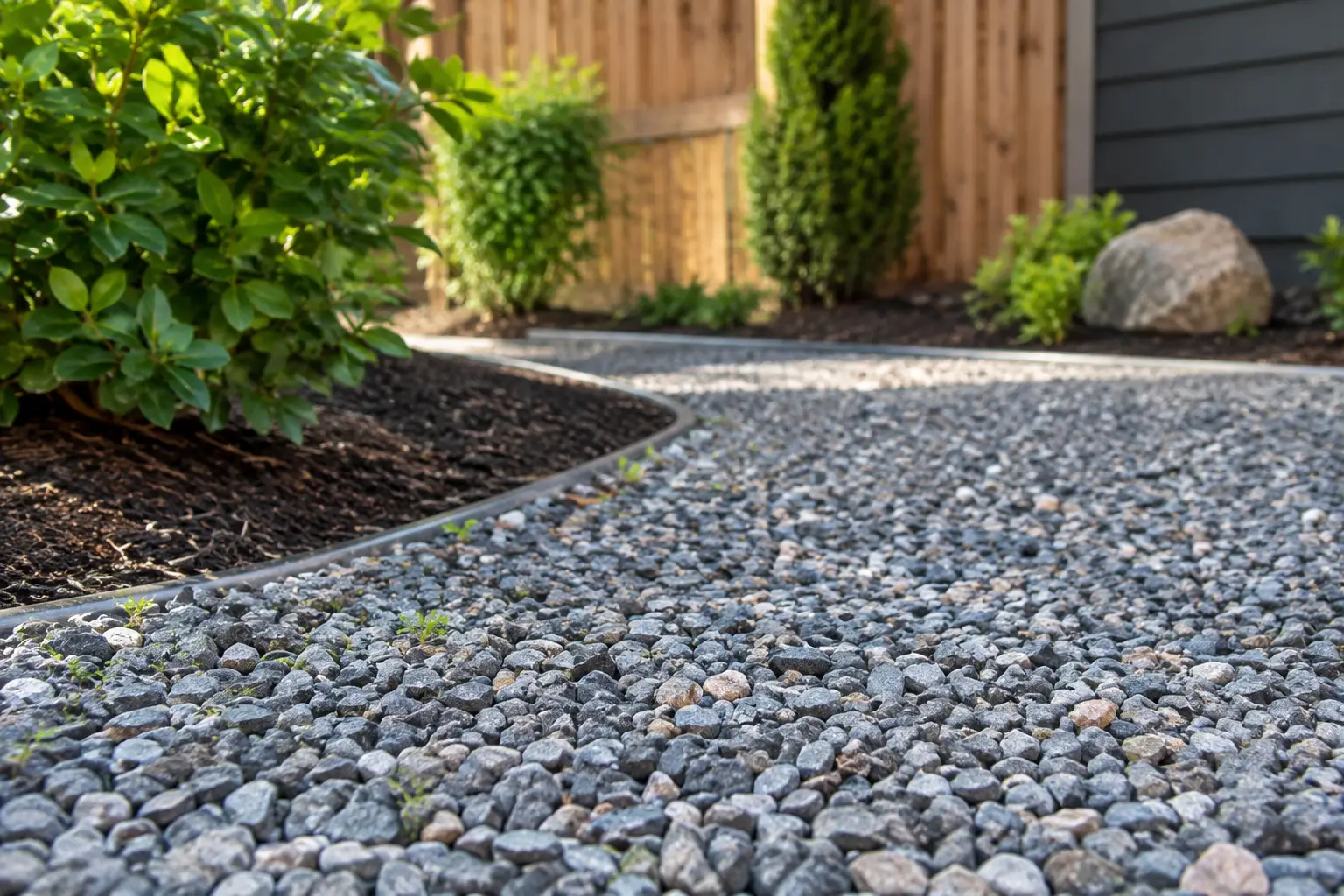
Clean crushed limestone has little or no fine material. Depending on the size, it can create a more open surface and a more defined stone appearance. It may work well as a top layer where drainage is a priority and the driveway already has a stable, compacted foundation below.
The trade-off is that clean stone does not bind together as tightly as crusher run. It can shift under tires, particularly on hills, at turning areas, and near garages where vehicles brake and turn often. On a steep driveway, a material with fines is usually the safer choice for holding its place.
Size Matters More Than It Seems
Larger stone can look substantial, but it is not always comfortable to walk on and can be harder to compact into a smooth driving surface. Smaller crushed limestone typically creates a tighter finish, while larger aggregate is often more useful as a deeper structural layer or in areas with drainage concerns.
The right size depends on the condition of the existing driveway, the slope, the soil, and the vehicles using it. A driveway used only by passenger vehicles has different needs than one carrying loaded work trucks, trailers, or regular delivery traffic. If you are unsure, bring your driveway measurements and a few details about the site to the yard team before ordering.
Preparation Makes the Difference
The most common gravel-driveway problem is not the stone itself. It is skipping the groundwork. Spreading limestone over grass, loose soil, or an old muddy driveway may look better for a few weeks, but the stone will soon mix into the ground and disappear where it is needed most.
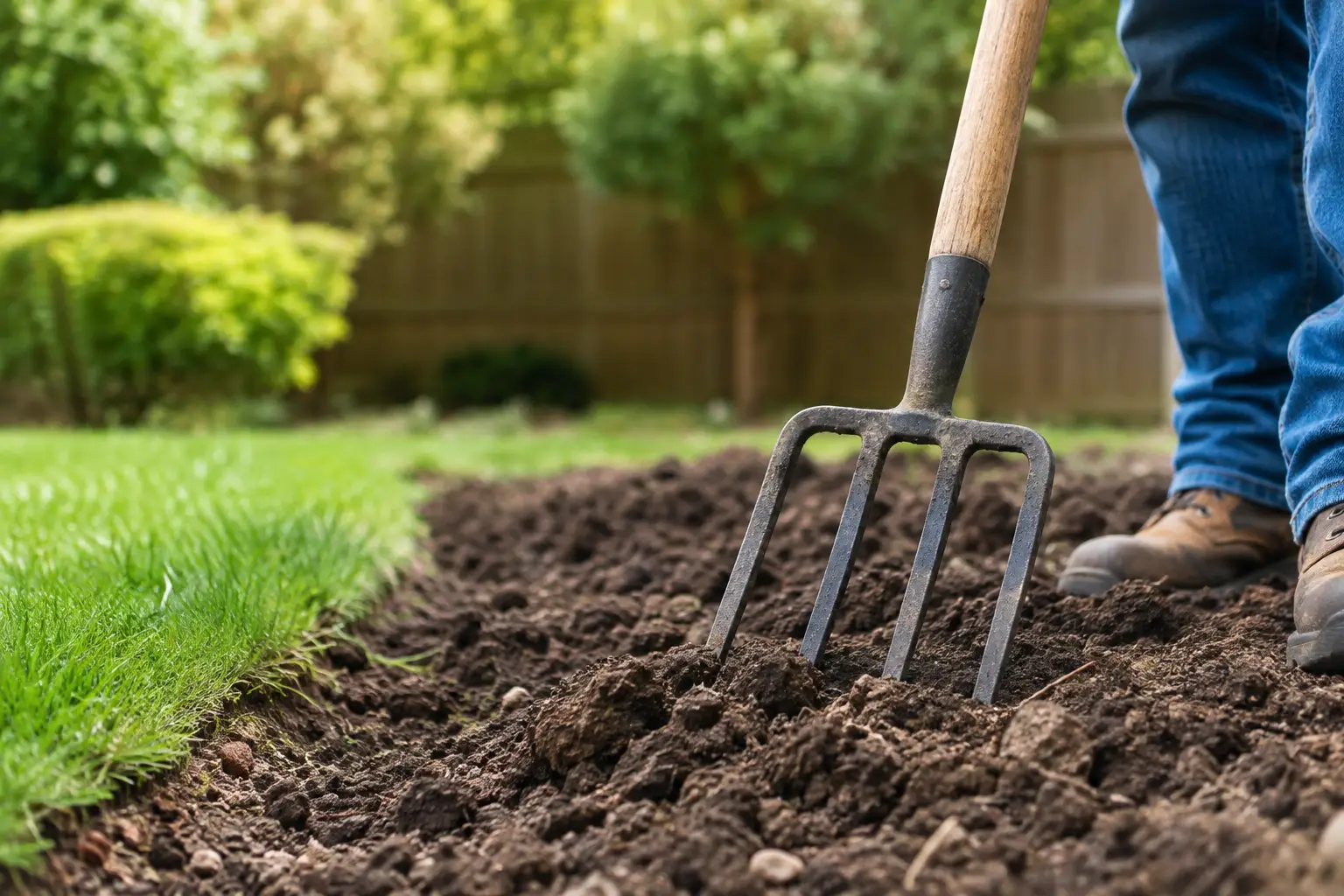
Begin by removing vegetation, organic material, and soft topsoil from the planned driveway area. Establish the width you need before adding material. Many residential driveways need extra room near the street or around parking pads, and it is easier to shape that area before stone is spread.
Next, create a slight crown in the center or a consistent slope toward a suitable drainage area. Water should move off the driveway rather than sit on it. This is especially important in Jefferson County, where heavy storms can expose every low spot in a hurry. Do not direct runoff toward a home, garage, neighbor’s property, or public street without considering the consequences.
For new construction or a driveway with weak soil, a geotextile fabric between the subgrade and stone can be worthwhile. It helps keep the aggregate from sinking into the soil while still allowing water to move through. Then install the base in manageable lifts and compact each layer with the appropriate equipment. A plate compactor may be enough for smaller repairs, while larger driveways often benefit from a roller or professional-grade compaction.
How Deep Should a Limestone Driveway Be?
Depth depends on the ground conditions and expected traffic, so there is no single number that works for every property. A light-duty driveway on firm, well-drained ground may need a modest compacted base and surface layer. A new driveway over soft clay, or one used by trucks and trailers, generally needs more excavation and a thicker base.
As a practical starting point, many driveways are built with several inches of compacted base material, followed by a finished layer chosen for traction and appearance. Existing driveways may only need spot repairs and a fresh top layer if the base remains solid. If the surface has widespread potholes, standing water, or deep tire tracks, adding more stone without correcting the base and drainage will not solve the underlying issue.
To estimate material, measure the driveway length and width, then decide on the planned depth. Converting that volume to cubic yards is the next step. It is wise to allow a little extra for compaction, uneven ground, and shaping edges. Ordering too little can leave a project unfinished, while a small overage is often useful for future touch-ups.
Delivery Planning Saves Work
Stone is heavy, and where it is dumped matters. Before scheduling delivery, make sure the driveway entrance is accessible and clear of vehicles, low branches, and other obstacles. Tell the supplier where you would like the material placed, whether that is at the front of the driveway, in several piles along its length, or in a designated staging area.
A dump truck cannot always travel across soft grass, tight gates, steep grades, or overhead utility lines. Clear placement instructions help the driver make the safest practical delivery, but the ground and access conditions still determine what is possible. If you are working on a narrow residential lot, discuss the site in advance rather than assuming the truck can reach the exact installation point.
Landscape Source Inc. serves Birmingham-area homeowners and contractors with bulk materials and delivery support, making it easier to get the right quantity of limestone where the project needs it. For larger jobs, having the material delivered in planned loads can also keep equipment and labor moving instead of waiting on repeated supply runs.
What Ongoing Maintenance Looks Like
A limestone driveway benefits from occasional attention, particularly after heavy rain or periods of frequent use. Rake or grade stone back toward the center when tire paths begin to form. Fill potholes early, before they become deeper and collect more water. Keep ditches, culverts, and drainage edges clear so water has somewhere to go.
Expect some stone to migrate beyond the edges over time. Edging, timbers, or a defined border can help contain the surface, though they are not required for every rural or informal driveway. If dust is a concern during dry weather, a tighter-compacting surface material may perform better than open, clean stone.
Limestone is a practical choice, not a one-size-fits-all answer. It may not be ideal for every steep site, drainage problem, or highly decorative project. But with a solid base, thoughtful drainage, and the right aggregate for the job, it can turn a muddy, uneven approach into a driveway that looks cared for and holds up to everyday use.

Leave a Reply