

A yard can have plenty of water, fertilizer, and sunlight and still struggle because the soil is packed too tightly for roots to move through it. If you need to fix compacted soil, the goal is not simply to loosen the surface for a weekend. It is to rebuild the air spaces, drainage, and organic matter that support a healthier lawn, garden bed, or tree canopy over time.
Compaction is common around Birmingham homes. Our clay-heavy soils can become dense after construction, repeated foot traffic, heavy equipment, hard rain, or years of mowing the same path. The right solution depends on where the problem is, how deeply the soil is compacted, and what you plan to grow there.
Signs Your Soil Is Compacted
Compacted soil often looks like a plant problem at first. Grass may thin out in busy areas, flower beds may dry unevenly, and shrubs can appear stressed even when they are watered regularly. After a rain, water may puddle on the surface instead of soaking in. During dry weather, the ground can feel hard enough that a shovel or hand trowel barely penetrates it.
Try the simple screwdriver test. Push a long screwdriver into moist soil in several areas of the yard. In healthy, reasonably loose soil, it should slide in several inches with moderate pressure. If it stops near the surface, especially in the same places where grass or plants are struggling, compaction is likely part of the issue.
Other warning signs include shallow roots, bare spots along walkways, runoff from garden beds, and soil that forms large hard clods. These symptoms can overlap with drainage issues, poor soil quality, or pest damage, so it helps to look at the entire site before choosing a fix.
Fix Compacted Soil by Area
The best way to fix compacted soil is different for a lawn than it is for a vegetable garden or a newly planted tree. Aggressively tilling every part of the property may seem like a quick answer, but it can damage existing roots, disrupt soil structure, and bring buried weed seeds to the surface.
Compacted lawns
For established lawns, core aeration is usually the most practical first step. A core aerator removes small plugs of soil, allowing water, oxygen, and nutrients to move deeper into the root zone. It is more effective than spike aeration, which can press the soil tighter around the holes.
Aerate when your grass is actively growing and the soil is slightly moist, not muddy. For many Birmingham warm-season lawns, late spring through summer is a productive time. Cool-season lawns typically respond best to aeration in early fall. If the yard receives heavy use from children, pets, vehicles, or regular foot traffic, annual aeration may be worthwhile.
After aerating, topdress lightly with screened topsoil or a quality compost-rich soil blend. A thin layer helps improve the soil gradually without smothering the grass. Rake it across the lawn so the material settles into the aeration holes and down around the turf roots. One heavy application can create a new problem, so several light improvements are better than burying the lawn under inches of soil.
Garden beds and vegetable areas
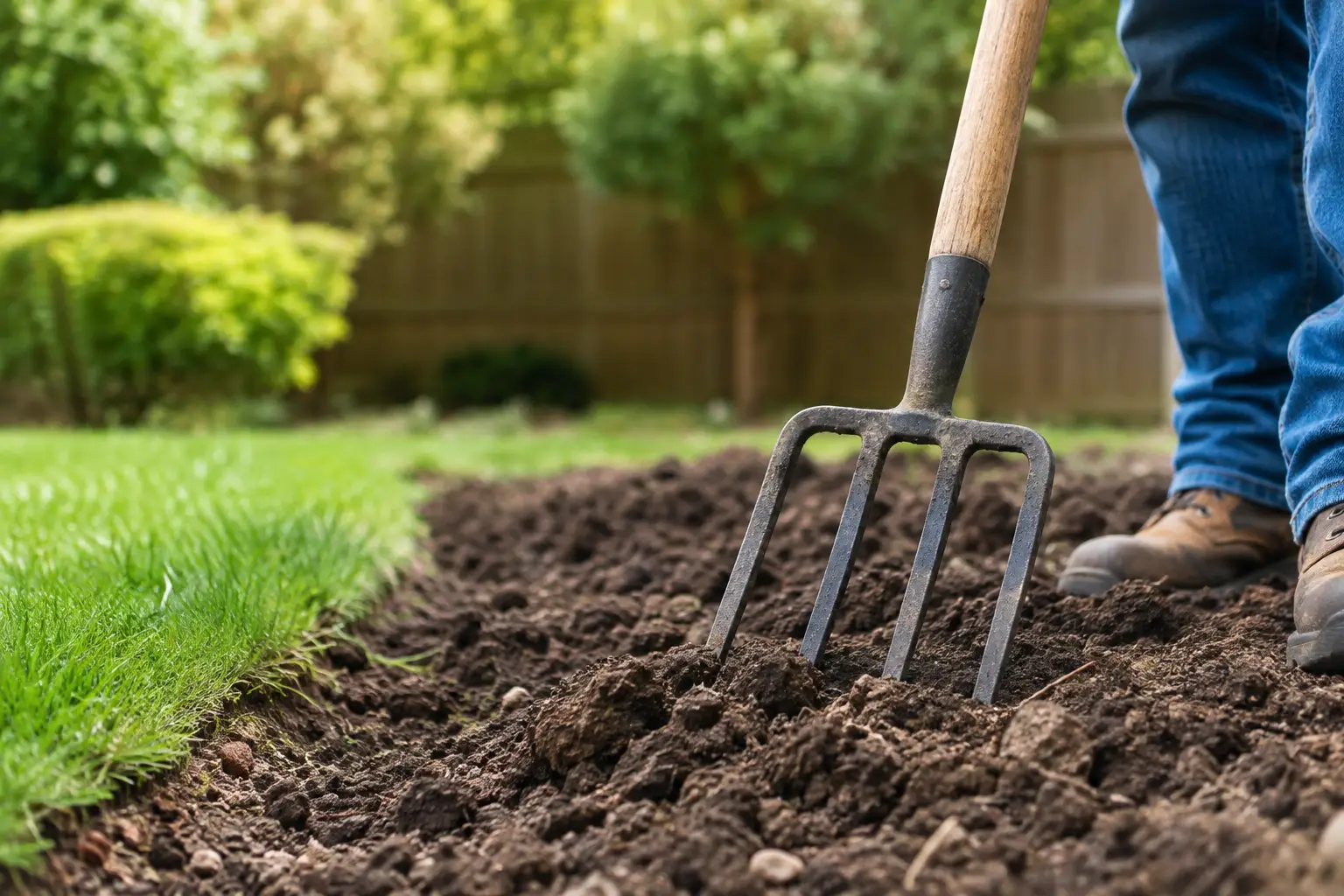
In empty or newly planned garden beds, you have more freedom to work the soil deeply. Start by removing weeds and any large rocks or construction debris. If the soil is extremely hard, use a garden fork or broadfork to loosen it before adding material. Lift and fracture the soil rather than turning it completely upside down whenever possible.
Then mix in organic matter such as compost and quality topsoil. Organic material improves the soil’s ability to hold moisture while also creating the pore spaces roots need. For a new bed, spreading several inches of good soil amendment over the surface and working it into the upper layer is usually more useful than adding a thin dusting that disappears after the first rain.
Avoid working wet clay soil. It may feel easier to dig, but tilling or walking on it while wet can create dense clumps that dry almost brick-hard. Wait until a handful of soil crumbles instead of smearing in your hand.
Around trees and shrubs
Trees need special care. Their feeder roots are often close to the surface and extend well beyond the drip line. Deep tilling around an established tree can cut roots and create lasting stress, particularly for mature shade trees.
Instead, spread a layer of compost or quality topsoil where appropriate, then cover the area with mulch. Keep mulch a few inches away from the trunk and avoid piling it into a mound. Over time, soil organisms and natural root activity help incorporate the organic material from the surface down. This is slower than mechanical cultivation, but it is a safer approach around valuable trees and established shrubs.
If soil is severely compacted near a large tree, especially after construction work, a qualified tree professional may be needed. That is one situation where a general lawn fix is not enough.
Choose Materials That Improve Structure
Not every soil product solves compaction. Fine sand alone is rarely a good amendment for Birmingham clay. In the wrong proportions, sand and clay can form a dense, concrete-like mixture. Sand can be useful for specific grading, drainage, or turf projects, but it needs to be selected and blended for the site rather than added as a universal remedy.
For most residential beds and lawn topdressing projects, screened topsoil and compost-rich organic material are more dependable choices. They add texture, support beneficial soil life, and make it easier for roots to establish. For a raised bed or a full garden renovation, starting with a quality soil blend gives you a better foundation than trying to force poor native soil to do all the work.
Mulch also plays a supporting role. It does not directly break up compaction below the surface, but a 2- to 3-inch layer helps protect the soil from pounding rain, extreme heat, and rapid moisture loss. As natural mulch breaks down, it contributes organic matter slowly. That makes it especially helpful in landscape beds and around trees.
Landscape Source Inc. can help Birmingham homeowners and crews choose bulk topsoil, mulch, and other materials based on the project size, with pickup or delivery that keeps the work moving.
Stop Compaction From Coming Back
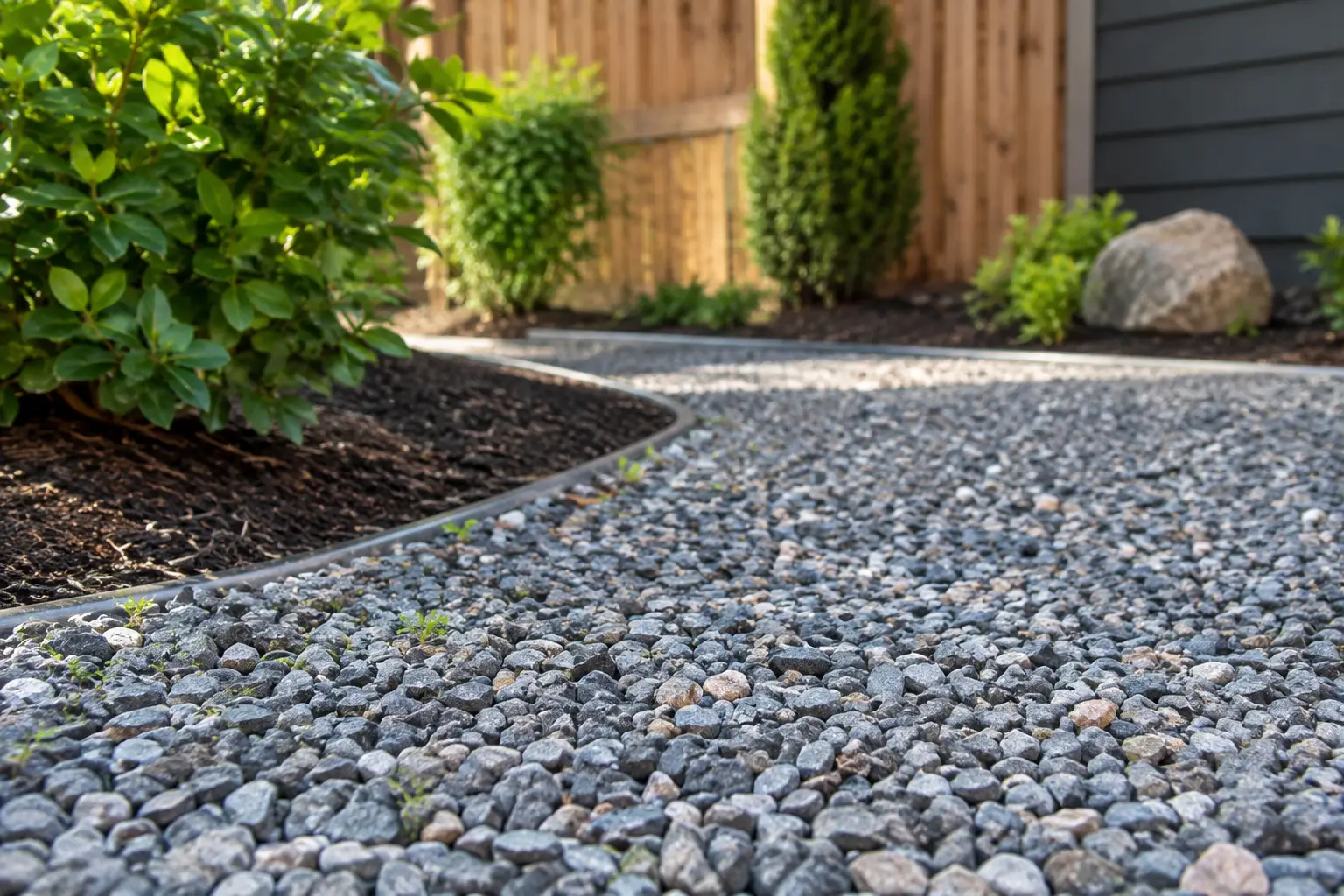
A good soil repair can be undone quickly if the same pressure continues in the same place. Keep vehicles and heavy equipment off lawn and bed areas whenever possible, especially after rain. Use defined walking paths in busy garden spaces. If a gate, hose connection, or outdoor seating area creates a repeated traffic route, consider gravel, stepping stones, or another durable surface rather than expecting turf to survive constant compaction.
Mowing practices matter, too. Avoid mowing when the lawn is saturated, and vary your mowing direction from week to week. Repeated passes along the same line can create compacted tracks over time. Leave grass clippings on the lawn when they are not excessive, since they return small amounts of organic material to the soil.
For new construction or major landscape work, plan ahead. Ask crews to limit equipment travel to designated routes, and wait to install final lawn areas until heavy work is finished. It is much easier to protect good soil than to repair a yard after trucks and machinery have crossed it repeatedly.
Give the Soil Time to Respond
Soil improvement is not an overnight project. Aeration can create an immediate opening in a compacted lawn, but stronger roots and better infiltration develop over weeks and seasons. Garden beds often improve faster because you can add more organic material and avoid traffic, while established tree areas require the slowest, most careful approach.
Watch how the area behaves after the next few rains. Water should soak in more evenly, plants should hold their color longer between watering, and digging should become easier. Keep adding organic matter, protect the repaired ground from unnecessary traffic, and let the soil do what healthy soil does best: support the landscape from the roots up.

Leave a Reply