

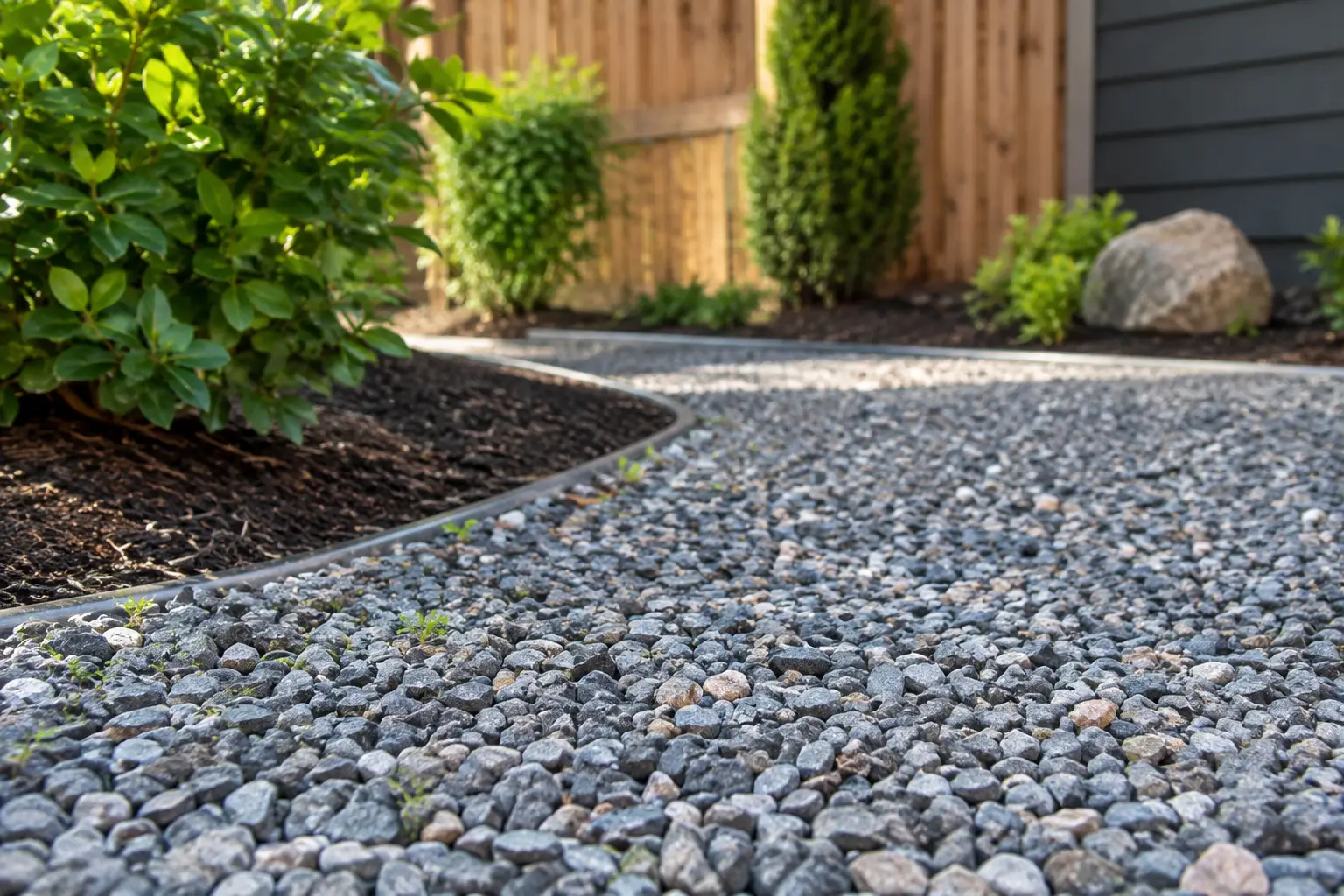
A fresh layer of decorative gravel can make a front bed, side yard, or garden path look finished in an afternoon. But after a few warm, rainy weeks in Birmingham, small green shoots can still show up between the stones. So, does gravel stop weeds? Not completely. Gravel greatly reduces weed growth when it is installed correctly, but it is a weed-control tool, not a permanent weed-proof seal.
The best results come from pairing the right stone with proper site preparation, enough depth, defined edges, and occasional upkeep. That approach gives homeowners a neat, low-maintenance landscape feature and gives crews a dependable finish that holds up better through Alabama weather.
How Gravel Helps Control Weeds
Gravel suppresses many weeds by limiting the sunlight that reaches the soil. A sufficiently deep layer also makes it harder for new shoots to push through and creates a dry, less welcoming surface for many weed seeds.
That does not mean every weed disappears. Some existing weeds may grow up from below if they were not removed first. Other weeds arrive later as windblown seeds, bird droppings, grass clippings, leaves, and dust collect on top of the gravel. Over time, that debris becomes a thin layer of organic material where seeds can sprout.
This distinction matters when choosing materials and planning the job. Gravel is excellent for reducing routine weeding in walkways, around hardscape areas, and in selected landscape beds. It is less effective when it is spread too thinly over active weeds or laid on a site that drains poorly and collects debris.
Start With a Clean Surface
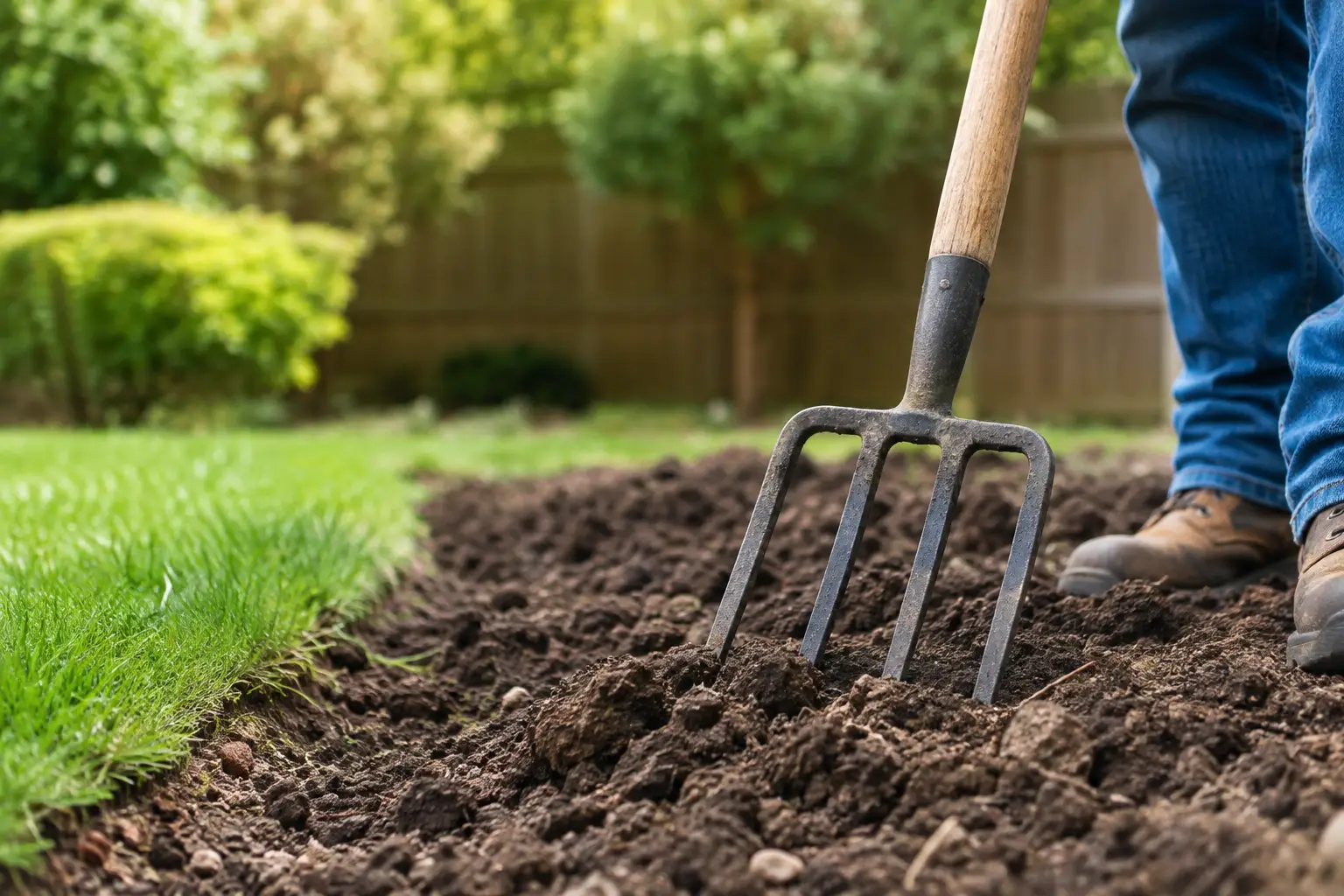
The work underneath the stone determines how well the finished area performs. Before adding gravel, remove existing weeds, grass, roots, and loose plant material. For an area with established weeds or turf, cut or pull the growth first, then treat any remaining vegetation according to the product label and allow adequate time for it to work.
Avoid placing gravel directly over tall weeds and expecting the stone to solve the problem. Some plants will find their way through gaps, and the decomposing vegetation below can leave an uneven surface. A clean, reasonably level base provides a much better starting point.
For paths and patio-adjacent areas, grading is also worth attention. Water should move away from structures rather than settling below the gravel. In the Birmingham area, heavy rain can expose weak spots quickly, wash fine soil into the stone, and create places for weeds to take hold.
Use Enough Gravel Depth
Depth is one of the most common reasons gravel beds underperform. A light scattering may look good on delivery day, but it leaves too much light reaching the soil and shifts easily under foot traffic.
For decorative landscape beds, a layer around 2 to 3 inches deep is often a practical target. Larger stone may need a little more depth to look full and provide consistent coverage. For a path, utility area, or other surface that receives regular foot traffic, 3 to 4 inches is usually a stronger choice, especially if the ground has been properly prepared.
The exact amount depends on the stone size, the condition of the site, and whether the gravel is intended mainly for appearance, drainage, or walking. Buying in bulk makes it easier to install a consistent layer across a large area rather than running short and thinning out the edges.
Should You Put Landscape Fabric Under Gravel?
Landscape fabric can help, but it is not automatically the right answer for every project. A quality permeable fabric separates the gravel from the soil below and can slow weeds that are trying to emerge from the ground. It is especially useful beneath gravel walkways, sitting areas, dry creek features, and low-planting zones where you want the stone to stay separate from the dirt.
Choose a durable, water-permeable landscape fabric rather than solid plastic. Plastic can trap water, interfere with drainage, and create problems in Alabama’s humid conditions. Secure fabric with enough pins so it stays in place while the stone is being installed.
Fabric has trade-offs in planted beds. It can make digging holes, moving perennials, adding new shrubs, and working around irrigation more difficult. Roots can also grow into or through the material over time. If a bed will be frequently replanted or heavily amended with compost, some homeowners prefer to skip fabric, use a proper gravel depth, and handle the occasional weed as part of normal maintenance.
A layer of fabric will not stop seeds from germinating on top of the gravel. It controls weeds coming from below, while surface weeds need to be pulled, sprayed carefully, or treated before they establish roots.
Choose Gravel That Fits the Area
Stone size and style affect both the look and the maintenance of your project. Smaller decorative gravel can create a refined finish around plant beds, but it may migrate more easily without edging. Larger river gravel or decorative stone makes a bold accent and is less likely to blow or wash away, although it can be harder to walk on.
For paths, angular crushed stone tends to lock together better than smooth, round gravel. Rounded river gravel is often better suited to decorative beds, drainage features, and areas where a natural look matters more than a firm walking surface.
Color is also a practical choice, not just a design preference. Light-colored stone can brighten a shaded area but may show leaves and red-clay soil more readily. Darker or mixed-color gravel can be more forgiving in high-traffic spaces. Seeing the material in person helps homeowners and contractors choose a stone that works with the house, planting plan, and expected maintenance level.
Edging Keeps the Weed Barrier Working
Edging will not kill weeds, but it helps gravel do its job. A defined edge keeps stone from spreading into grass, sidewalks, and driveways. It also limits the amount of soil and mulch that gets mixed into the gravel, which reduces the growing medium available to weed seeds.
Metal, brick, stone, concrete, and sturdy landscape edging can all work well when installed at the right height. The best option depends on the style of the home and whether the area borders lawn, a bed, or a hard surface. For a gravel path, firm edging is particularly useful because repeated foot traffic naturally pushes stone outward.
Pay attention to the transition between a lawn and a gravel bed. Grass runners can creep into the stone from the side even when the surface itself is clean. A crisp edge and periodic trimming make a noticeable difference.
Simple Maintenance Keeps Gravel Looking Fresh
Even a well-built gravel area benefits from a little care. Remove leaves, pine straw, and grass clippings before they break down into soil. A light rake can redistribute stone after storms or foot traffic, though use care around fabric so the tines do not snag it.
When a few weeds appear, handle them early. Hand-pulling is effective for isolated sprouts, particularly after rain when roots release more easily. For larger areas, use an appropriate weed-control product according to label directions and avoid overspray around desirable plants. A pre-emergent product may also be useful for some gravel areas, but it should be selected carefully based on the surrounding plants and the intended use of the space.
Plan to top off gravel as needed. Stone can settle, migrate, or become embedded in the soil over several seasons. Adding a fresh layer restores the depth that helps block light and brings back the clean, finished appearance.
A Better Result Starts With the Right Material
Gravel is a practical, attractive way to cut down on weeding, improve drainage, and give a landscape a polished edge. It works best when the material matches the project and the installation accounts for the ground below it. For homeowners building a first gravel bed or professionals keeping a job on schedule, Landscape Source can help identify a bulk stone option and quantity that fit the space.
A few weeds may still find their way into any outdoor surface, especially after a long Alabama growing season. Build the area well, keep debris from accumulating, and address new growth while it is small. Your gravel will stay cleaner, your maintenance will stay manageable, and the space will continue to look like it belongs there.

Leave a Reply