

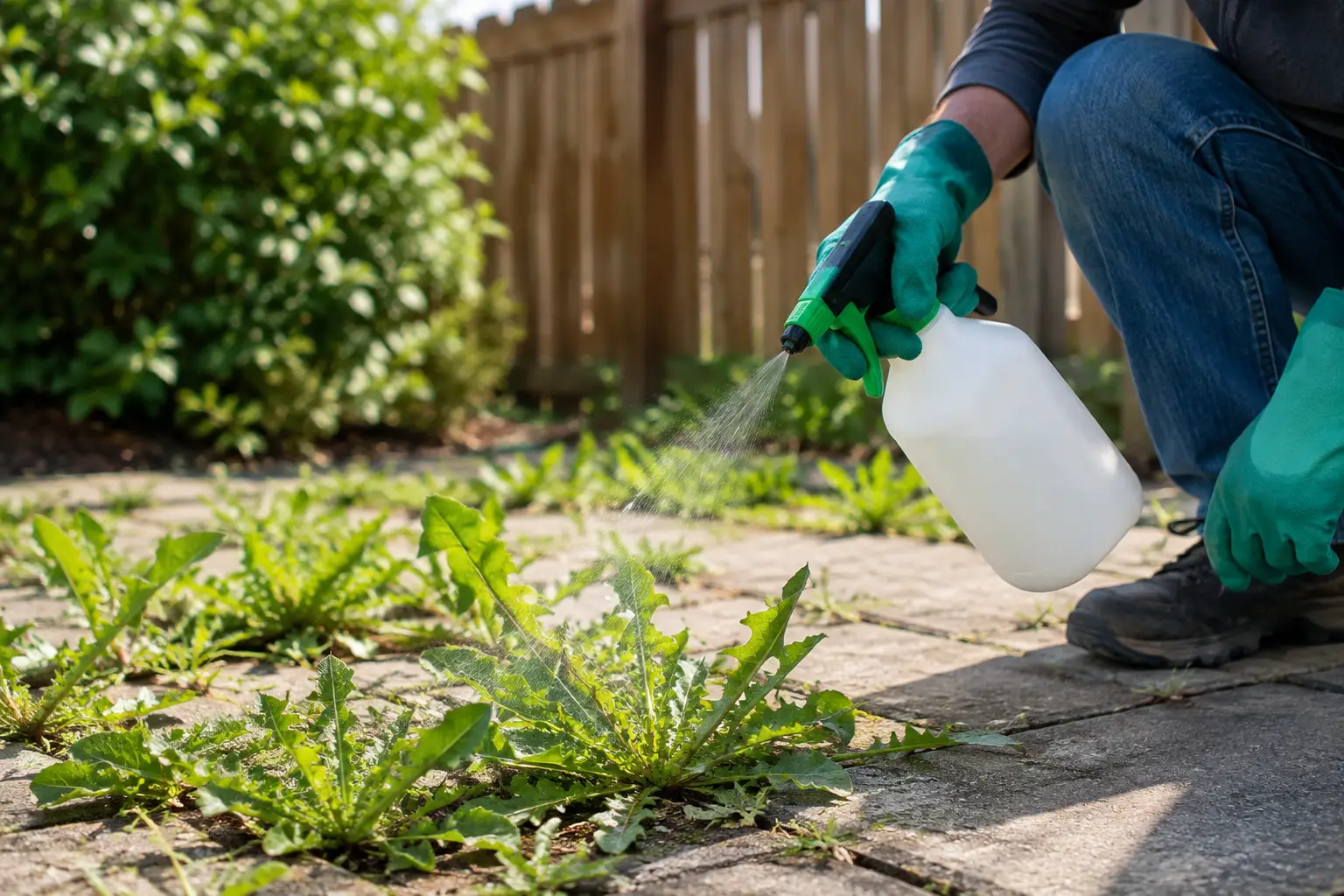
A weed killer that works beautifully on driveway cracks can be the wrong choice for a lawn edge, a flower bed, or a vegetable garden. That is why useful weed killer reviews look beyond a five-star rating. For Birmingham homeowners and landscape crews, the best choice starts with the weed you have, the plants you want to keep, and the weather conditions on the day you apply it.
A bottle that promises fast results may be exactly right for clearing unwanted growth along a fence line. It may also create an expensive problem if it drifts into newly planted shrubs or is applied where you plan to seed grass soon. Here is how to read reviews, compare product types, and choose a treatment with confidence.
What Weed Killer Reviews Should Tell You
The most helpful reviews explain where a product was used, not simply whether it “worked.” Look for details such as whether the reviewer treated crabgrass in a Bermuda lawn, broadleaf weeds in a fescue lawn, vines around a bed, or weeds growing through gravel. Those situations call for different products and different expectations.
Pay attention to the timing in each review. Many herbicides need actively growing weeds, warm enough temperatures, dry foliage, and time without rain to perform as intended. A review written after an application during a heavy summer rain pattern may say more about weather than product quality.
It also helps to separate fast burn-down from lasting control. Some contact products visibly dry out the top growth quickly, which can look impressive in a review. Perennial weeds with deep roots may return if the treatment does not move into the root system. On the other hand, a systemic product can take longer to show results while doing a better job on established weeds.
For local conditions, read reviews from people with similar turf and heat. Birmingham-area yards often include Bermuda, zoysia, centipede, or tall fescue, sometimes all within the same neighborhood. A product that is safe for one grass type may damage another, especially when temperatures climb.
Weed Killer Reviews by Product Type
Rather than searching for one all-purpose winner, compare products by the job they are designed to do. The label always has the final word on where and how a product can be used, but these categories make shopping much simpler.
Non-selective weed killers
Non-selective products kill or injure most green plants they contact. They are commonly used for weeds in driveway joints, gravel walkways, patio edges, fence lines, and areas being cleared before a new landscape project.
Reviews for these products should mention careful application. Overspray and wind drift are common reasons for disappointing results. If there is desirable grass, shrubs, or perennials nearby, a shielded spray, targeted application, or a different approach may be the safer call. Do not assume that a product is safe around trees simply because it is used outdoors.
Selective lawn weed killers
Selective herbicides target particular weeds while being labeled for use on certain turfgrasses. They are often the better choice for dandelions, clover, chickweed, plantain, and other broadleaf weeds in a lawn.
A good review will identify both the weed and the grass. This matters because lawn herbicides have turf restrictions, seasonal limits, and temperature guidance. Reviews that say a product “killed my grass” may reflect use on an unlisted grass type, an incorrect mixing rate, or application during stressful heat. Still, those experiences are worth reading because they remind buyers to check the label before spraying the full yard.
Grass and crabgrass controls
Grassy weeds are often harder to manage than broadleaf weeds because they can blend into the lawn. Crabgrass, goosegrass, and invasive grasses may require a product specifically labeled for that weed and your turf type.
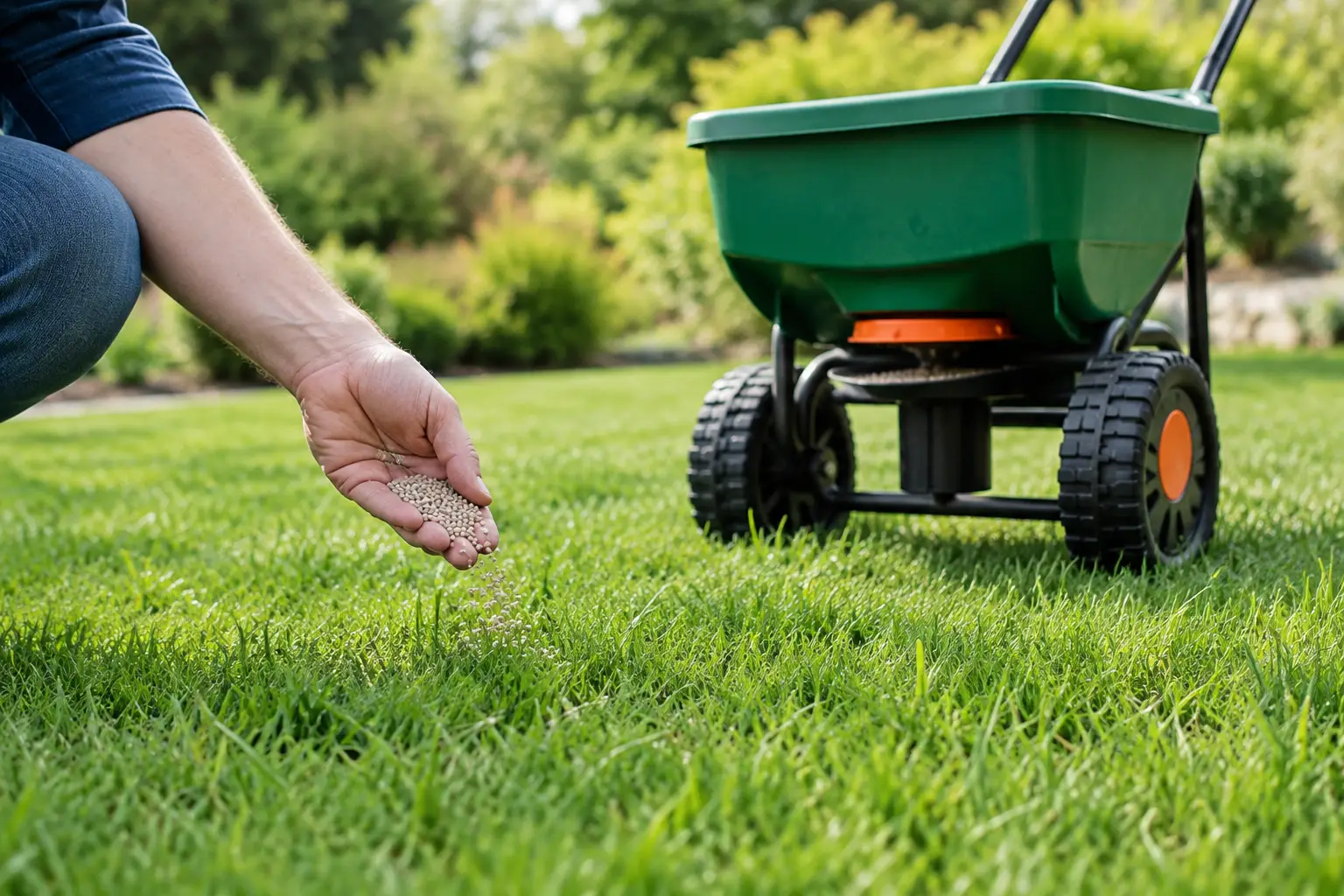
Reviews are particularly useful here when they mention weed size. Young crabgrass is generally easier to control than large, mature plants that have already spread seed. For recurring annual weeds, prevention may be more effective than trying to rescue the lawn in midsummer. A pre-emergent product helps stop listed weeds before they emerge, while a post-emergent treatment addresses weeds that are already visible.
Bed, brush, and vine treatments
Landscape beds, wooded edges, and overgrown property lines can require a different level of control. Products labeled for brush, woody plants, or difficult vines may provide better results than a basic lawn weed spray, but they need extra care around ornamentals and tree roots.
When reading reviews, look for follow-up reports a few weeks later. Tough vines and woody growth sometimes need a second treatment or a combined plan that includes cutting, pulling, and mulching. A quality mulch layer can also reduce light reaching new weed seeds, helping a cleaned-up bed stay cleaner longer.
Match the Product to the Weed First
Before buying, take a close look at the weed. Is it broad and flat-leaved, grass-like, vine-like, or woody? Is it growing alone in a driveway crack or scattered throughout turf? Does it return every season from the same root system?
If you are unsure, bring a clear photo to the yard or speak with a knowledgeable supplier before choosing a treatment. The wrong herbicide can waste time and money, while the right one can make a routine lawn task much more manageable.
For homeowners, it is often wise to treat a small test area first, particularly near valuable plantings. Professional crews may already know the product they need, but should still check the current label when working with a new turf variety, a newly installed landscape, or an unfamiliar site condition.
Read the Label Before the Rating
Online ratings can point you toward a product category, but the label determines what is allowed. It tells you where the product can be applied, which weeds it controls, how much to use, required protective equipment, rainfast timing, and reseeding or replanting restrictions.
This is especially important around edible gardens, ponds, drainage areas, children, and pets. Keep people and animals out of a treated area until the label says it is safe to reenter. Store lawn chemicals in their original containers, out of reach of children and away from food, feed, or open water.
Avoid treating on windy days, and do not spray when rain is expected within the product’s stated rain-free period. More product is not better. Overapplication can injure turf, waste material, and increase the chance of runoff or damage to nearby plants.
Timing Matters in Central Alabama
Weed control is easier when it follows the lawn calendar. Pre-emergent applications are generally timed before target annual weeds germinate, while post-emergent treatments work best when weeds are actively growing and not already stressed by drought, mowing, or extreme heat.
Spring is a common time to address broadleaf weeds and prepare for summer annuals. Summer may call for spot treatment, especially in lawns that are heat-stressed. Fall can be a productive season for managing cool-season weeds and improving lawn health before winter. Exact timing depends on the weed, the product label, and current weather.
A healthy lawn is also one of the best long-term weed-control tools. Proper mowing height, watering practices, soil improvement, and appropriate fertilizer help turf fill in and compete with weeds. In landscape beds, clean edging and a refreshed mulch layer reduce the open soil where weed seeds can take hold.
A Better Way to Choose Your Treatment
When comparing options, start with the location and weed, then narrow the choice by selectivity, timing, and safety requirements. Read a mix of recent reviews, especially those with photos and specific details about turf type or application area. Give more weight to reviewers who followed the label and explain what happened after several days or weeks.
At Landscape Source Inc., customers can get practical help selecting lawn chemicals and herbicides for the work in front of them, whether that means tidying up a gravel drive or protecting a well-kept lawn. Bring your questions, a weed photo, or the name of your grass, and make the next application a planned step toward a cleaner, healthier outdoor space.


Leave a Reply