

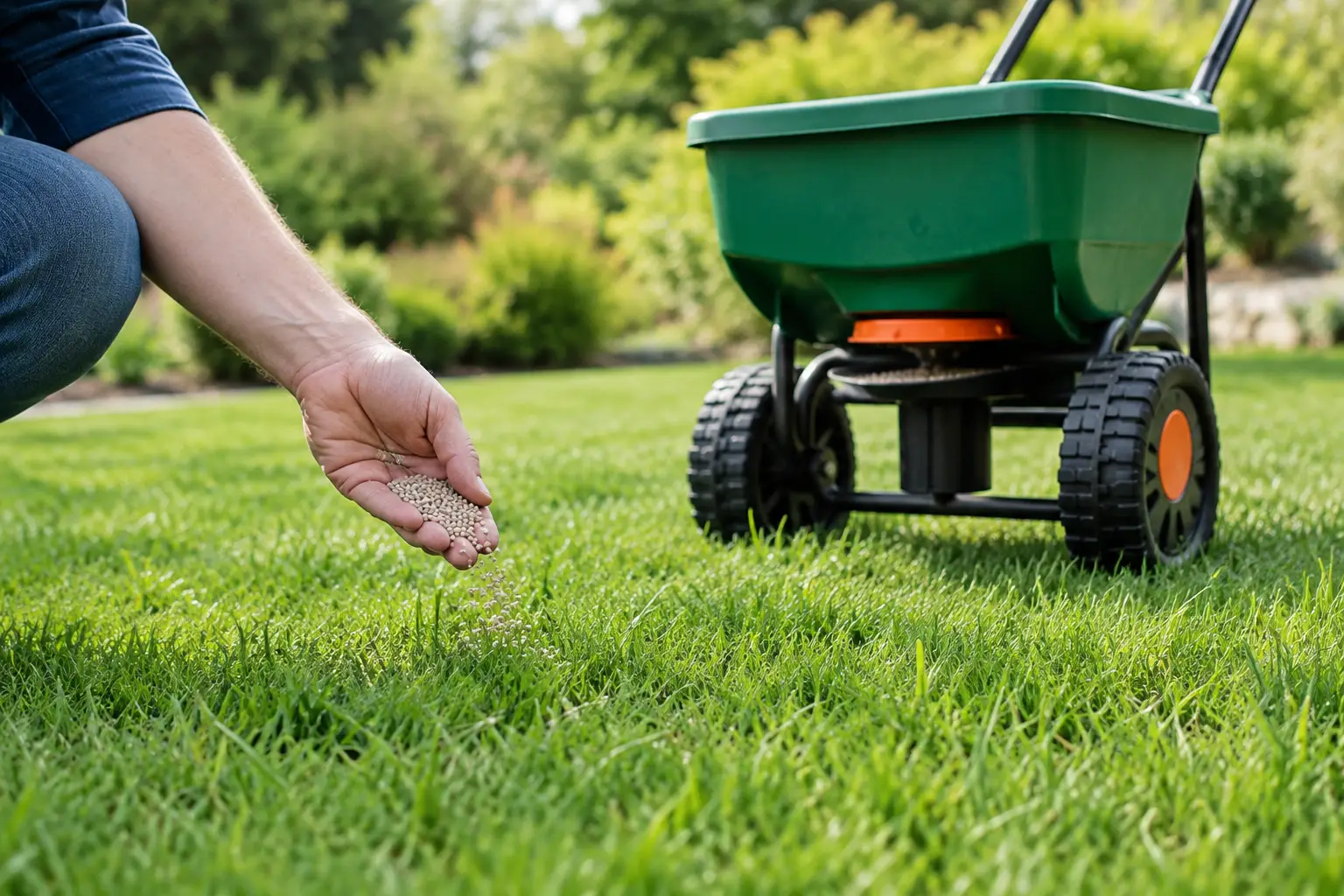
A preemergent timing question usually comes up after last year’s crabgrass, henbit, or other lawn weeds have already made mowing harder than it should be. The best answer is not a single date on the calendar. In Birmingham-area lawns, preemergent works best when it is applied before target weed seeds germinate, with soil temperature, rainfall, grass type, and planned seeding all considered.
Preemergent herbicides can make a noticeable difference in the amount of weeding, spraying, and hand-pulling a property needs later. But they are preventive products, not cleanup products. A properly timed application creates a barrier near the soil surface that stops many weed seedlings as they try to emerge. If the weeds are already actively growing, a preemergent application will not remove them.
The Short Answer to the Preemergent Timing Question
For spring and summer weeds such as crabgrass, homeowners and landscape crews in central Alabama generally need to apply preemergent in late winter to early spring. Many years, that means late February through March. Warm spells can arrive early, though, so soil conditions matter more than waiting for a specific holiday or mowing date.
A useful rule is to watch for soil temperatures approaching 55 degrees and staying there for several days. Crabgrass and other summer annual weeds begin germinating as the soil warms. Applying before that window gives the product time to settle into place and provide coverage where weed seeds are waiting.
For winter annual weeds, including henbit, chickweed, and annual bluegrass, the preventive application is usually made in early fall. September and October are often the key months around Birmingham, but a hot, dry fall or an unusually cool one can move the ideal window. The goal remains the same: get the product down before the main germination period begins.
Why Calendar Dates Can Lead You Wrong
A calendar is helpful for planning, but it cannot account for every yard. A sunny, south-facing lawn beside a driveway warms faster than a shaded backyard. Bare areas, thin turf, newly graded soil, and mulched landscape beds can also respond differently from established grass.
Rainfall adds another variable. Most granular preemergents need watering in after application to activate the barrier in the soil. A timely rainfall can do the job, or you may need to irrigate according to the product label. Heavy rain immediately after spreading can cause runoff on slopes or wash material away from the places where it is needed. If a storm is expected, consider whether it will be a steady soaking rain or a hard downpour.
The product label should always guide the final decision. Different active ingredients have different application rates, retreatment intervals, turfgrass restrictions, and maximum annual amounts. Using extra product does not provide extra peace of mind. It can damage desirable turf or exceed label limits.
Spring timing for crabgrass prevention
Crabgrass is one of the most common reasons customers ask about preemergent. It thrives in thin lawns, compacted soil, bare spots, and areas that receive a lot of summer sun. Once it has taken hold, it can spread quickly and leave an unsightly mess when it dies back.
For crabgrass prevention, do not wait until you see crabgrass. By then, the main prevention window has passed. Plan to apply when the ground begins warming in late winter or very early spring. In a mild Birmingham winter, an earlier application may be a smarter choice than waiting until April.
Many professionals use a split-application approach. Instead of applying the full seasonal amount all at once, they apply part early in the season and the remainder later, as allowed by the label. This can extend coverage during a long Alabama growing season. It is especially useful on high-traffic lawns, properties with a history of crabgrass, and commercial sites where consistent appearance matters.
Fall timing for cool-season weeds
A clean spring lawn often starts with a good fall plan. Henbit, annual bluegrass, chickweed, and other cool-season weeds can begin growing while warm-season turf is slowing down. By the time they become obvious in January or February, prevention is no longer an option.
Apply a fall preemergent before these weeds germinate, typically as late-summer heat begins to ease. Properties with fescue lawns need extra attention because fescue is often seeded in fall. A standard preemergent can interfere with grass seed germination, so do not apply it where you intend to seed unless the product specifically says it is safe for that use.
Do Not Apply Preemergent Before Every Lawn Project
The biggest trade-off with preemergent is its effect on new grass. The same barrier that prevents weed seeds from sprouting may prevent desirable grass seed from getting established. If you plan to overseed fescue, repair bare spots, establish a new lawn, or install sod, work backward from that project before choosing a weed-control product.
For a fescue overseeding project, avoid routine preemergent products during the seed establishment period unless you have selected a product labeled for use at seeding. For bermudagrass or zoysia lawns, spring preemergent may still fit well, but newly sodded areas and weak turf should be handled carefully. Give new grass time to root and follow both the sod supplier’s guidance and the herbicide label.
Landscape beds require a separate plan. Preemergent can be a useful way to reduce weeds around shrubs, ornamental grasses, and trees, but it should be applied only to plants listed as safe on the label. Keep granules and sprays off foliage, avoid applying around newly planted annual flowers unless approved, and remember that mulch is still part of weed prevention. A properly maintained mulch layer blocks light, moderates soil temperature, and makes any weeds that do emerge easier to pull.
How to Get a Better Result From the Product You Choose
Good timing is only half the job. Coverage matters. Apply granular products evenly, using a properly calibrated spreader and overlapping slightly without dumping extra material at turns. For liquid applications, use accurate measuring, steady walking speed, and enough water volume to cover the target area evenly.
Before applying, mow and clear heavy leaf cover so product can reach the soil. Afterward, water it in if the label calls for it. Avoid disturbing the treated soil with aggressive raking, cultivation, or digging, especially in landscape beds. Breaking the barrier can create openings where weeds can emerge.
It also helps to set realistic expectations. Preemergent does not control every weed species, and it does not repair the conditions that invite weeds in the first place. Thick, healthy turf is one of the best weed-control tools available. Proper mowing height, appropriate fertilization, drainage improvements, and correcting compacted soil can reduce pressure over time.
If a few weeds appear despite an application, identify them before reaching for another product. They may have been growing before treatment, they may be a species not covered by the product, or the application may have been uneven. A targeted postemergent treatment or hand removal may be the better answer than repeating a preemergent too soon.
Choosing Help When the Timing Is Tight
For homeowners, the easiest path is often to buy the right product early rather than searching after the first weeds appear. For landscape professionals, keeping a dependable supply of lawn chemicals on hand helps prevent delays during the busiest part of the season. Product selection should match the grass type, the weeds you are trying to prevent, and whether the property will be seeded or renovated.
Landscape Source Inc. can help Birmingham-area customers sort through those practical details and choose lawn-care products that fit the job. Bring the grass type, approximate square footage, and any plans for seeding or sod so the conversation starts with the right information.
A timely preemergent application will not make a lawn maintenance-free, but it can make the rest of the season far more manageable. Watch the weather, read the label, protect planned seeding projects, and apply before weeds give you a reason to ask what went wrong.


Leave a Reply