

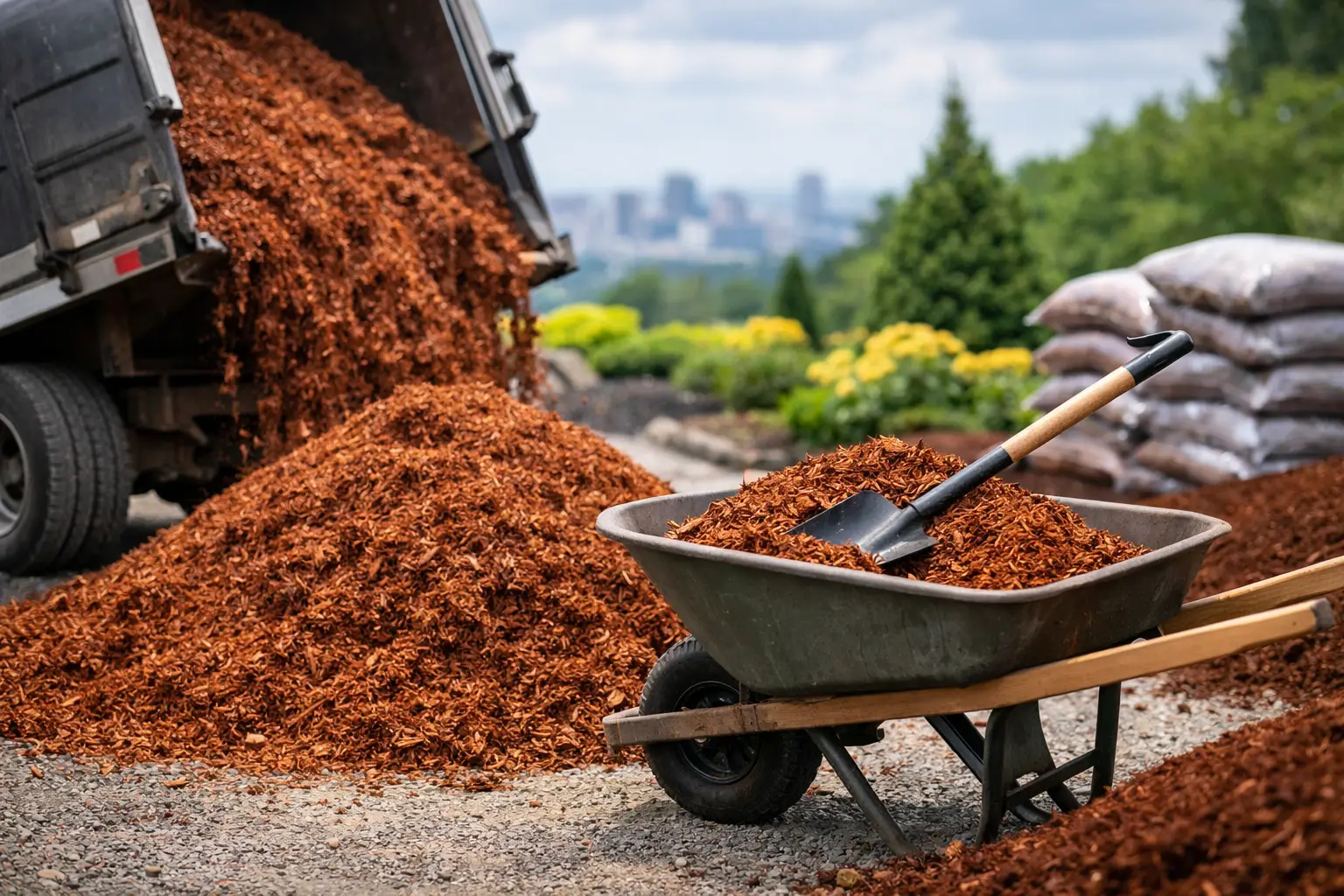
A fresh layer of mulch can make a Birmingham landscape look finished in a single afternoon. It sharpens bed lines, sets off plant color, helps soil hold moisture, and gives new or established plantings a more cared-for appearance. With mulch delivery Birmingham AL homeowners and landscape crews can get the volume they need without making repeated trips for bagged material.
The key is ordering the right amount, choosing a material that suits the project, and preparing the property so delivery goes where it will be most useful. A little planning before the truck arrives saves time, protects your driveway and lawn, and keeps the job moving.
Start With the Right Amount of Bulk Mulch
Mulch is commonly sold by the cubic yard, which is far more practical than counting bags when you are covering several beds or refreshing a large property. One cubic yard covers about 108 square feet at a 3-inch depth. At a 2-inch depth, that same yard covers roughly 162 square feet.
To estimate your order, measure each bed’s length and width in feet, then multiply them to find the square footage. Add the square footage of all beds together. Multiply that total by the desired mulch depth in inches, then divide by 324 to estimate cubic yards.
For example, a 300-square-foot bed at a 3-inch depth needs about 2.8 cubic yards. Ordering 3 yards gives you a sensible working amount for uneven ground, curved edges, and touch-ups. If you are only filling a few small areas, a smaller order or bagged product may make more sense. For most full bed refreshes, however, bulk mulch offers better value and a more consistent look.
A 2- to 3-inch layer is usually enough for established landscape beds. Going too thin may not provide the appearance or moisture benefits you want. Going too thick can hold too much moisture around plant crowns and make it harder for water and air to reach the soil. Keep mulch pulled back a few inches from tree trunks, shrub stems, and the base of perennials.
What to Expect From Mulch Delivery in Birmingham, AL
Delivery is designed to reduce the hauling, loading, and cleanup that can turn a straightforward landscape project into a long weekend. Instead of filling a pickup bed over and over, you can have bulk mulch brought to your home or jobsite in one scheduled delivery.
Before ordering, decide where the material should be placed. A driveway is often the best option because it provides a firm, accessible surface and keeps the pile close to wheelbarrow access. For a landscaping crew, placement near the work area can reduce labor and keep the schedule on track. Clear instructions matter, especially when a property has a narrow drive, a gate, a slope, parked vehicles, or overhead branches.
Be realistic about placement conditions. A delivery truck needs safe room to enter, turn, and unload. Soft lawns, steep grades, low-hanging limbs, and tight residential streets can limit where a load can go. If you have concerns about access, share them before scheduling. A quick conversation can help determine the safest and cleanest delivery location.
It also helps to move cars, trailers, basketball goals, and other obstacles before the truck arrives. Keep children and pets away from the unloading area. If someone else will be receiving the delivery, make sure they know the agreed placement location and can answer questions if needed.
Choose Mulch for the Job, Not Just the Color
Mulch should complement the property, but appearance is only part of the decision. Think about how the beds are used, how much sun they receive, and whether you are refreshing an established landscape or starting from bare soil. A natural-looking mulch can blend into wooded lots and traditional plantings, while a more uniform option can create a crisp, polished appearance around foundations, walkways, and commercial entries.
Texture matters, too. Finer material can spread easily and create a tidy finish in smaller ornamental beds. Larger pieces may hold their appearance longer in broad beds or areas exposed to rain and wind. In Birmingham’s warm, humid growing season, mulch is especially useful for reducing surface moisture loss and helping moderate soil temperature, but it is not a substitute for proper drainage or watering.
If you are not sure which product fits your project, ask for guidance based on the plants, square footage, and finished look you have in mind. Landscape Source can help homeowners and trade customers match bulk materials to the scale and purpose of the job.
Prepare Beds Before the Load Arrives
Mulch looks best when the work underneath it is done first. Pull weeds, remove fallen limbs and old debris, and redefine bed edges before spreading new material. If existing mulch has become heavily compacted or mixed with soil, rake it loose rather than automatically adding a thick new layer on top.
This is also the right time to check irrigation heads, landscape lighting wires, and plant health. Once the new mulch is down, these details are harder to see. If you are adding soil, planting shrubs, or installing stone borders, complete those steps first. Mulch should be one of the final materials applied so it can provide a clean finish around the completed work.
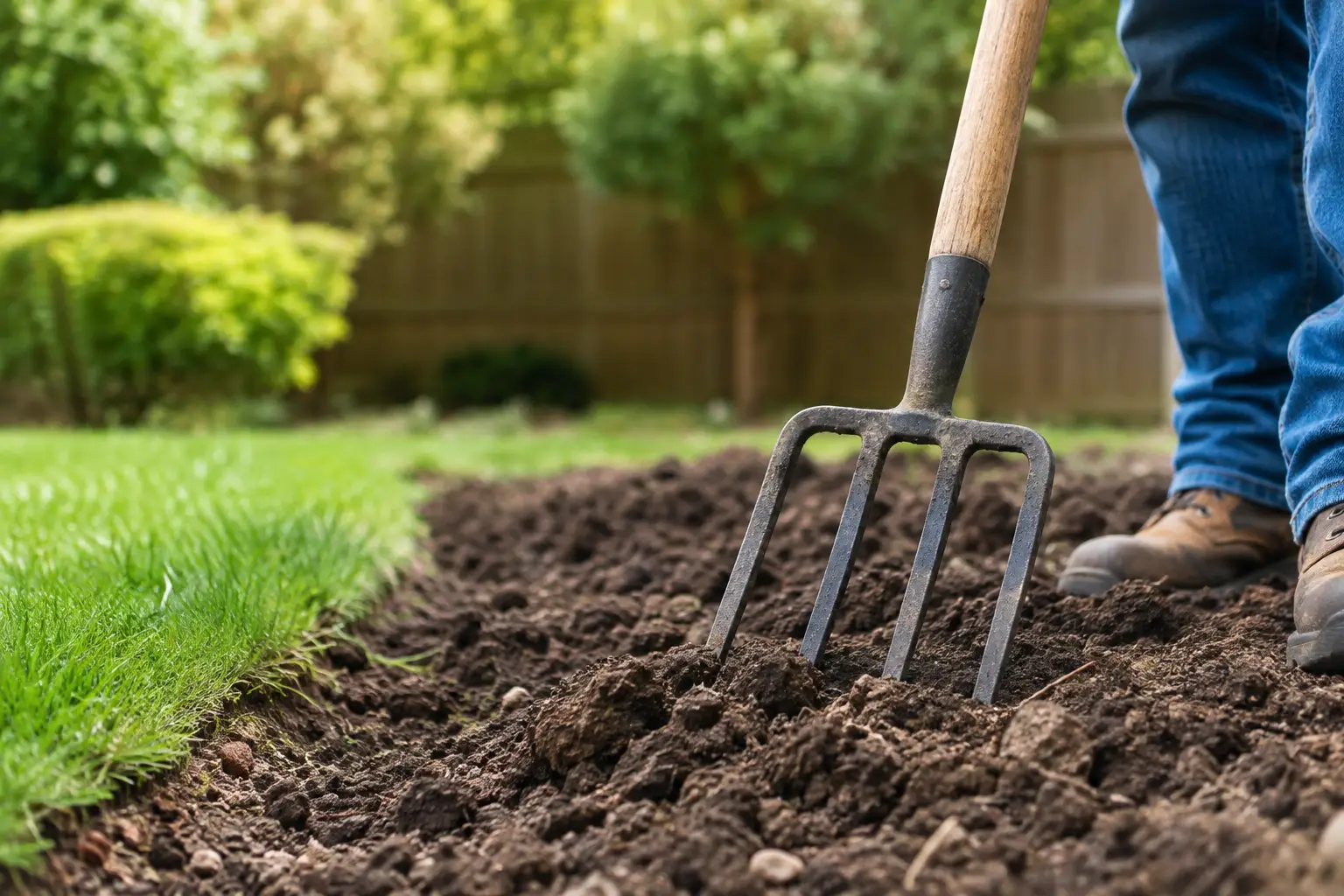
When the load arrives, use a wheelbarrow, pitchfork, scoop shovel, or mulch fork to move it from the pile. Spread mulch loosely, then level it with a rake. Avoid packing it down. Keep the surface slightly lower than surrounding lawn or hardscape edges so rain is less likely to wash material onto sidewalks and driveways.
Plan Delivery Around Your Project Schedule
For homeowners, delivery timing often comes down to weather, weekend availability, and how quickly the mulch can be spread after it arrives. A pile can sit for a short period, but it is easier to manage when the work is already planned and tools are ready. If rain is expected, choose a location that will not block daily access to the garage or create a muddy path through the yard.
For professional landscapers, dependable material delivery can keep crews productive and reduce downtime between job phases. Ordering enough mulch for the full scope of work may be more efficient than stopping midway, but site space and project sequencing should guide the decision. A large load is useful only if it can be placed safely and accessed without disrupting other trades or the homeowner.
Early communication is especially helpful during busy spring and fall landscaping periods. Share the delivery address, material quantity, preferred placement, access notes, and needed date as clearly as possible. Those details help avoid preventable delays and make the delivery experience easier for everyone involved.
Bulk Delivery or Pickup: Which Fits Better?
Pickup can be a good choice when you have a suitable truck or trailer, need a small amount quickly, or prefer to control the timing yourself. It also works well for contractors making regular material runs between nearby jobs. Just account for payload limits, proper covering, and the time required to load, transport, unload, and clean up.
Delivery is often the better fit for larger residential projects, properties without a hauling vehicle, and jobs where crew time is valuable. The right choice depends on your material volume, access, schedule, and available equipment. Either way, buying quality mulch by the yard helps you spend less time wrestling bags and more time improving the landscape.
A well-placed load of mulch gives you a practical starting point for a cleaner, healthier-looking property. Measure carefully, prepare the beds, and make placement instructions clear, then let the finished landscape do the talking.

Leave a Reply