

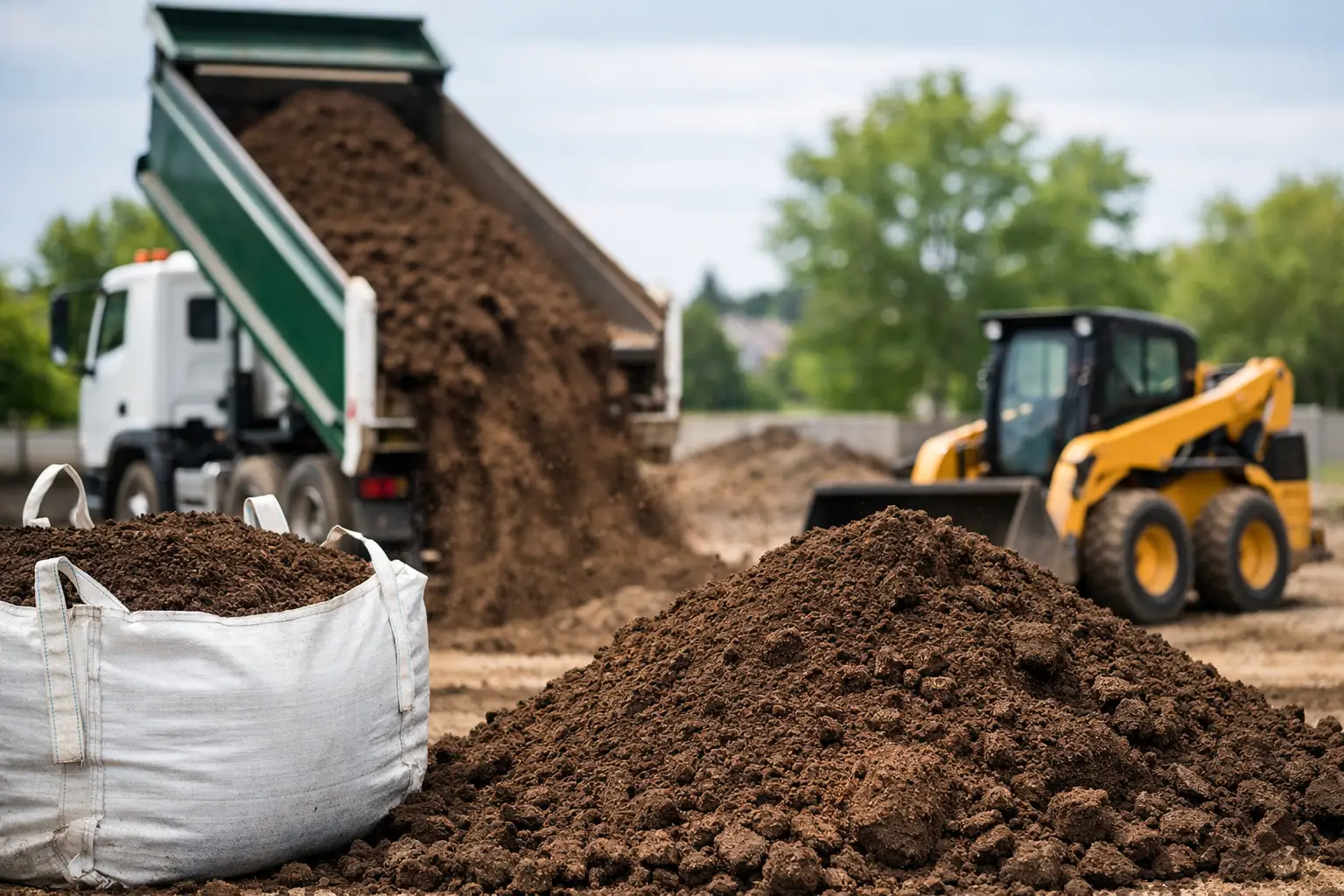
A few yards of good soil can change the direction of an entire project. It can turn a low spot into a usable lawn area, give new shrubs a better start, or provide the finish grade before sod goes down. With bulk topsoil delivery Birmingham customers can plan around, the key is ordering the right amount, choosing the right material for the job, and preparing the property before the truck arrives.
For homeowners, bulk soil eliminates the time, cost, and clutter of hauling dozens of small bags. For landscape crews, it keeps a job moving without tying up trucks and labor. The right delivery plan matters just as much as the soil itself.
When Bulk Topsoil Is the Right Choice
Topsoil is a practical material for building up grade, filling shallow holes, refreshing planting areas, and preparing a base layer for lawns. It is especially useful when the existing ground is thin, compacted, rocky, or uneven. A quality topsoil layer gives roots a more workable place to establish, while helping create a smoother, more finished appearance across the property.
Bulk delivery makes the most sense when the project calls for more than a few bags. A single cubic yard covers roughly 100 square feet at a 3-inch depth, or about 300 square feet at a 1-inch depth. That is a helpful starting point, but the final quantity depends on the shape of the area, how much settling you expect, and whether you are filling low places or covering an even surface.
For example, a new lawn may need a light layer across a broad area, while a sunken section near a driveway may require much more material in one concentrated spot. It is usually better to measure the space before ordering than to guess from a photo or a quick walk around the yard. Length times width times desired depth will give you the volume to discuss with a materials professional.
Bulk Topsoil Delivery Birmingham Projects Depend On
Delivery is often what turns a landscaping plan from a weekend of repeated loading and unloading into a manageable project. Rather than filling a pickup bed again and again, customers can have the material brought directly to the property in a quantity that matches the work ahead.
Before placing an order, consider where the truck can safely access and unload. Driveways, gates, overhead limbs, power lines, parked vehicles, soft ground, and tight turns can all affect placement. Let the delivery team know about access limits and where you would like the soil placed. Clear instructions help protect your property and make spreading more efficient once the material arrives.
A driveway is often the best drop location, but it is not always the only option. If a truck can safely reach a suitable area, a planned placement closer to the work zone can save considerable wheelbarrow time. The trade-off is that soil piles need a stable surface and adequate room for the truck to maneuver. A clean, accessible unloading area gives everyone the best result.
Landscape Source Inc. works with homeowners and contractors across the Birmingham area who need dependable bulk materials and clear delivery communication. Whether you are picking up at the yard or scheduling delivery, a quick conversation about the project can help match the material and quantity to the job.
Choose Soil for the Job, Not Just the Name
“Topsoil” can mean different things depending on how it is sourced and screened. That is why it helps to explain what you are building or planting before ordering. A lawn renovation, a raised bed, and a grading project do not always need the same soil approach.
For broad grading and lawn preparation, topsoil is commonly used to create a workable, level surface before seed or sod. If you are planting vegetables, annual flowers, or shrubs, you may also want to consider adding compost or other amendments appropriate for the plants. Topsoil provides the foundation, while organic matter and nutrients can improve the growing environment where needed.
It is also worth keeping expectations realistic. Soil is not a replacement for correcting drainage problems. If water routinely runs toward the foundation, stands for days, or washes through a slope, adding topsoil alone may not solve the issue. Proper grading, drainage planning, and erosion control should come first. Once water is moving where it should, fresh soil can help restore the surface and support planting.
Prepare Before the Delivery Truck Arrives
A little preparation saves time, protects the work area, and lets you begin spreading as soon as the material is down. Remove vehicles from the unloading route and mark anything that may be difficult for a driver to see, such as irrigation heads, landscape lighting, low borders, or decorative edging.
If the soil will go on a lawn area, mow tall grass and remove large debris first. For planting beds, pull weeds and clear old plant material where possible. In areas with heavy compaction, loosening the existing surface before adding topsoil helps prevent a sharp boundary between old ground and new material. This is especially helpful when preparing for seed, sod, or extensive planting.
Keep tarps in mind, but use them thoughtfully. A tarp may help protect a surface or make cleanup easier, yet a large soil load can shift, tear, or pull the tarp out of place. Ask about the delivery setup if you are concerned about a particular surface. The goal is to choose a location that is safe for the truck and convenient for your project, not simply the closest open space.
Spread, Grade, and Plant With a Plan
Once delivered, work from the edges of the pile outward so you do not keep crossing newly leveled areas. A wheelbarrow, shovel, landscape rake, and flat grading tool are enough for many residential projects. For larger areas, a compact loader or professional crew may be the more efficient choice.
Spread soil in manageable lifts rather than placing all of it in one deep layer where only a thin finish is needed. Rake across the surface in several directions to find high and low spots, then use a straight board, rake, or level to refine the grade. Around foundations, keep soil below siding and slope the finished surface away from the home.
After grading, lightly water the area if conditions are dry and allow the soil to settle before making final adjustments. Avoid working it when it is saturated, since wet soil compacts easily and can become difficult to level. If you are installing sod, the finish grade should be slightly below nearby hard surfaces to allow for sod thickness. If you are seeding, create a smooth surface with good seed-to-soil contact and follow a consistent watering plan.
Avoid the Most Common Ordering Mistakes
The most common issue is ordering based on the size of the pile you imagine rather than the coverage the project requires. A cubic yard is a volume measurement, and soil spreads quickly across a wide area. Measuring first is the best way to avoid being short halfway through a job or left with a pile that has no purpose.
Another mistake is scheduling delivery before deciding where the material will go. If the truck arrives and access is blocked, wet, or too tight, placement options become limited. Confirm the route, move vehicles, and let the delivery team know about gates, slopes, or special instructions ahead of time.
Finally, do not cover existing problems with fresh soil. Buried debris, severe compaction, poor drainage, and aggressive weeds can all return through a new top layer. Address what is underneath when the project calls for it, then use bulk topsoil to create the clean, workable finish your landscape needs.
A well-planned soil delivery gives you more than a pile of material. It gives you a practical starting point for a healthier lawn, stronger planting beds, and an outdoor space that is ready for the next stage of the work.

Leave a Reply