

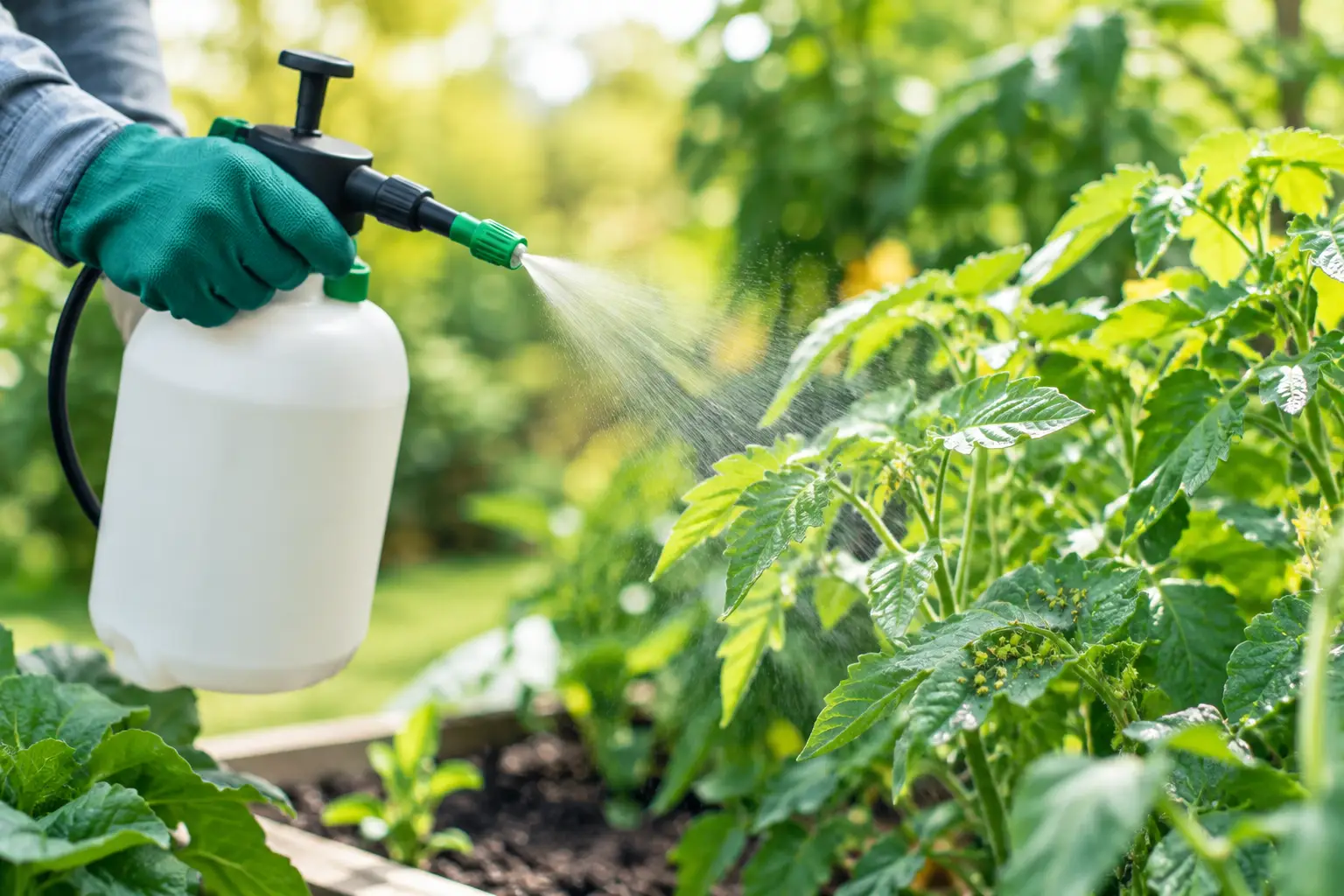
A row of chewed pepper leaves, a rose bush covered in aphids, or brown patches spreading through a lawn can make any Birmingham gardener want a fast fix. Garden pesticides can be useful tools, but the best result starts before anything is sprayed or spread: identify what is causing the damage, choose a product made for that problem, and apply only what the label calls for.
For homeowners, that means healthier beds without wasting money on the wrong treatment. For landscape professionals, it means consistent results, fewer callbacks, and a property that looks cared for. The goal is not to treat every insect in sight. It is to protect the plants, lawn, and outdoor spaces your customers or family enjoy.
Start With the Pest, Not the Product
A pesticide is a broad term. It may control insects, mites, diseases, weeds, rodents, or other unwanted pests. That is why a product that works well for one issue may do nothing for another. A fungicide will not solve a grub problem, and an insecticide will not correct poor drainage that is causing root rot.
Take a close look before you buy. Check the tops and undersides of leaves, inspect stems near the soil line, and look for signs such as webbing, sticky residue, holes, discoloration, or chewed edges. If you can, catch or photograph the insect. Timing matters too. Many insects are easiest to control when they are young, while certain lawn diseases become more active during warm, humid weather.
Not all plant damage is caused by pests. Drought stress, overwatering, compacted soil, nutrient problems, heat reflection from pavement, and herbicide drift can all resemble an insect or disease issue. Treating a non-pest problem with a pesticide adds expense without helping the plant recover.
If you are unsure, bring clear photos and details about the affected plant to a knowledgeable local supplier. Knowing whether you are dealing with chinch bugs, scale, caterpillars, fungus, or simple heat stress makes the purchase much more straightforward.
Choose Garden Pesticides for the Specific Job
Once you know the problem, read the product label from front to back. The label is not just a suggestion. It tells you where the product may be used, what pests it controls, how much to apply, how often it may be reapplied, and the safety steps required.
A few choices often come up when selecting a treatment. Ready-to-use sprays are convenient for a small number of plants or a quick spot treatment. Concentrates can be more economical for larger beds, but they must be measured and mixed accurately. Granular products can be useful for certain soil-dwelling pests or systemic treatments, while dusts may work in tight spaces but can drift easily if used carelessly.
Contact insecticides work when they reach the pest directly. They can provide quick knockdown but may require thorough coverage and repeat applications. Systemic products are absorbed by the plant and can provide longer-lasting control for some labeled pests. That convenience also makes label directions especially important, particularly around flowering plants, edible crops, and pollinators.
Organic or naturally derived products can be a good fit for some gardens, but “natural” does not automatically mean harmless to bees, beneficial insects, pets, or people. Neem-based products, insecticidal soaps, horticultural oils, and biological controls all have appropriate uses, limits, and application instructions. Use the option that fits the pest, the plant, and the site conditions rather than relying on a label claim alone.
Use the Least Treatment That Will Work
A good garden plan uses pesticides as one part of pest control, not the entire plan. Often, a few practical changes reduce the need for treatment in the first place. Remove badly infested leaves when possible, clear fallen fruit and diseased debris, water at the base of plants instead of wetting foliage, and give plants enough spacing for air movement.
Mulch also helps by moderating soil temperature, holding moisture, and reducing stress on established plants. Keep mulch a few inches away from tree trunks and plant stems so it does not hold excess moisture against them. Healthy plants are not immune to pests, but they are generally better able to tolerate minor damage and recover after treatment.
Beneficial insects deserve protection as well. Lady beetles, lacewings, spiders, and parasitic wasps help manage many common garden pests. Avoid broad-spectrum insecticides unless there is a clear need, and spot-treat affected plants instead of spraying an entire landscape. A small colony of aphids on one shrub does not always call for a yard-wide application.
Apply Safely in Birmingham Conditions
The difference between a helpful treatment and a disappointing one often comes down to application. Birmingham summers bring heat, humidity, sudden rain, and active pollinators, all of which affect how garden pesticides perform.
Apply only on a calm day. Wind can carry spray onto nearby vegetables, ornamentals, water features, cars, patios, and neighboring property. Avoid spraying when rain is expected before the product has time to dry or be absorbed. High heat can also stress plants and increase the chance of leaf burn, especially with oils and soaps. Early morning or late afternoon is often more practical, provided bees are not actively foraging on blooms and the label allows that timing.
Wear the protective equipment listed on the label. At minimum, that may include gloves, long sleeves, long pants, closed-toe shoes, and eye protection. Mix concentrates outdoors in a well-ventilated area, use only dedicated measuring tools, and never use more product than directed. More is not better. Overapplication can injure plants, leave residues, and increase runoff into storm drains.
Keep children and pets away from treated areas for the label-specified period. If you are treating an edible garden, pay close attention to the pre-harvest interval. This tells you how long to wait between application and picking vegetables, herbs, or fruit.
Protect Pollinators and Nearby Water
Flowering plants bring beauty to a landscape, but they also attract bees and other pollinators. Before applying an insecticide, inspect the plant for open blooms and active bee traffic. If treatment is necessary, choose the least harmful effective option, follow pollinator instructions on the label, and avoid applying directly to flowers.
Do not apply pesticides near ponds, drainage ditches, creeks, or storm drains unless the label specifically permits that use. Never rinse a sprayer where the wash water can flow into a gutter or waterway. After application, clean equipment according to label directions in an appropriate area, and store products in their original containers with labels intact.
Keep pesticides in a locked, dry location away from food, animal feed, seed, and heat sources. Do not pour leftover product into another container, and do not save mixed spray unless the label says it can be stored. When a product is empty or no longer usable, follow local disposal guidance and label instructions rather than putting it where it could leak or be misused.
Know When to Call for More Help
Some pest problems are larger than a single treatment. Repeated lawn damage, widespread tree decline, invasive weeds, or a disease moving quickly through a landscape may require a more complete plan. A licensed pest-control or landscape professional can help diagnose the issue, determine whether treatment is appropriate, and handle applications that call for specialized equipment or credentials.
For a homeowner refreshing one flower bed, a careful spot treatment may be enough. For a landscaping crew maintaining multiple properties, keeping the right products, calibrated equipment, and reliable material supply on hand can help jobs stay on schedule. Landscape Source supports both kinds of projects with friendly guidance and practical products for maintaining outdoor spaces across the Birmingham area.
The best garden is not one with zero insects. It is one where plants are strong, problems are caught early, and every treatment has a clear reason behind it. A little patience at the diagnosis stage can protect your landscape, your budget, and the people and pollinators who enjoy the space.
Leave a Reply