

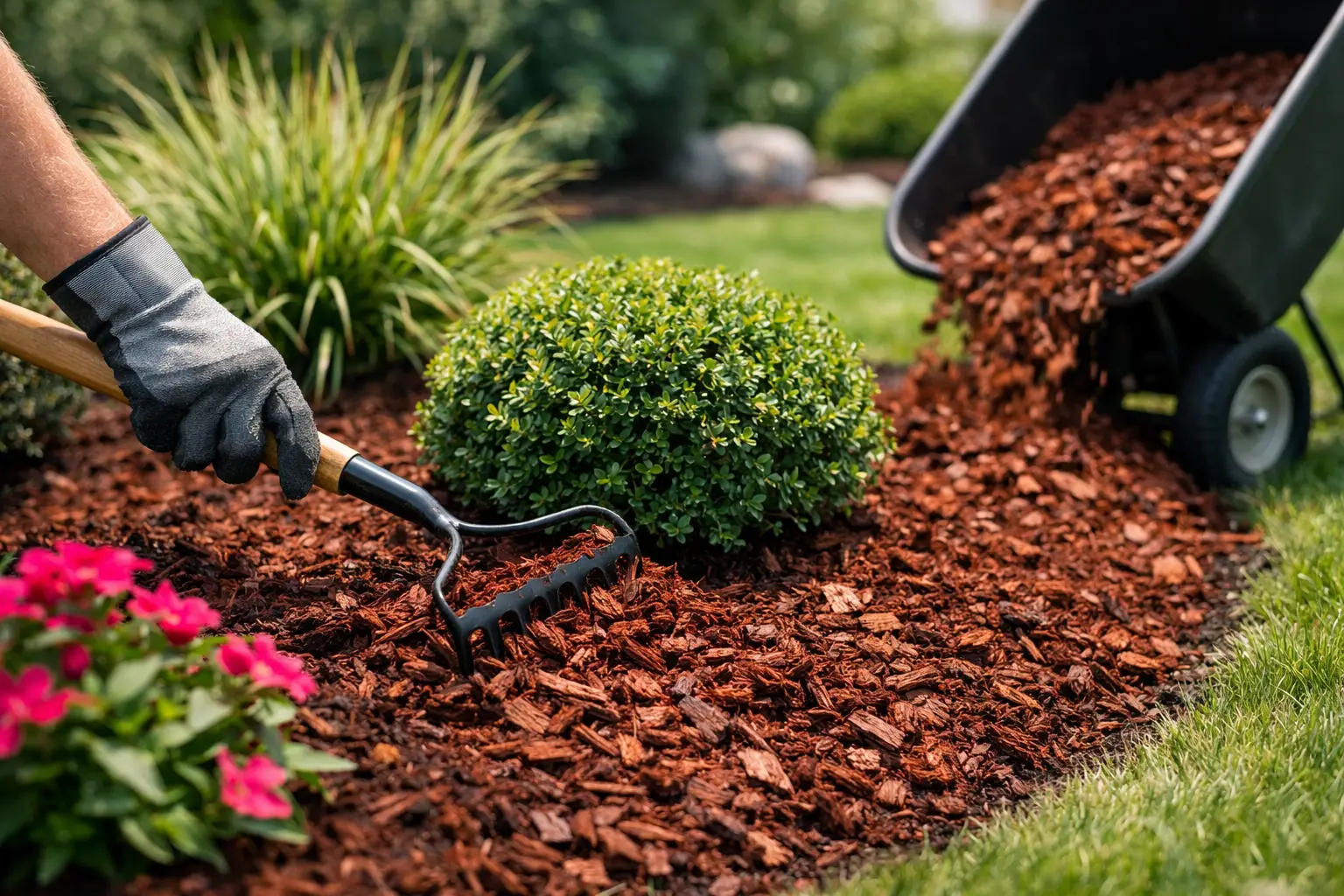
A fresh layer of mulch can make a Birmingham yard look cared for in a single afternoon, but good mulch installation does more than improve curb appeal. It helps soil hold moisture through Alabama heat, moderates soil temperature, limits weed growth, and gives planting beds a finished edge. The difference between a polished bed and a messy one usually comes down to preparation, depth, and choosing a material that fits the property.
For a small front bed, a few bags may be enough. For larger residential properties, apartment grounds, or contractor jobs, bulk mulch is often the better value and the faster way to get consistent coverage. A little planning before the truck arrives keeps the job moving and helps the finished landscape stay neat longer.
Start Mulch Installation With a Clean Bed
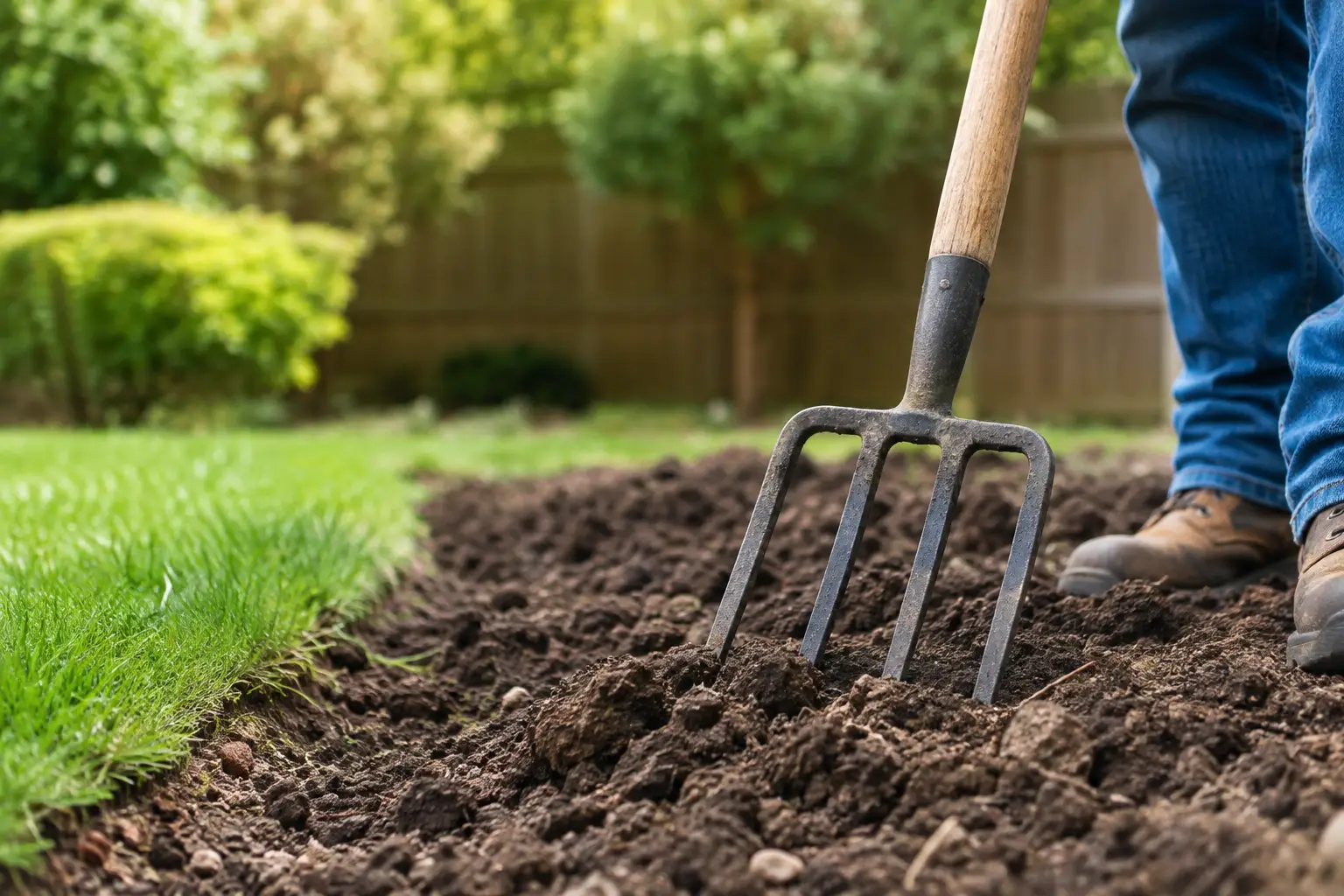
Mulch should be the finishing layer, not a cover for problems underneath. Begin by pulling established weeds, removing sticks and fallen leaves, and clearing out old debris. If the bed has a heavy layer of old, compacted mulch, rake it loose first. You do not always need to remove every bit of aged mulch, especially if it has broken down into dark, healthy organic matter. But thick, matted layers should be thinned so water and air can still reach the soil.
Take a moment to inspect the plants before spreading anything. Trim dead stems, edge the bed if needed, and make sure irrigation heads are visible and working. Mulch can hide a poor bed line or an overgrown shrub for a short time, but it will not fix either issue. A crisp edge makes the material look intentional and helps keep it from washing into grass, sidewalks, and driveways.
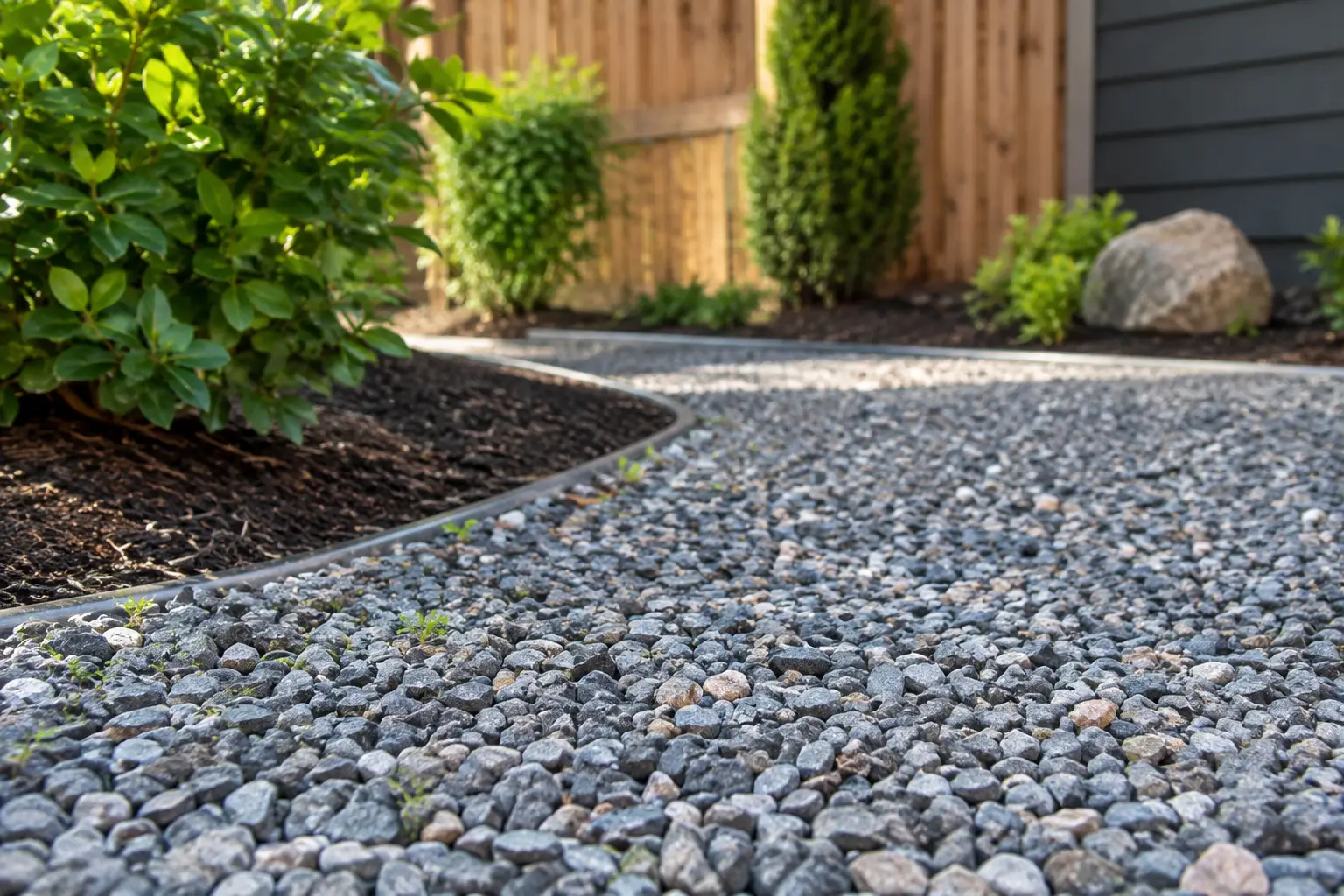
If weeds are a recurring challenge, remove them thoroughly before installing mulch. A pre-emergent product may help in suitable beds when used according to its label, but it is not a substitute for cleanup. Landscape fabric can also be useful in some decorative stone applications, though it is usually not the best choice beneath organic mulch in planted beds. As mulch breaks down, soil and organic matter collect on top of the fabric, and weeds can eventually grow there anyway.
Choose the Right Mulch for the Job
The best mulch depends on the appearance you want, the plants in the bed, and how often you plan to refresh it. Natural shredded hardwood mulch gives beds a traditional look and gradually adds organic matter as it decomposes. It works well around shrubs, perennials, and trees where soil health matters as much as appearance.
Dyed mulch provides more consistent color and can create a strong visual contrast around foundations, walkways, and commercial entrances. Brown and black are popular choices for a clean, defined look. Red mulch can be a good fit when it complements brick, stone, or the color palette of the home. Like any colored landscape material, it is worth considering the surrounding architecture before committing to a large quantity.
Pine bark and pine straw are also common choices in the Birmingham area. Pine straw has a softer, natural appearance and is especially popular in wooded settings and around acid-loving plants. It can shift more easily on slopes or in exposed areas, while shredded mulch tends to knit together better after it settles. There is no single correct material – the right choice is the one that performs well in the bed and suits the look of the property.
For landscape crews, consistency matters. Using the same mulch type and color across a job helps produce an even result, especially when a project is completed in phases. Ordering enough material at the start also helps avoid small color differences that can occur between batches.
How Deep Should Mulch Be?
For most established planting beds, aim for a finished mulch depth of about 2 to 3 inches. That is enough to provide useful weed suppression and moisture retention without burying the soil beneath an overly thick layer. Beds that already have a light layer of mulch may only need a 1- to 2-inch refresh.
More is not always better. A 4-inch or deeper layer can hold too much moisture near plant crowns, limit oxygen at the soil surface, and create a hiding place for pests. Thick mulch can also shed water rather than absorb it once it becomes dry and matted. Spread it evenly, then step back and check the bed from the street or driveway. High spots and low spots are easier to spot before the material settles.
Keep mulch several inches away from the base of shrubs, flowers, and tree trunks. Mulch piled against a trunk creates the familiar “mulch volcano” look, but it can trap moisture against the bark and encourage disease, decay, or unwanted roots. A shallow ring of clear space around each trunk is healthier and looks more professional.
Calculate How Much Mulch You Need
Buying too little mulch creates extra trips and uneven coverage. Buying far too much can leave a pile that needs a home. Measuring the bed before ordering is the simplest way to get close.
Start by finding the square footage of the area. For rectangular beds, multiply length by width. For curved or irregular beds, break the space into smaller sections or use average measurements to get a practical estimate. Then decide on the intended depth. One cubic yard of mulch generally covers about 100 square feet at a 3-inch depth, or about 150 square feet at a 2-inch depth.
For example, a 300-square-foot bed needs about 3 cubic yards at 3 inches deep. If that same bed already has a healthy base layer and only needs a 2-inch refresh, 2 cubic yards may be enough. It is smart to allow a little extra for uneven ground, settling, and touch-ups around bed edges.
Bulk ordering is particularly helpful when several beds need attention at once. It reduces the packaging waste and repeated loading involved with bagged mulch, and it lets homeowners and crews cover larger areas efficiently. Bagged material still has its place for very small beds, quick touch-ups, or projects where storage and access are limited.
Plan Delivery Before the Mulch Arrives
A delivery can save considerable time and heavy lifting, but it works best when the drop location is decided in advance. Choose a firm, accessible area near the work zone when possible. A driveway is often the easiest option, provided there is enough room for the delivery truck and the material will not block vehicles or access points.
Before scheduling, consider overhead branches, low utility lines, parked cars, gates, and soft ground. If mulch needs to be placed in a particular part of the driveway or near a specific gate, clear placement instructions help the driver put the load where it will be most useful. Keep in mind that bulk material is typically delivered as a pile, so plan for wheelbarrow access from the drop point to the beds.
If the driveway has a steep slope, tight turn, or delicate surface, discuss those conditions ahead of time. The safest placement option may be different from the closest one. Clear communication protects the property and helps delivery stay prompt.
Spread Mulch for a Finished, Professional Look
Move mulch in manageable wheelbarrow loads and place small piles throughout the bed before raking. This is easier on the body than dumping one large load in a single spot and trying to drag it across the entire landscape. Use a rake to distribute the material from the middle of the bed outward, then refine the edges with a hand rake.
Keep the layer level rather than mounded. A slight taper toward the bed edge can look neat, but the goal is consistent coverage that does not spill into turf or collect against the house. Take special care around groundcovers, small perennials, and newly planted annuals. Their crowns should remain visible above the mulch.
After installation, lightly water the bed if conditions are dry. This helps settle loose shredded mulch and gives the entire area a finished appearance. Check the beds after a heavy rain, particularly on slopes, and rake any material that has shifted back into place.
Keep Beds Looking Fresh Through the Season
Mulch does not need constant attention, but a few quick checks make a noticeable difference. Pull weeds while they are small, rake displaced material away from sidewalks, and fluff compacted areas after storms. As organic mulch breaks down, it is doing useful work for the soil, but its color and coverage will gradually fade.
Most Birmingham landscapes benefit from a mulch refresh once or twice a year, depending on the material, sun exposure, rainfall, and the level of finish you want. A spring refresh is common before the growing season, while a fall touch-up can make beds look tidy heading into cooler weather. Avoid adding a full new layer automatically each time. Measure the existing depth first and add only what the bed needs.
A well-prepared bed, the right amount of quality mulch, and dependable delivery turn a routine yard task into a lasting improvement. Whether you are refreshing a front entrance or supplying a full crew schedule, Landscape Source Inc. can help make the material side of the job simple, so your attention stays on the finished landscape.

Leave a Reply