

A preemergent application can be the difference between spending spring pulling weeds and enjoying a cleaner lawn or landscape bed. The key to how to apply preemergent herbicide is simple: get the right product onto the right area before weed seeds sprout, then activate it correctly. It is not a rescue treatment for visible weeds. It is a preventative step that pays off when timing and coverage are handled carefully.
For Birmingham-area properties, that usually means planning ahead of the first warm stretch of the season. A few minutes spent reading the label, measuring the area, and setting a consistent application pattern can protect a lawn, mulch bed, or gravel area for months.
What Preemergent Herbicide Does – and Does Not Do
Preemergent herbicides create a barrier at or just below the soil surface. As weed seeds begin to germinate, the product prevents young roots or shoots from developing normally. It is especially useful against annual weeds such as crabgrass, goosegrass, spurge, chickweed, and many common weeds that show up in ornamental beds.
What it will not do is kill weeds that are already growing. If you can see the weed, a preemergent product is generally too late for that plant. Pull existing weeds by hand, treat them with an appropriate postemergent product, or remove them before applying the preemergent.
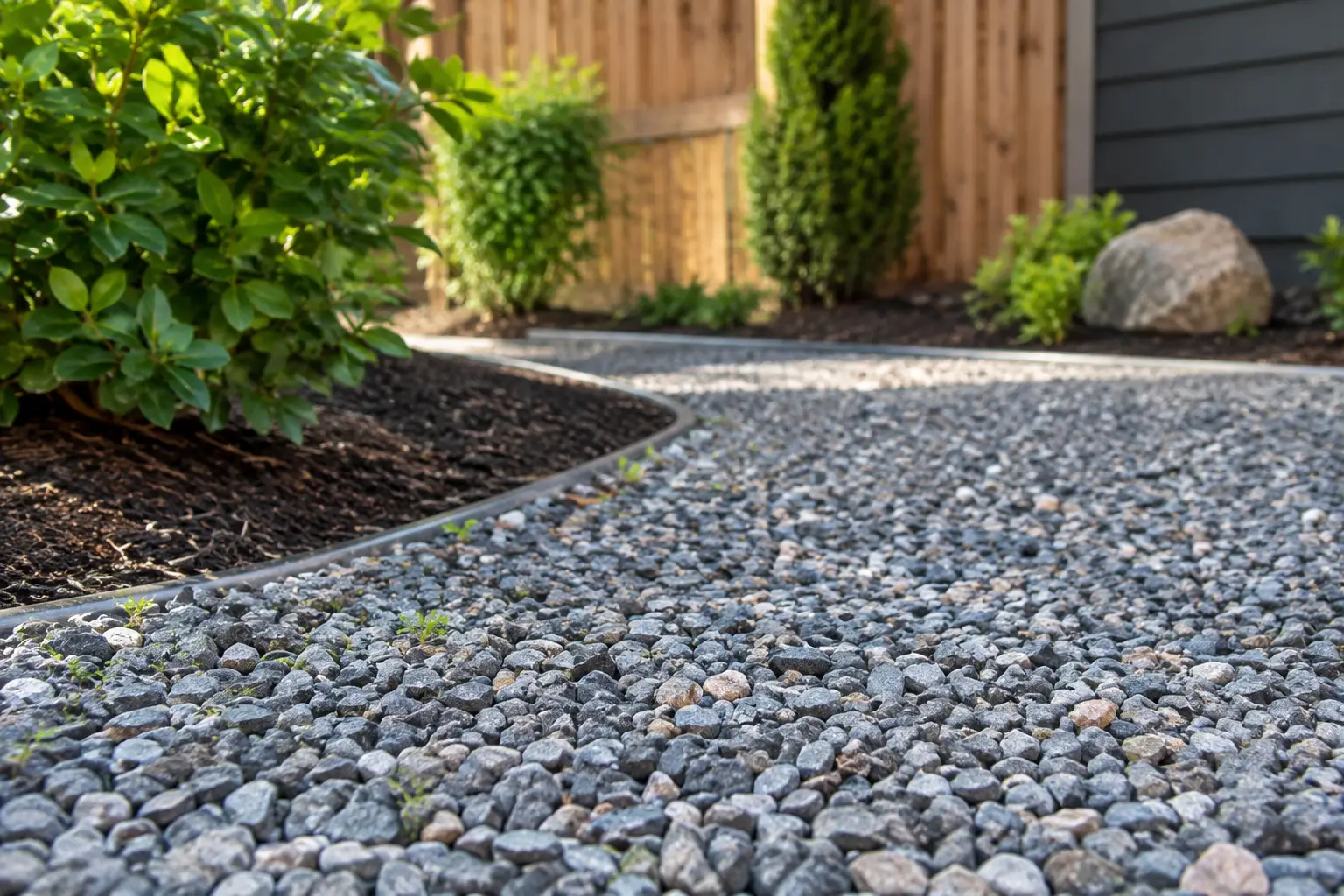
Results also depend on the product. Some products are labeled for turf, some for landscape beds, and some for non-planted areas such as driveways and gravel paths. Never assume that a product safe for one area is safe for another. The label is the final authority on where it can be used, which plants it protects, application rates, and required waiting periods before seeding.
Choose the Right Product for the Area
Start by separating the job into zones. Your lawn, shrub beds, vegetable garden, and rock-covered paths may all need different treatment plans.
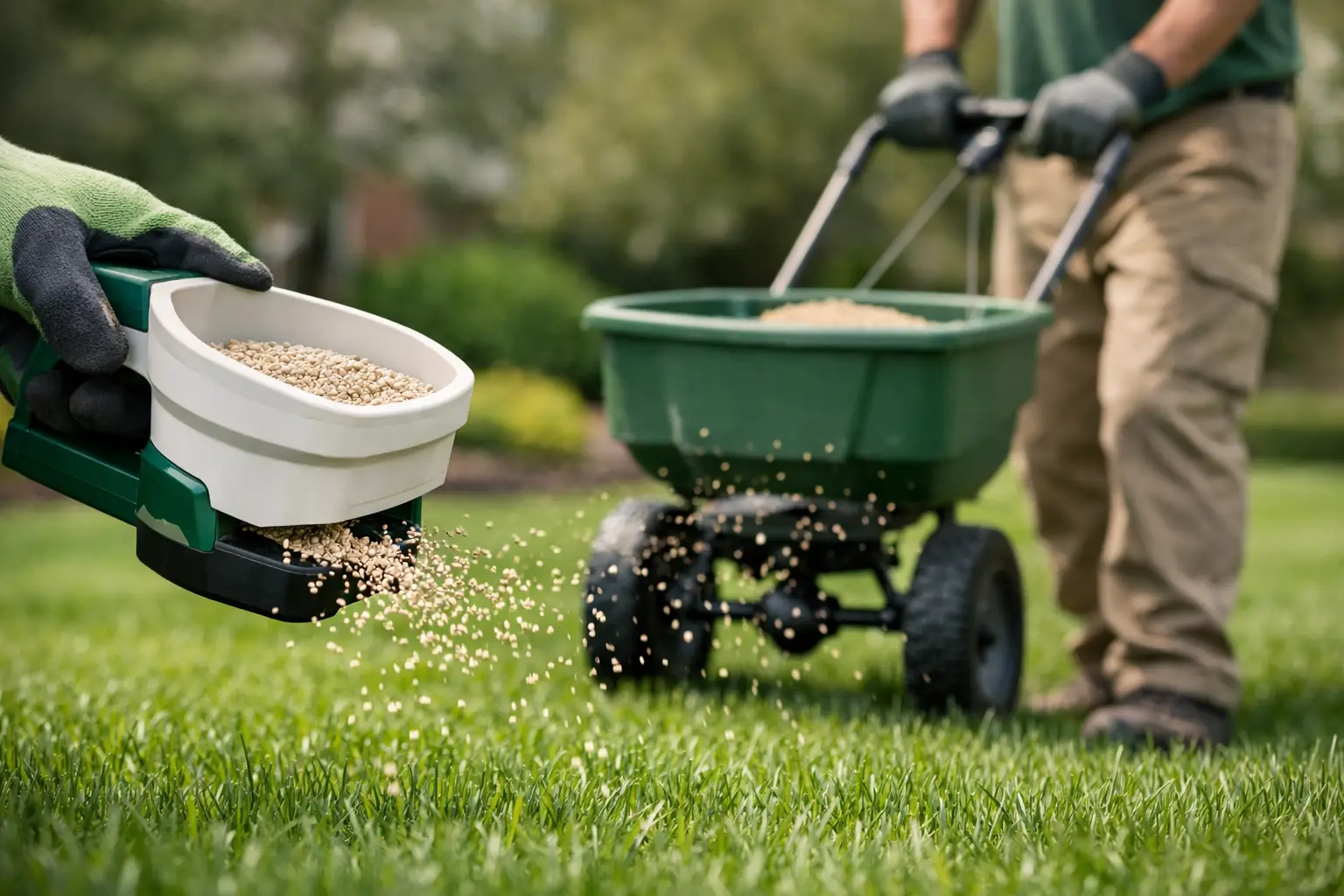
Granular preemergent is a practical choice for many homeowners because it is easy to spread evenly with a calibrated broadcast or drop spreader. Liquid concentrates can be a good fit for professionals, larger properties, and irregular planting beds where a pump or backpack sprayer provides more control. Both can work well when applied at the labeled rate.
For lawns, make sure the product is specifically labeled for your grass type. Bermuda, zoysia, centipede, and fescue do not always have the same product tolerances or application schedules. A lawn that is newly seeded, recently sodded, stressed by drought, or coming out of winter dormancy may require extra caution.
In landscape beds, check the ornamental plant list. Newly planted flowers, tender groundcovers, and certain shrubs may be sensitive. Vegetable gardens are a separate category altogether. Do not use a general landscape preemergent around edible crops unless the label expressly permits that use.
How to Apply Preemergent Herbicide Step by Step
The best application is even, measured, and watered in according to the label. Rushing is where most problems begin – usually from applying too much, missing strips, or treating an area that is about to be seeded.
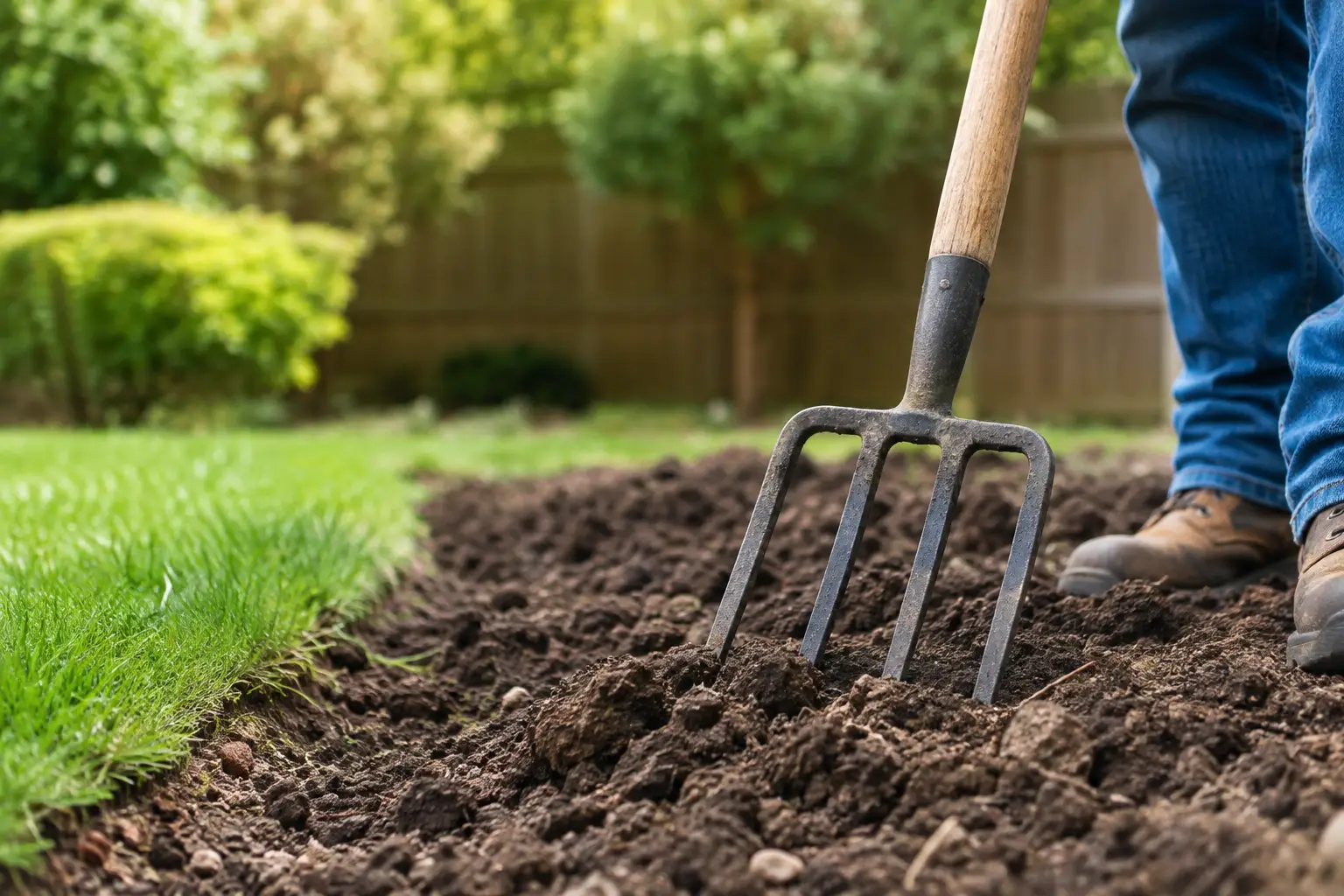
- Clear existing weeds and debris. Remove visible weeds first, including their roots when possible. Rake away heavy leaf cover or loose debris that would keep granular product from reaching the soil surface. In beds, a thin established mulch layer is often manageable, but product contact with the soil zone still matters.
- Measure the treatment area. Multiply length by width for rectangular spaces, then estimate irregular areas as closely as possible. Product labels provide a rate per 1,000 square feet or per acre. Guessing at coverage often causes thin protection in one area and turf or plant injury in another.
- Calibrate your spreader or sprayer. For granular products, use a clean spreader and follow the manufacturer’s settings as a starting point. Test the setting on a small measured area if possible. For liquids, mix only the amount you can use that day, following label directions for dilution, agitation, nozzle selection, and spray volume.
- Apply in a steady, overlapping pattern. Walk at a consistent pace and avoid stopping with the spreader or sprayer running. For broad lawn areas, applying half the product in one direction and the other half at a right angle can improve uniformity. Avoid throwing product onto sidewalks, driveways, ponds, drains, or desirable plants.
- Water it in when the label calls for it. Many preemergents need rainfall or irrigation soon after application to move the active ingredient into the upper soil layer. A light, thorough watering is usually better than a hard washout. Follow the product label for the exact amount and timing.
Sweep or blow any granules off hard surfaces and back into the treated area. This keeps materials out of drainage systems and prevents staining or accidental movement during rain.
Timing Preemergent Applications in Birmingham
Timing matters more than the calendar date. Preemergents need to be in place before target weeds germinate, and germination is driven largely by soil temperature and weather patterns.
For summer annual weeds like crabgrass, Birmingham homeowners commonly make an early spring application before soil temperatures stay consistently warm. A follow-up application may be needed later in the season if the product label allows it and the stated control period will not cover the full growing season.
For winter annual weeds, application is generally made in late summer or early fall, before cool-season weeds begin to emerge. This can help reduce winter weeds in dormant warm-season lawns and planted beds.
Rainfall, warm spells, shade, elevation, and your property’s soil conditions can all shift the ideal window. If a week of unusually warm weather arrives early, waiting for a traditional date can mean missing the opportunity. On the other hand, applying far too early may leave a gap in protection later in the season. Product longevity and local conditions should guide the schedule.
Lawn and Landscape Bed Considerations
A healthy lawn is one of the best weed-control tools available. Mow at the correct height for your grass, water deeply when needed, and follow a sensible fertility plan. Preemergent helps reduce weed pressure, but it cannot replace basic lawn care.
Be especially careful if you plan to seed. Many preemergent herbicides can prevent desirable grass seed from establishing just as effectively as they stop weeds. The same concern applies to overseeding thin fescue lawns in fall. Check the label for the required wait time before or after seeding, and do not rely on a general rule from a neighbor or an online forum.
In ornamental beds, apply only after weeds have been removed and soil has settled. If you are installing new shrubs or perennials, it is often wise to plant first, water them in, and then use only a product approved for those plants. Apply mulch after treatment only in a way the label allows. A fresh layer of quality mulch adds another barrier by blocking light and reducing the number of weed seeds that can take hold.
Safety and Common Mistakes to Avoid
Wear the protective equipment listed on the label, which may include gloves, long sleeves, closed-toe shoes, and eye protection. Keep children and pets away until the product has been watered in or dried, based on label instructions. Store leftover material in its original container, secured in a dry place away from food, feed, and moisture.
The most common mistakes are applying after weeds have already emerged, using the wrong rate, failing to activate the product, and treating areas scheduled for seeding. Another frequent issue is skipping the edges. Weeds often begin along curbs, fence lines, bed borders, and driveway margins, so include those areas if the label permits.
If you are not sure which product fits your grass, planting bed, or project schedule, bring the details to the Landscape Source team before you apply. A clean, well-maintained property starts with the right material and a plan that fits the way your yard is actually used.

Leave a Reply