

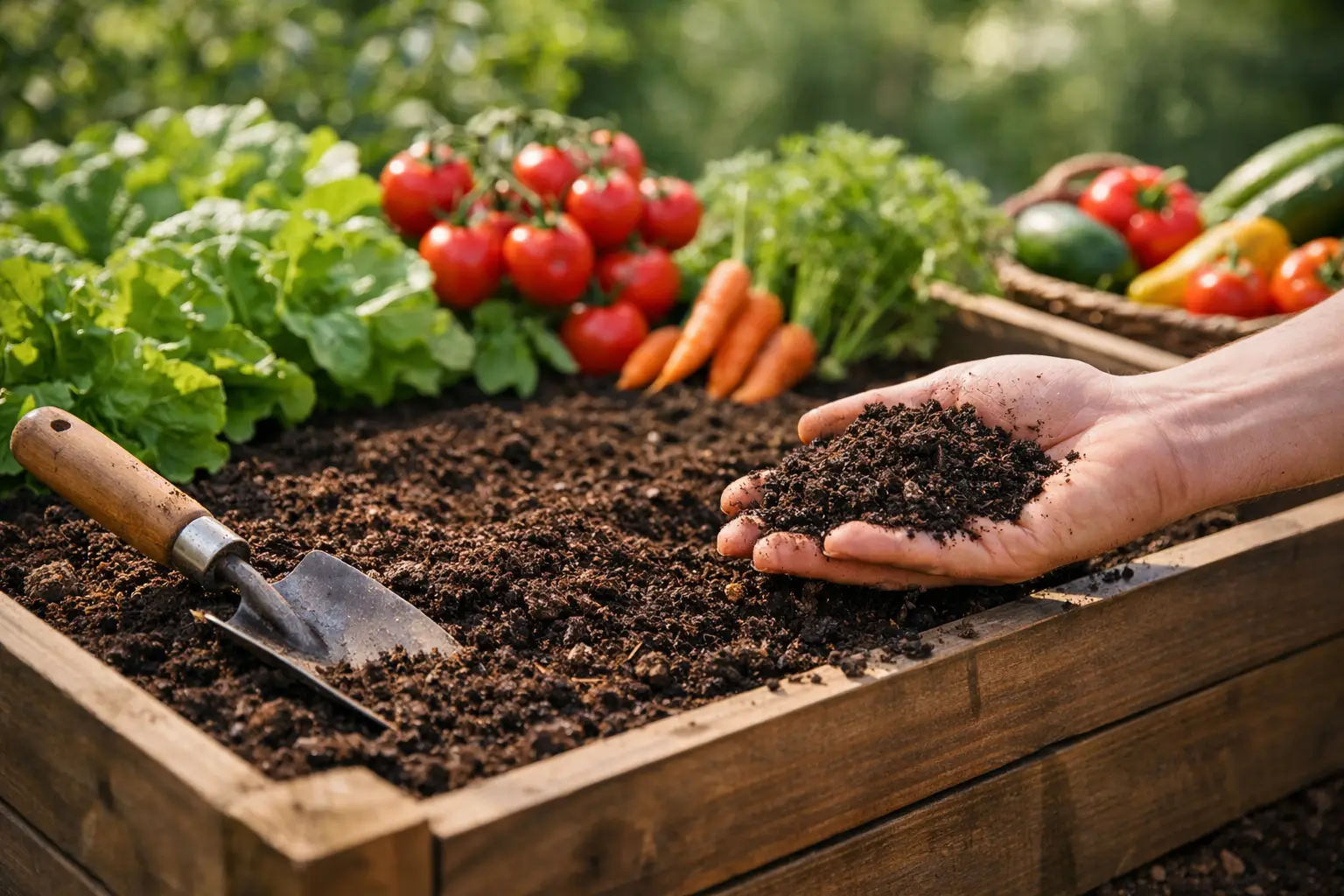
A raised bed can look ready for planting the moment it is built, but the soil inside determines what happens next. The right raised bed soil gives roots room to grow, holds enough moisture through Birmingham’s warm stretches, and drains well after a heavy rain. Start with quality bulk materials, and your vegetables, flowers, herbs, and shrubs have a much better foundation from day one.
For homeowners and landscape crews alike, the goal is not simply to fill an empty box as cheaply as possible. A raised bed is a contained growing space, which means the material you choose has to do several jobs at once. It needs to provide nutrients, air space, moisture retention, and dependable drainage without turning hard and compacted over time.
What Makes Good Raised Bed Soil?
Good garden soil is a balanced blend rather than one single ingredient. Screened topsoil provides the mineral base and body of the mix. Compost contributes organic matter and slow-release nutrients. Materials that improve texture help prevent the bed from becoming dense, especially after repeated watering and summer storms.
The best blend feels loose and crumbly in your hand. It should hold together briefly when squeezed, then break apart easily. Soil that feels slick, sticky, or heavy when wet may contain too much clay. Soil that looks almost entirely like wood chips may drain quickly but can leave plants short on nutrients as the material breaks down.
In the Birmingham area, clay-heavy native ground is common. That is one reason raised beds are so useful. Building above the existing soil gives you control over the root zone, but only if you fill the bed with a proper planting mix instead of excavated clay or plain fill dirt.
A quality raised bed mix generally includes three working parts: a soil base for structure, finished compost for fertility, and organic matter that improves both drainage and water-holding ability. The exact balance depends on what you are growing. Tomatoes and peppers appreciate fertile soil that drains freely. Leafy greens prefer consistent moisture. Perennial flowers and herbs often need a slightly leaner mix that does not stay soggy.
Why Plain Topsoil Is Not Always Enough
Topsoil is a useful ingredient, but it is not automatically a complete raised bed soil. Depending on its source, plain topsoil may be low in organic matter, dense after settling, or lacking the nutrients vegetables need for a productive season.
That does not make topsoil a poor choice. It simply means it works best as part of a blend. Adding compost to screened topsoil improves texture and gives plants more to work with. For a new bed, many gardeners use a soil-and-compost blend as the primary fill, then reserve additional compost for a thin top dressing before planting.
Avoid filling a bed with bagged potting soil alone. Potting mixes are made for containers and are usually too light and expensive for large beds. They can also settle quickly outdoors. Likewise, avoid relying on fresh manure, raw wood products, or uncomposted yard waste. These materials can create uneven nutrient levels, tie up nitrogen, or generate heat while decomposing.
How Much Raised Bed Soil Do You Need?
Running short halfway through a project is frustrating, especially when the bed is already assembled and ready to plant. Before ordering material, measure the inside length, width, and depth of each bed in feet. Multiply those numbers together to find cubic feet, then divide by 27 to convert the result to cubic yards.
For example, a bed that measures 8 feet long, 4 feet wide, and 1 foot deep needs 32 cubic feet of material. Dividing 32 by 27 equals about 1.2 cubic yards. Ordering a little extra is often wise because soil settles after watering, and a full bed should sit a few inches below the top edge rather than being packed down tightly.
If you are filling deeper beds, you may not need premium garden mix from top to bottom. For beds taller than about 18 inches, a lower layer of clean fill material can reduce the amount of planting mix required. Keep the upper 12 to 18 inches reserved for quality soil where most annual vegetable and flower roots will grow.
Do not use construction debris, treated lumber scraps, or unknown material as filler. It may seem like a shortcut, but it can interfere with drainage and make future planting more difficult. Clean, appropriate fill below a quality growing layer is the practical approach.
Build the Bed for Drainage and Root Growth
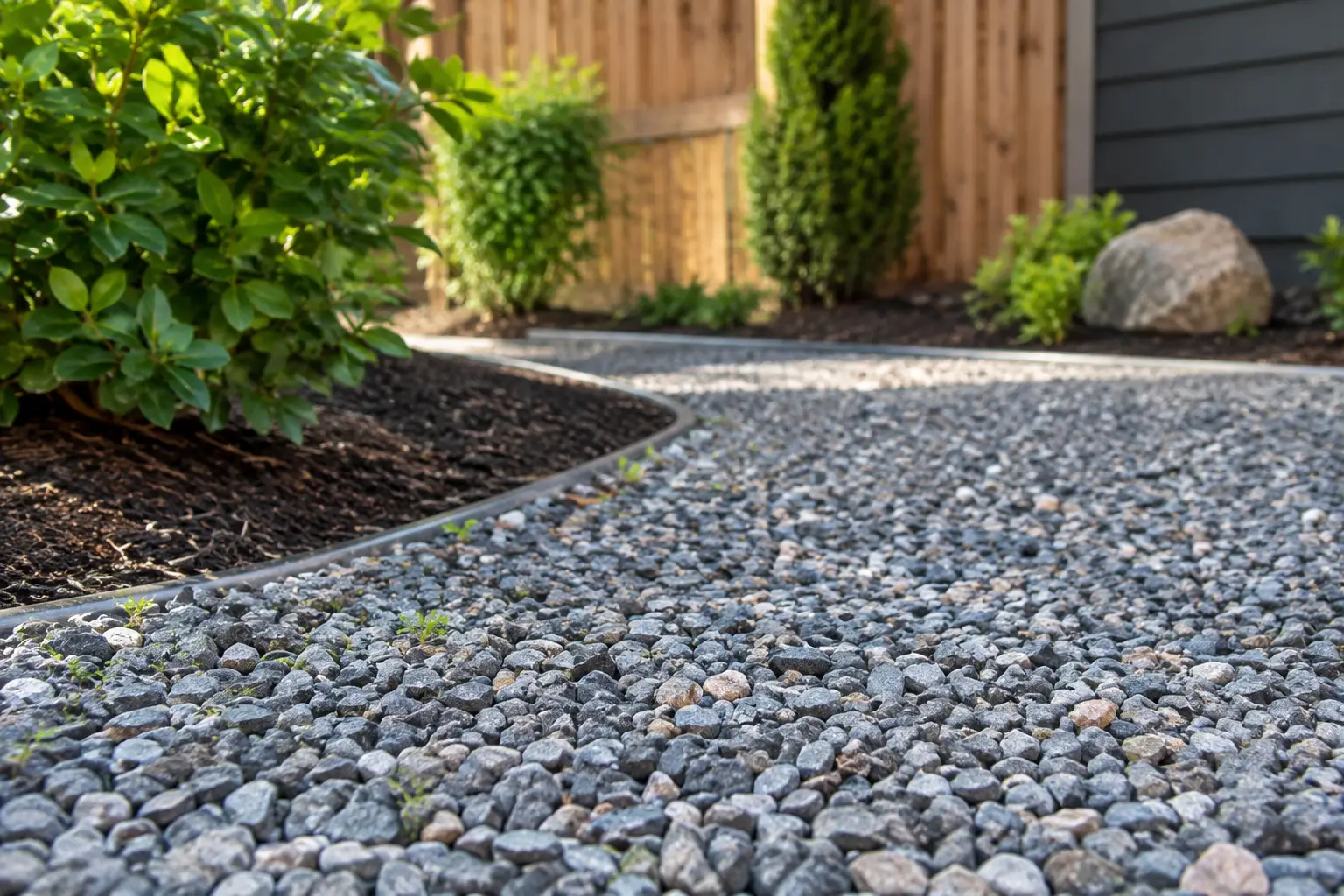
Raised beds normally do not need a gravel layer at the bottom. In fact, gravel beneath soil can create an abrupt change in texture that slows water movement at the boundary. If the bed is open to the ground, place it directly over existing soil, remove persistent weeds first, and fill it with your soil blend.
If you are building over a hard surface or using a closed-bottom planter, drainage holes are essential. Use a mix with enough organic matter to retain moisture, but do not make it so fine that water lingers around roots. Yellowing leaves, weak growth, and soil that remains wet days after rain can all point to poor drainage.
New soil will settle, sometimes more than expected. Fill the bed close to its intended level, water it thoroughly, and check it again after several days. Add more soil if needed before setting transplants. This extra step prevents shallow planting later in the season.
Planting and Maintaining Your Soil Through the Season
Fresh soil is not a one-time purchase that should be forgotten after planting. Each crop uses nutrients, and every watering cycle gradually changes the structure of the bed. A simple maintenance routine keeps the soil productive without requiring a full replacement every year.
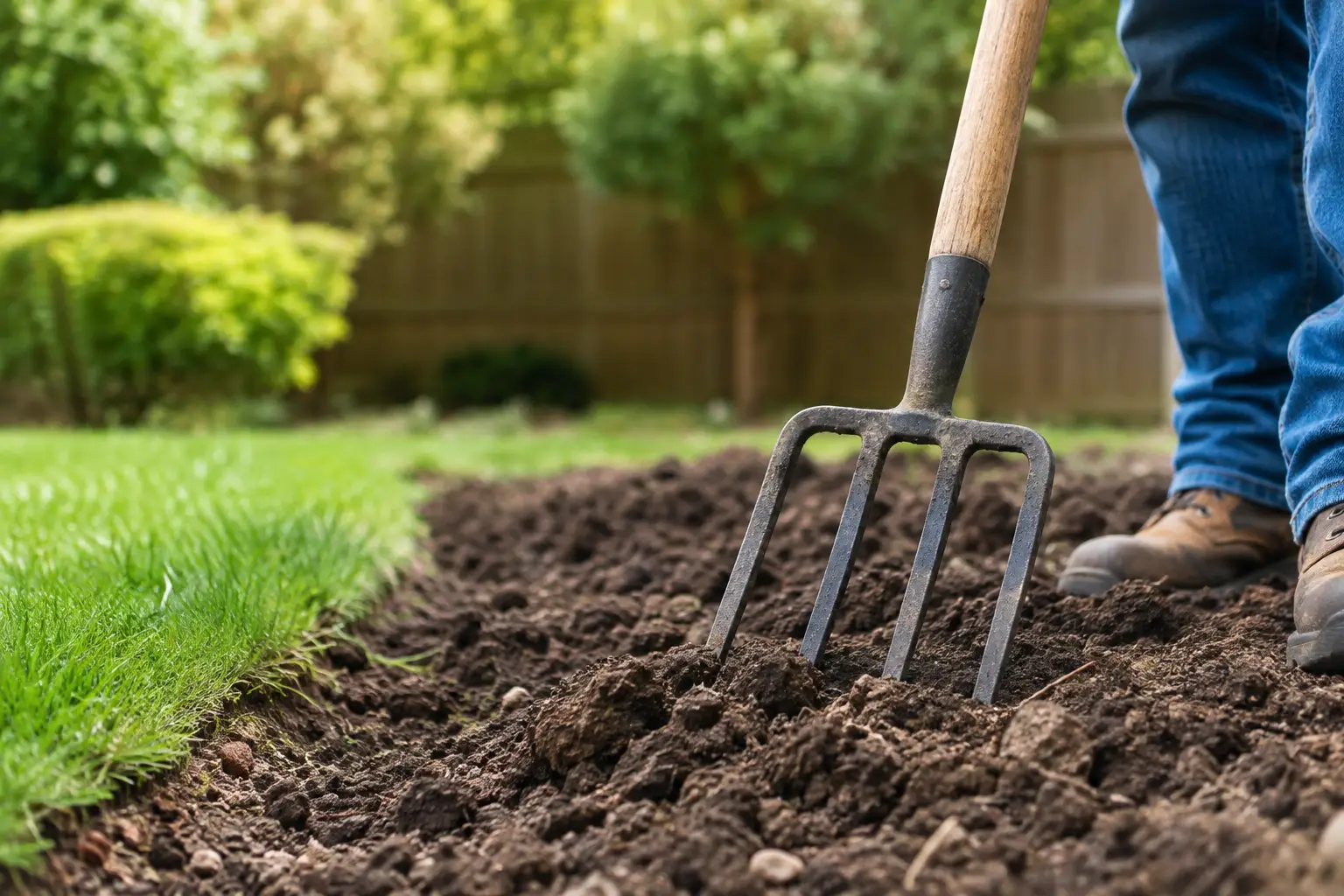
Before each main planting season, loosen the top few inches with a garden fork or hand cultivator. There is no need to turn the entire bed deeply and disturb healthy soil life. Work in a layer of finished compost, then level the surface before planting.
Mulch matters here, too. A light layer of natural mulch around established vegetables, flowers, or shrubs helps moderate soil temperature and reduce moisture loss during Alabama heat. Keep mulch a few inches away from plant stems so it does not hold excess moisture against them.
Fertilizer needs depend on the crop and the soil’s condition. Heavy-feeding plants such as tomatoes, squash, corn, and peppers may benefit from a vegetable fertilizer during the growing season. Herbs and many native-style flowering plants usually need less feeding. More fertilizer is not always better, particularly when it encourages leaf growth at the expense of fruit or blooms.
Watch the bed rather than following a calendar alone. Soil that dries unusually fast may need more organic matter. Water that pools on the surface suggests compaction or a mix that is too fine. Pale plants can indicate a nutrient issue, but they can also be responding to excessive water, pests, or cool weather. A quick look at the whole growing situation usually leads to a better fix than adding products at random.
Refreshing Raised Bed Soil Each Year
Most raised beds do not need to be emptied and replaced annually. That is an unnecessary expense when the existing material can be improved. A yearly addition of compost and a targeted fertilizer plan will keep many beds growing well for years.
Plan on adding one to three inches of compost or quality soil blend to the surface each year, depending on how much the bed has settled and how heavily it was planted. Gently mix it into the top layer or leave it as a top dressing before mulching. This restores organic matter, improves texture, and gradually raises the soil level.
A full soil replacement may be worthwhile if the bed has persistent disease problems, severe weed pressure, poor drainage that will not improve, or soil contaminated by an unknown source. In most cases, though, refresh rather than replace. Healthy raised bed soil gets better over time when it is fed, protected, and not compacted.
Choosing Bulk Soil for a Better Start
Bulk material makes sense when you are filling multiple beds, building a large kitchen garden, or helping a client complete a landscape project on schedule. It reduces the cost and waste that comes with opening dozens of small bags, while giving you enough material to fill beds consistently.
Before ordering, have your measurements ready and think through delivery access. Decide where the material can be placed without blocking vehicles, damaging turf, or creating extra wheelbarrow work. Clear placement instructions make the job easier from the start. Landscape Source can help Birmingham-area customers choose the right amount of quality material and arrange dependable delivery for projects large and small.
A raised bed should make gardening more rewarding, not add another problem to solve. Begin with soil that supports roots, refresh it with compost as the seasons pass, and let your plants show you what they need.

Leave a Reply