

A lawn can look thick and green on Monday, then show a fresh scatter of crabgrass, clover, or broadleaf weeds by the weekend. In Birmingham, warm temperatures and long growing seasons give turfgrass plenty of opportunity to grow – and give weeds the same advantage. The best lawn treatments for weeds are not one product or one weekend of work. They are a practical combination of identifying the weed, applying the right treatment at the right time, and giving your grass the conditions it needs to fill in bare space.
For homeowners, that approach prevents wasted money on a product that does not match the problem. For landscaping crews, it creates more consistent results across client properties. Here is how to choose weed control that makes sense for Alabama lawns.
Start With the Weed, Not the Bottle
The most reliable treatment depends on what is growing in the lawn and what type of grass you want to protect. A weed killer labeled for one lawn type may injure another, especially when dealing with warm-season grasses such as Bermuda, zoysia, centipede, and St. Augustine.
Broadleaf weeds are usually easy to spot. They have wider leaves than turfgrass and include clover, dandelion, chickweed, henbit, dollarweed, and plantain. Grassy weeds, such as crabgrass, goosegrass, annual bluegrass, and dallisgrass, can be harder to identify because they resemble lawn grass. Sedges, including nutsedge, are another category altogether. They often grow faster than the surrounding lawn, have a stiff upright form, and may have triangular stems.
If you are not certain what you have, bring a clear photo or a sample to a knowledgeable lawn-care supplier before choosing a chemical. A little identification up front is easier than trying to repair damaged turf later.
The Best Lawn Treatments for Weeds Use Two Timelines
Most successful weed-control programs work on two timelines: preventing new weeds before they emerge and treating weeds that are already visible. Both matter, but they do different jobs.
Pre-emergent control stops many weeds before they start
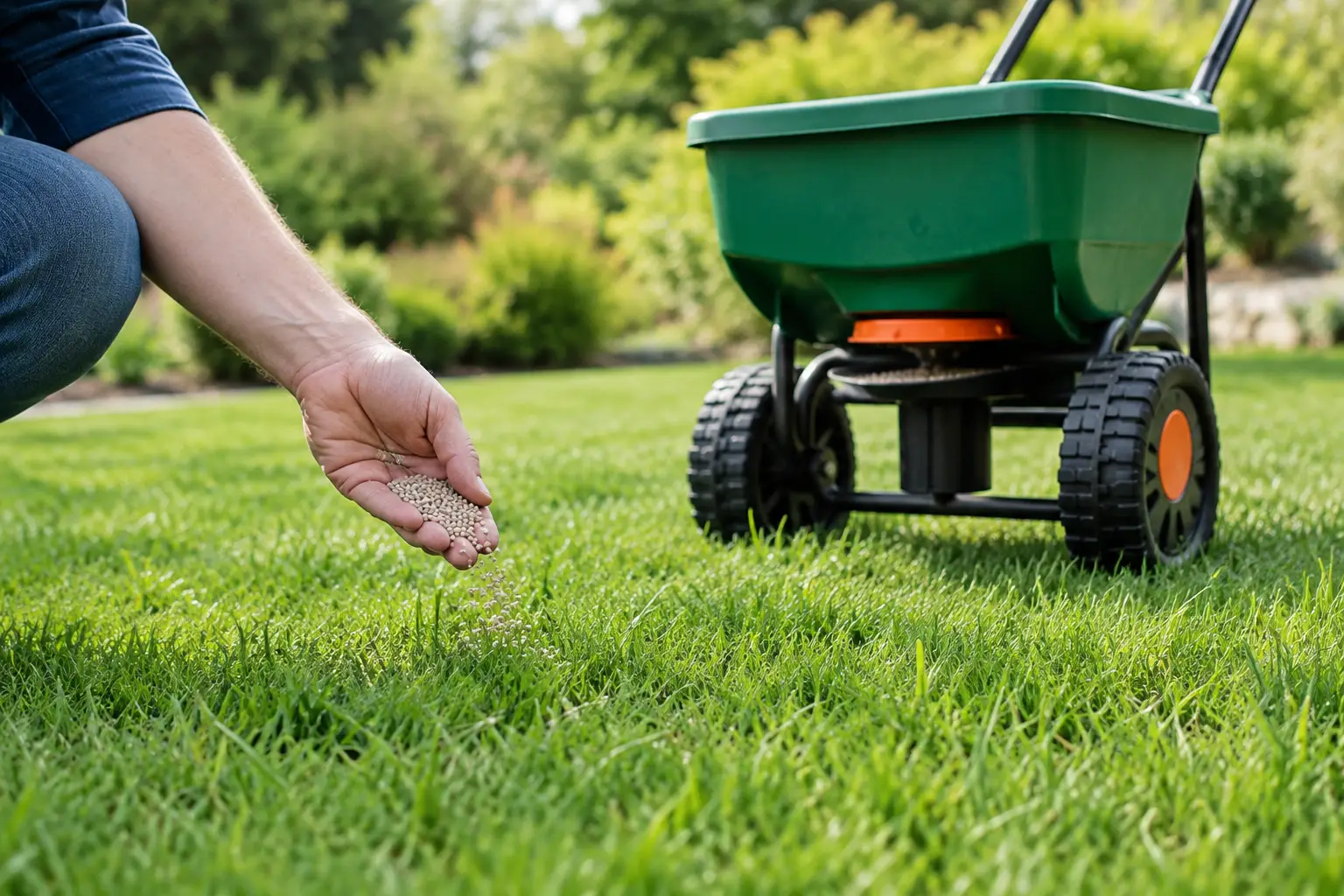
A pre-emergent herbicide creates a barrier near the soil surface that stops certain weed seeds as they germinate. It is especially useful for annual weeds such as crabgrass in spring and annual bluegrass in fall. Once a weed is already up and growing, pre-emergent products will not remove it.
Timing is the deciding factor. In the Birmingham area, spring pre-emergent applications are commonly made in late winter to early spring, before soil temperatures rise enough for summer annual weeds to germinate. A fall application helps reduce cool-season weeds, including annual bluegrass and henbit. Exact timing can shift with weather, so watch conditions rather than relying only on a calendar date.
Pre-emergent must be applied evenly and watered into the soil according to its label directions. It can also affect grass seed establishment. If you plan to seed a thin area, especially with fescue, check the product label and your seeding schedule first.
Post-emergent treatments handle what is already growing
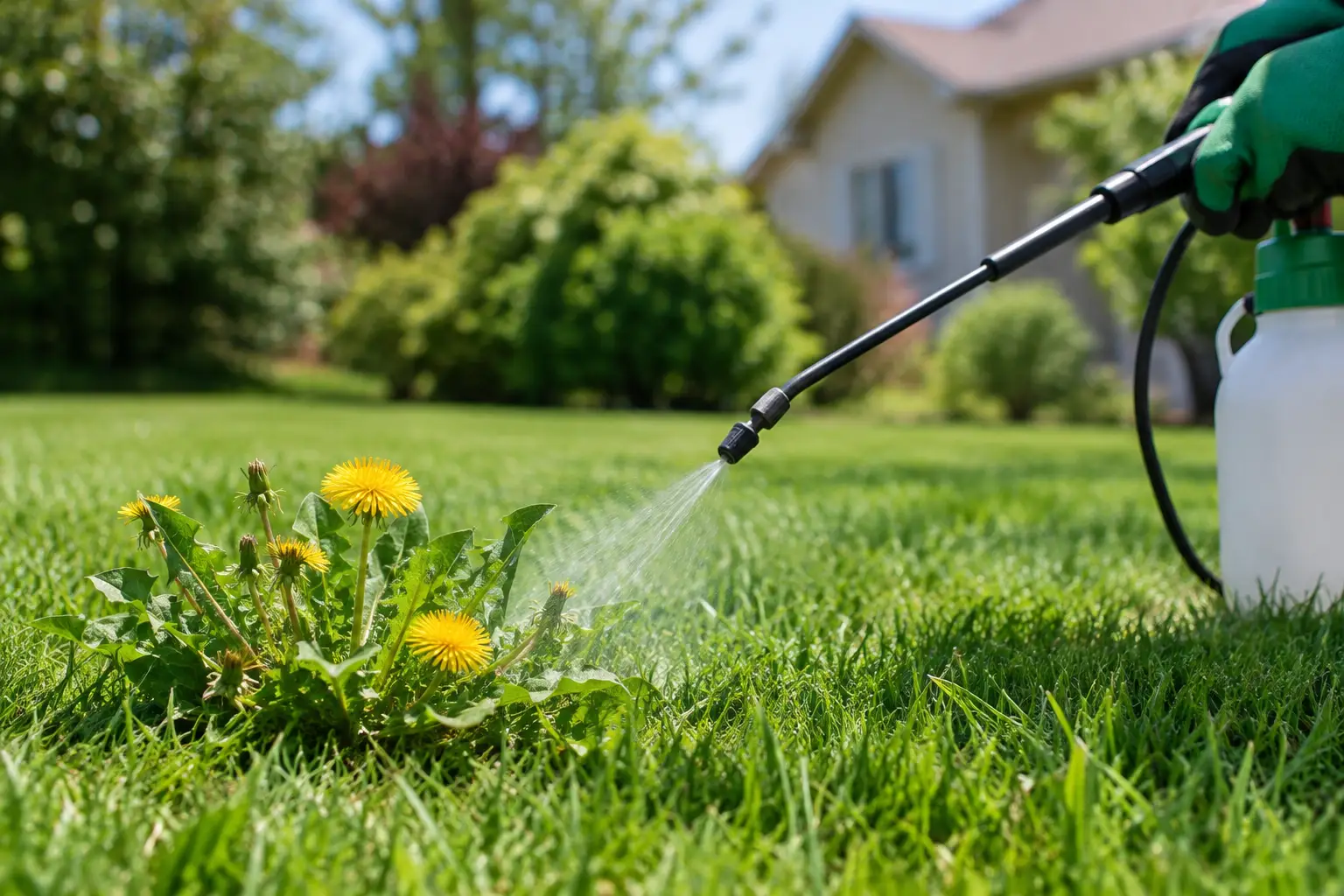
Post-emergent herbicides work on visible weeds. Selective products target certain weeds while leaving compatible turfgrass unharmed when used correctly. They are often the right choice for scattered clover, dollarweed, chickweed, and other broadleaf invaders.
For isolated weeds, spot treatment is usually the smarter option. You use less product, avoid spraying healthy areas unnecessarily, and can focus on the weeds that need attention. Treat on a mild, dry day when the weed is actively growing. Avoid mowing immediately before or after application if the label calls for leaf surface contact, and avoid spraying before heavy rain.
Some problems require a more specialized product. Nutsedge needs a sedge-specific treatment, while tough grassy weeds may require an herbicide that is carefully matched to your lawn type. Glyphosate, a non-selective herbicide, can kill the grass along with the weed. It is useful for weeds in cracks, fence lines, and areas being fully renovated, but it should not be used across a healthy lawn.
Build a Lawn That Leaves Weeds Less Room
Herbicides can clear weeds, but turf density is what helps keep them from returning. Thin grass gives weed seeds sunlight, open soil, and room to establish. Thick, healthy grass competes for those same resources.
Mow at the proper height for your grass type and keep the mower blade sharp. Cutting too low stresses turf and exposes more soil. Bermuda can be maintained shorter than many grasses, while centipede and St. Augustine generally need more leaf blade left behind. If you are unsure of the right mowing height, identify the grass first rather than following one rule for every lawn.
Water deeply enough to encourage healthy roots, then allow the lawn to dry between waterings when conditions permit. Frequent light watering can favor shallow roots and certain weeds. Dollarweed, for example, often becomes more noticeable in overly wet areas. If it repeatedly appears in one spot, look for poor drainage, a leaking irrigation head, or excessive shade along with treating the weed itself.
Fertilizer also deserves a measured approach. Underfeeding can leave grass thin, but overfeeding does not solve every lawn problem and can encourage fast, tender growth. Use a fertilizer suited to your grass and apply it during the appropriate growing season. A soil test is especially helpful when a lawn struggles year after year despite regular care.
Know When the Lawn Needs More Than Weed Killer
Repeated weeds in the same area are often a clue, not just a nuisance. Bare patches may be caused by compacted soil, shade, poor drainage, insect damage, disease, or a grass variety that is not suited to the site. No weed treatment can make turf thrive where it receives too little light or where water stands after every rain.
For compacted lawns, core aeration can improve air, water, and nutrient movement in the soil. In areas where grass will not grow well, a landscape bed, mulch, decorative gravel, or a shade-tolerant planting may be a better long-term answer than repeated herbicide applications. That kind of adjustment saves time and keeps the property looking intentional.
Landscaping professionals should also consider job-site timing. A quick blanket spray may seem efficient, but identifying the turf type, weed pressure, and weather window protects the client’s lawn and helps avoid callbacks. Keeping treatment records by property makes seasonal planning simpler from one visit to the next.
Apply Lawn Chemicals Carefully
Even the right product can disappoint when it is applied incorrectly. Read the complete label, including the approved grass types, target weeds, mixing instructions, temperature limits, and reentry guidance. The label is the product’s legal directions for use, not a suggestion.
Use a clean sprayer with a dependable nozzle pattern, and measure concentrates accurately. Spray only as much as needed to wet the weed foliage without runoff. Keep products away from vegetable gardens, ornamental plants, ponds, and storm drains. Store lawn chemicals in their original containers, secured away from children and pets.
Hot weather deserves extra caution. Some selective herbicides can stress turf when temperatures are high, particularly if the lawn is already drought-stressed. Treating early in the day under label-approved conditions is often more comfortable for the applicator and gentler on the lawn. When in doubt, test a small area first or wait for more favorable weather.
A Practical Seasonal Plan for Birmingham Lawns
A simple routine is easier to maintain than reacting every time weeds appear. In late winter and early spring, apply a properly timed pre-emergent and address any cool-season broadleaf weeds that are actively growing. Through spring and summer, mow correctly, feed the lawn as appropriate for its grass type, and spot-treat weeds before they spread or seed.
In late summer and fall, plan ahead for winter weeds with a fall pre-emergent where suitable. This is also a good time to correct drainage concerns, repair thin areas, and prepare fescue lawns for overseeding if that is part of your property plan. Warm-season lawns and cool-season fescue do not follow the same schedule, so treatment should always match the grass you maintain.
Landscape Source Inc. helps Birmingham homeowners and crews find lawn chemicals and herbicides for the job, with straightforward guidance from people who understand local lawns. Bring details about your grass type, the weed you are seeing, and the size of the area you need to treat.
A clean lawn rarely comes from chasing every weed after it appears. Treat the weeds you have, prevent the next wave when timing is right, and give your grass the care it needs to hold its ground.


Leave a Reply