

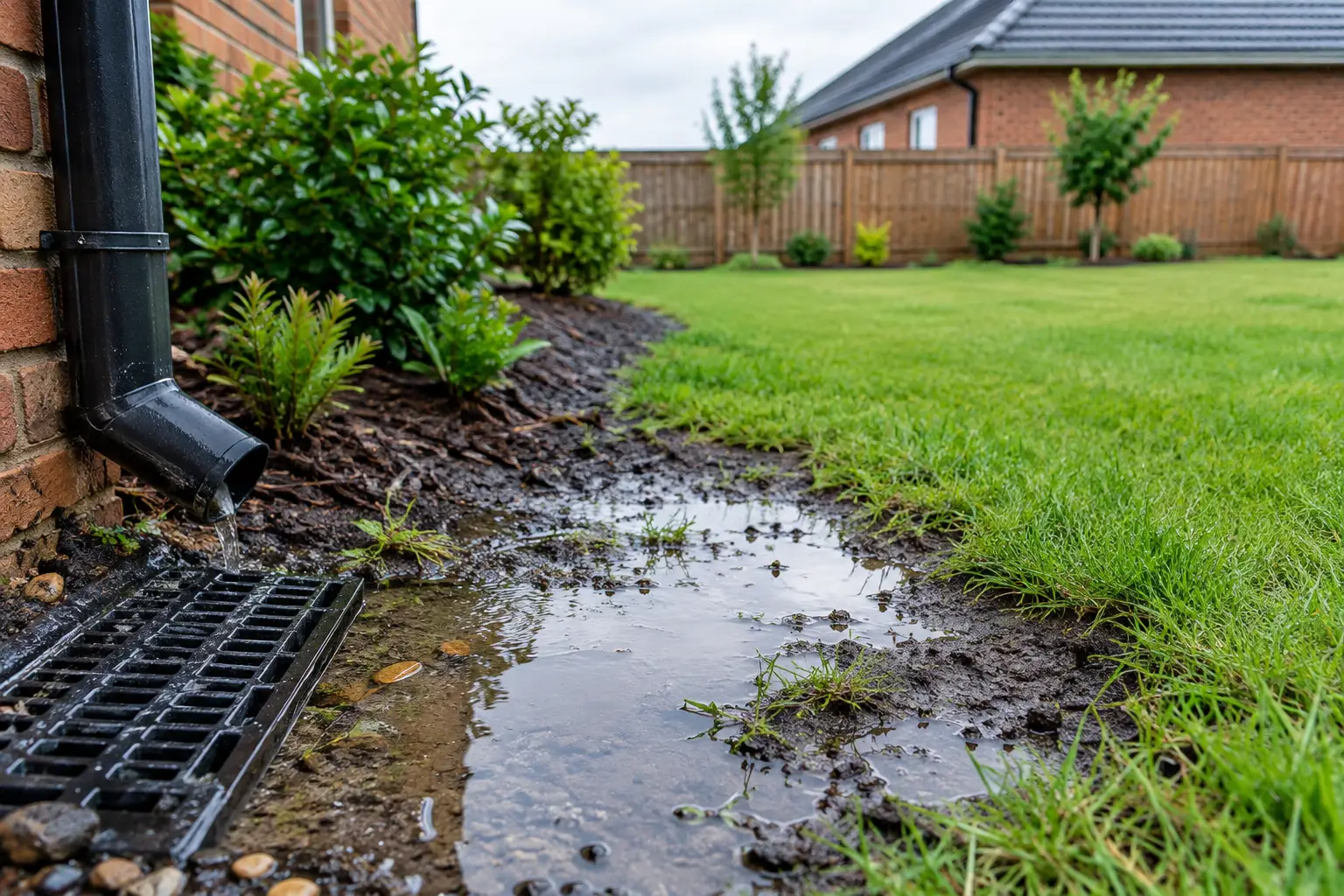
A garden bed can look perfectly fine on a dry Tuesday, then hold standing water for days after one hard Birmingham rain. That is why garden drainage fails so often: the visible puddle is usually the last sign of a problem that began below the surface, uphill from the bed, or during installation.
Poor drainage is more than an inconvenience. Waterlogged soil can suffocate plant roots, wash mulch into the lawn, invite disease, soften hardscape edges, and leave bare spots where plants never establish. The good news is that most drainage problems have a cause you can identify before spending money on the wrong fix.
Why Garden Drainage Fails in the First Place
A healthy garden needs water to move through the soil at a reasonable pace. It should not disappear immediately, but it also should not sit around a plant’s crown for several days. In many Birmingham-area yards, heavy rain, dense clay soil, changing grades, and compacted ground work together to slow that movement.
Drainage issues are rarely solved by adding a little more mulch or replacing one struggling plant. Those steps may improve appearance, but they do not change where water goes. Start by watching the yard during a rainstorm and again a few hours afterward. Notice where water enters the bed, where it pools, and whether it has a clear path away from the house, patio, or planting area.
The Yard Is Graded Toward the Problem
Water follows gravity. If a garden bed sits at the bottom of a slope, next to a downspout outlet, or along a patio that sheds water into the landscape, the bed may be receiving far more runoff than its soil can absorb.
This is especially common after a homeowner adds a new flower bed around the house without checking the finished grade. Soil and mulch built up too high can flatten the slope or direct water back toward the foundation. A bed should generally slope gently away from the home, while still leaving enough room for plants and mulch.
The right correction depends on the source of the water. Sometimes reshaping a small section of soil is enough. In other cases, a shallow swale, a properly placed catch basin, or an extended downspout outlet may be needed to guide runoff to a safer area. Do not send water toward a neighbor’s property or simply move the problem to another low spot in the yard.
Clay Soil Holds Water Too Long
Much of the Birmingham area has clay-heavy soil. Clay can be fertile, but its tiny particles pack tightly together and drain slowly, particularly after repeated rain. When it is compacted, water may puddle on top instead of soaking in.
Adding sand directly to heavy clay is a common shortcut that often disappoints. Without the right proportions and thorough mixing, it can create an even denser, concrete-like layer. For most garden beds, a better approach is to improve the planting zone with quality topsoil and organic matter, then work it into the existing soil rather than leaving a thin new layer on top.
Raised beds can also help when the native ground stays wet. They give plant roots a deeper, better-draining growing area, but they still need a plan for runoff. A raised bed built in a low spot can become a neat-looking island surrounded by standing water if surrounding grades are ignored.
Compaction Blocks the Path Downward
Soil compaction is not limited to construction sites. Foot traffic, wheelbarrows, lawn equipment, pets, repeated mowing, and years of rain settling bare soil can all squeeze out the air spaces that roots and water need.
Compacted soil often feels hard when dry and slick when wet. You may see water run across the surface instead of soaking in, even where the yard is mostly level. Plants in that area may grow slowly, yellow early, or develop shallow roots that suffer during both wet and dry weather.
For smaller beds, loosening compacted soil with a garden fork can make a real difference. Work carefully around established roots, then add amended topsoil where needed. In larger or severely compacted areas, it may be more practical to remove poor material, regrade the section, and rebuild the planting bed with better soil before installing new plants.
A Buried Layer Creates a Hidden Barrier
Sometimes the soil near the surface looks healthy, but water stops at a dense layer farther down. This can be packed subsoil left after construction, old landscaping fabric, buried debris, or a hardpan layer created by repeated compaction.
A simple test can reveal a lot. Dig a hole about 12 inches deep in the problem area, fill it with water, let it drain, then fill it again. If the second filling remains for many hours or into the next day, the soil may have a drainage limitation below the surface. Compare it with a test hole in a healthier part of the yard.
Landscape fabric deserves a closer look in older beds. It can be useful beneath certain gravel areas, but it is not a universal solution for planting beds. As soil and mulch settle over fabric, roots can become tangled, and water may move unevenly. If a bed has fabric directly beneath a shallow layer of soil, it may be contributing to the trouble.
Drainage Fixes That Match the Actual Problem
The best fix is the one that addresses the source of the water, not just the symptom. A wet garden corner may need improved soil. A bed overwhelmed by roof runoff may need the downspout redirected. A low area collecting water from three sides may need regrading and a drainage feature.
For minor drainage issues, start with soil improvement and mulch management. Keep mulch about 2 to 3 inches deep, and pull it back a few inches from plant stems and tree trunks. Excessive mulch can hold moisture against the crown of a plant and make a drainage problem look worse than it is.
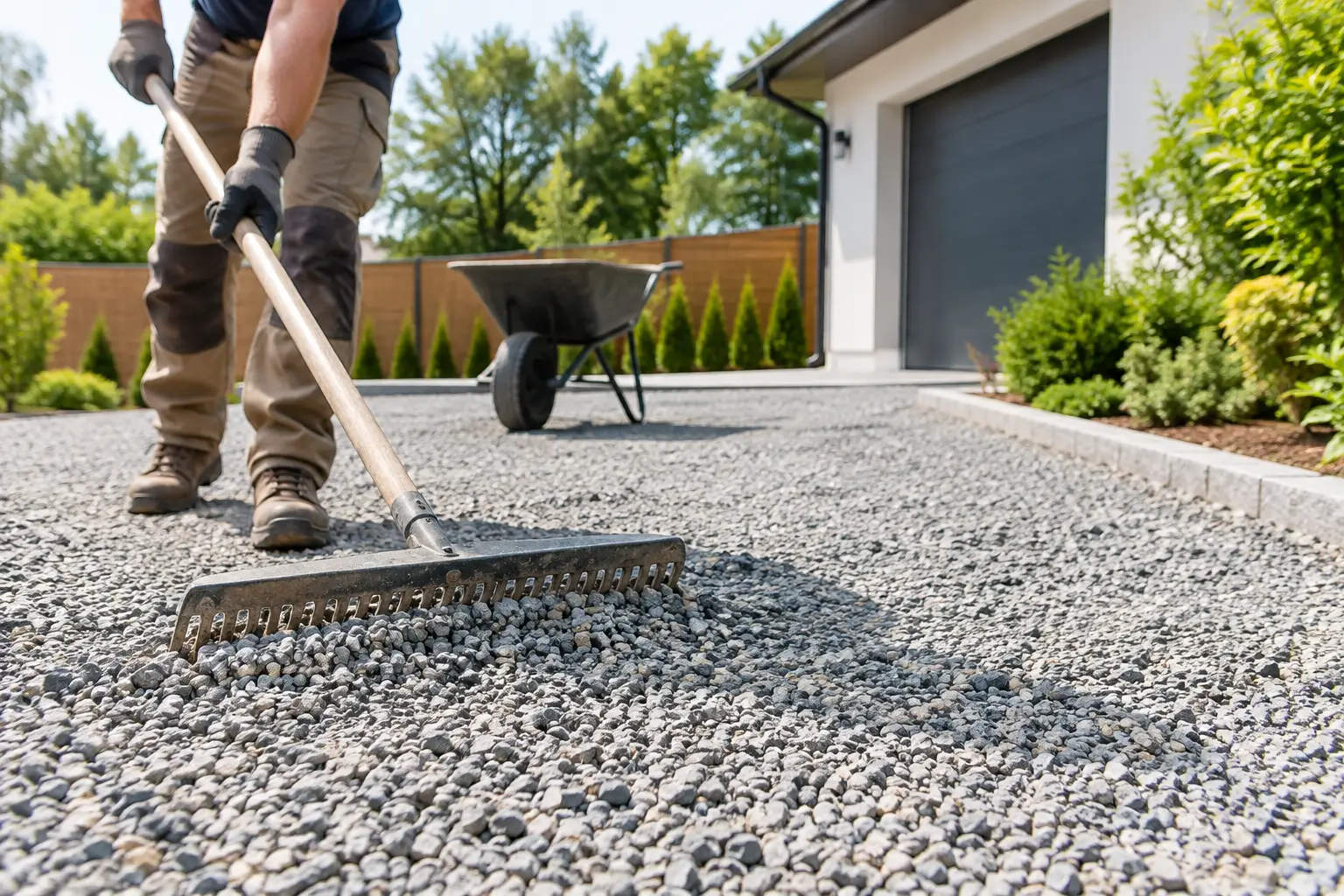
When installing new beds, build with the final grade in mind. Good-quality bulk topsoil can help create a more workable planting zone, while decorative gravel or larger stone may be appropriate in dry creek beds and drainage paths where water needs a defined route. Stone is useful for managing runoff, but it is not a substitute for correcting a slope that sends water toward your home.
French drains and other underground systems can be effective when installed correctly. They need proper slope, appropriate aggregate, a protected perforated pipe, and a legal discharge point. A pipe placed in a flat trench with no outlet will eventually become a buried container of wet soil. For extensive runoff, foundation concerns, or drainage near utilities, bringing in a qualified drainage or landscape professional is often the wiser investment.
Choose Plants for the Conditions You Can Maintain
Even after repairs, some parts of a yard naturally stay wetter than others. Choosing plants that tolerate occasional moisture can reduce frustration and replacement costs. That does not mean every wet spot should be planted with moisture-loving plants, especially if water is standing against the house or washing soil away. First make sure the area is safe and stable.
Pay attention to timing as well. Freshly planted shrubs and perennials need consistent moisture, but they do not need saturated soil. If a bed is installed during a rainy stretch, check the root zone before watering on schedule. A plant can show wilted leaves from root stress even when the ground is already too wet.
For homeowners tackling a refresh or contractors preparing a new installation, material quality matters. Clean aggregate, dependable topsoil, and enough mulch to finish the job properly can prevent last-minute substitutions that compromise the plan. Landscape Source can help customers select bulk materials suited to a bed rebuild, drainage path, or final landscape finish, with pickup and local delivery options that keep the project moving.
When a Drainage Problem Needs Immediate Attention
Call for professional help sooner rather than later if water is pooling near the foundation, entering a crawl space or basement, undermining a retaining wall, or causing a slope to erode. These are not planting-bed issues alone. They can affect the structure and may require a coordinated solution beyond soil amendments or stone.
For ordinary garden drainage, patience pays off. Watch the site through a few rains, correct the path water takes, and give improved soil time to settle. A garden that drains well is easier to plant, easier to maintain, and far more likely to look good long after the next Alabama downpour.
Leave a Reply