

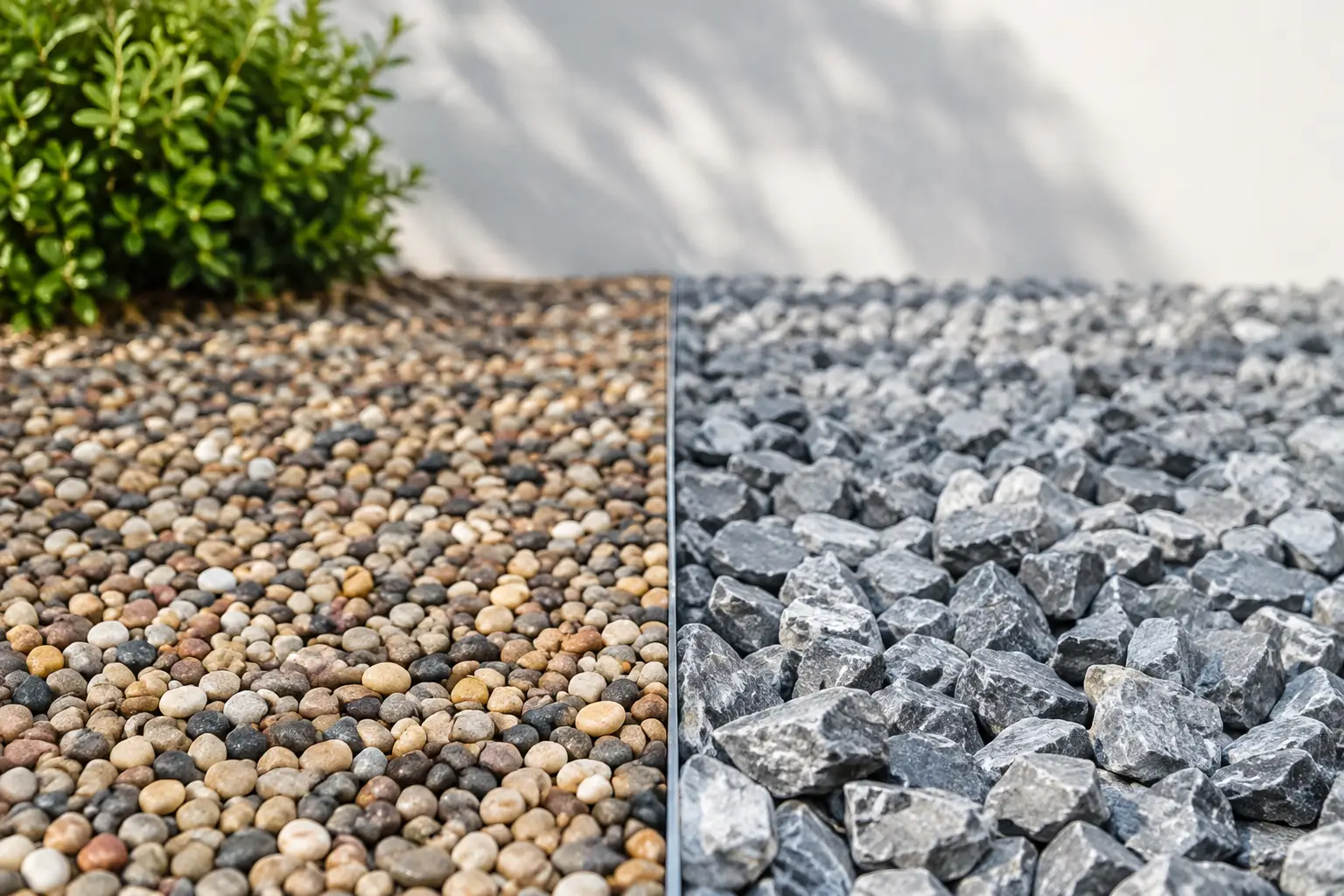
A gravel project can look simple from the road, but the material underfoot determines whether it stays neat, drains well, and feels right to use. When comparing pea gravel versus crushed stone, the best choice comes down to the job – not just the color or the price per yard. A garden path, a parking area, and a drainage run may all use stone, but they need very different performance.
For Birmingham homeowners and landscape crews, choosing correctly before delivery can save time, reduce rework, and help a project hold up through Alabama rain and summer traffic. Here is what separates these two popular bulk materials and where each one makes the most sense.
Pea Gravel Versus Crushed Stone at a Glance
Pea gravel is made of small, naturally rounded stones, usually about the size of a pea. Its smooth shape gives it a softer look and feel than most angular aggregate. Colors vary by source, but pea gravel often has a natural blend of tan, brown, gray, cream, and occasional warm tones that works easily with planting beds and casual outdoor spaces.
Crushed stone is mechanically broken from larger rock, so its pieces have sharp, angular edges. Those edges allow the material to interlock when compacted. Crushed stone is available in several sizes and types, from clean stone used for drainage to mixes containing fines that create a firmer base.
The simplest distinction is this: pea gravel is usually chosen for appearance and a comfortable, loose finish, while crushed stone is often selected for stability, structure, and drainage performance. There is some overlap, but treating them as interchangeable can cause trouble.
When Pea Gravel Is the Better Choice
Pea gravel earns its place in landscapes where texture and a finished appearance matter most. Its rounded pieces are comfortable under bare feet compared with sharper stone, making it a popular choice around patios, fire pits, and casual sitting areas. It also brings a softer, more natural look to cottage-style, traditional, and relaxed Southern landscapes.
In planting beds, pea gravel can provide a clean decorative surface around shrubs, ornamental grasses, containers, and hardscape features. Unlike organic mulch, it will not decompose or need annual replacement. It can be especially useful in areas where wind or heavy rain tends to move lightweight mulch.
Pea gravel also drains well because water moves through the open spaces between the stones. It is a good option for a decorative dry creek feature, around some landscape accents, or in areas designed to shed water rather than support vehicle weight.
The trade-off is movement. Because the stones are round, they do not lock together tightly. Foot traffic can push pea gravel out of place, wheels can create ruts, and the surface may need occasional raking. A strong edging system helps keep it contained. For paths, a compacted base beneath the pea gravel and a defined border make a noticeable difference in how well the area holds its shape.
Places pea gravel may cause frustration
Pea gravel is not usually the first choice for a steep walkway, a busy driveway, or a base beneath pavers. On slopes, the loose stones can migrate downhill. In a driveway, tires tend to scatter it, and the surface may feel unstable under repeated traffic.
It can also be awkward for wheeled equipment. Strollers, wheelbarrows, lawn equipment, and patio furniture legs do not move as easily across a loose pea gravel surface. That does not rule it out, but it is worth considering how the space will be used every week, not just how it will look on installation day.
Where Crushed Stone Performs Best
Crushed stone is the workhorse material for projects that need a firm, dependable base. Its angular pieces grip one another, creating a more stable surface when properly installed and compacted. This makes it a practical choice below patios, pavers, retaining walls, walkways, and other hardscape features.
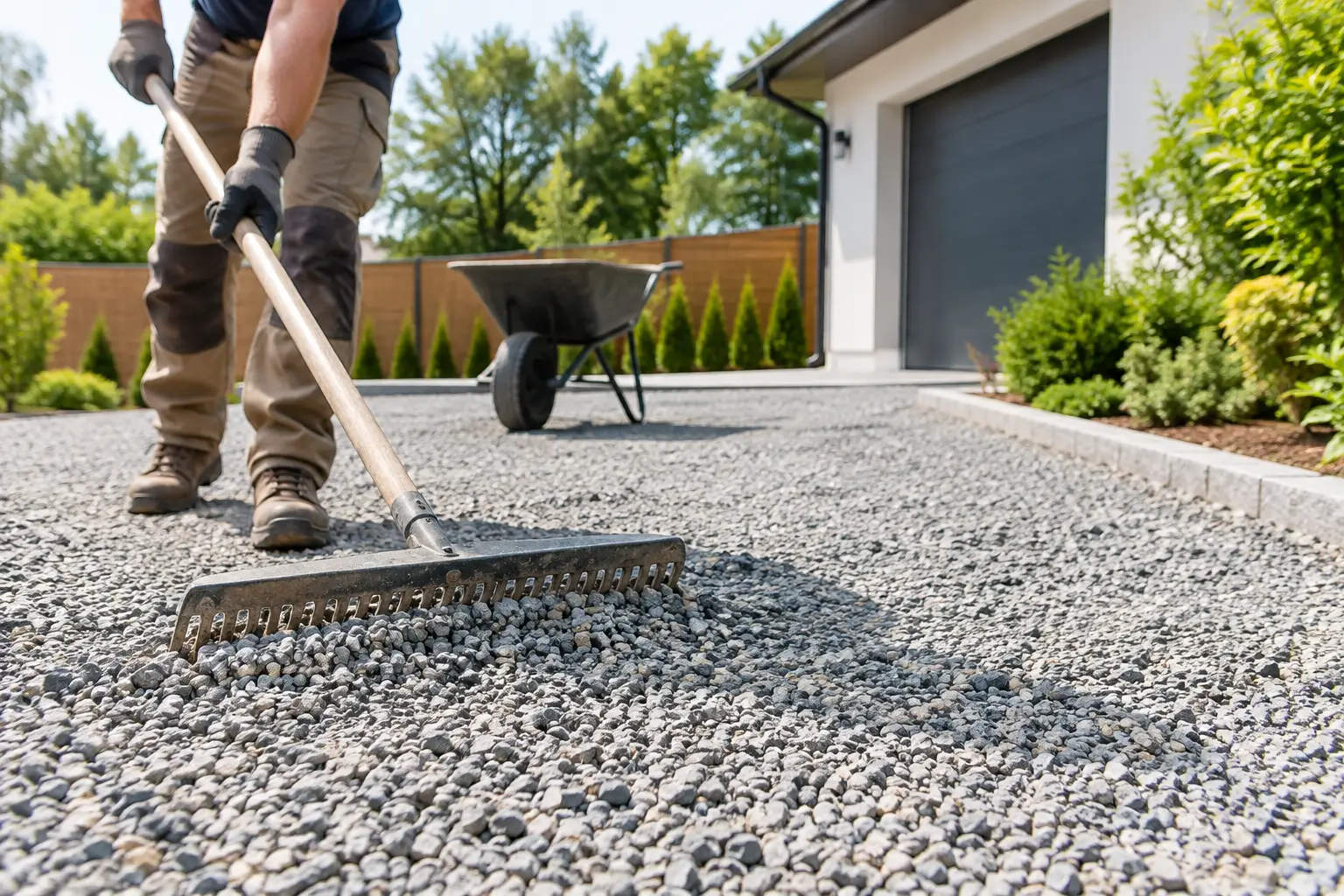
For driveways and parking areas, crushed stone is generally the stronger option. A properly sized crushed stone base distributes vehicle weight better than loose rounded gravel. Depending on the application, a contractor may use a stone-and-fines blend for compaction, then finish with a cleaner aggregate for surface drainage and appearance.
Crushed stone is also common in drainage work. Clean, washed stone with few or no fines leaves open spaces for water to move through. It can be used around drain pipe, in French drains, behind retaining walls, and in other areas where controlling water is part of the job. The exact size matters, so it is best to match the material to the drainage design instead of assuming any crushed stone will work.
For homeowners, crushed stone can still look polished. Light limestone, gray stone, or other decorative crushed products can give paths and beds a more structured appearance than pea gravel. The surface will typically feel firmer, although it may be less comfortable barefoot due to its angular texture.
Understand the role of fines
One of the most important differences within crushed stone is whether it contains fines. Fines are very small particles created during crushing. They help certain materials compact into a dense, solid base, which is helpful under a patio or on a driveway.
However, fines are not always desirable. In a drainage application, they can limit the open voids that allow water to pass through. For that reason, a compactable base material and clean drainage stone serve different purposes. A knowledgeable materials supplier can help confirm which product fits your project before it is loaded or delivered.
Consider Drainage, Soil, and Birmingham Weather
Local conditions should influence your choice. Birmingham-area clay soils can hold water, and intense rain can expose weak base preparation quickly. A beautiful gravel surface will not solve a drainage problem if water has nowhere to go beneath it.
For a decorative bed or level sitting area, pea gravel may be all you need above a prepared, weed-controlled surface. For an area carrying vehicles, supporting pavers, or directing runoff, the layers below matter as much as the visible stone. Grading, fabric selection, edge restraint, and base depth all affect the final result.
Landscape fabric can help separate stone from soil in many applications, but it is not a cure-all. In planting beds, choose a setup that still allows you to plant, amend soil, and maintain irrigation. In drainage projects, use fabric intended to keep soil from entering the stone while allowing water through. The wrong fabric or installation method can create more maintenance later.
Appearance and Maintenance Over Time
Both materials need some attention, just in different ways. Pea gravel often needs periodic raking as stones shift with foot traffic, rain, and landscaping activity. Leaves, pine straw, and soil can settle into the surface, so keeping it clean helps preserve its color and drainage.
Crushed stone typically stays in place better, especially when it has been compacted, but it can still collect debris and may need topping off after years of use. A driveway surface may require occasional grading, particularly after heavy weather or repeated vehicle traffic.
Color is another practical consideration. Natural stone can develop a dusty appearance until rain rinses it, while bright materials can show soil and leaf stains more easily. Viewing the material in person is often the best way to judge its size, color blend, and texture against your home, brick, mulch, or existing hardscape.
How Much Material Should You Order?
Bulk stone is commonly sold by the cubic yard. To estimate what you need, measure the length and width of the area in feet, then decide on the desired depth. Decorative gravel is often installed at a shallower depth than driveway base material, while drainage trenches and structural projects may require substantially more depth.
Depth should match the job. Too little material allows bare spots and soil to show through quickly. Too much can make a walkway feel loose or bury nearby edging. For larger projects, account for the base layer and the finish layer separately rather than ordering one material to do both jobs.
If you are unsure of the coverage or material type, bring your measurements to Landscape Source. A quick conversation before ordering can help you avoid coming up short, paying for unnecessary excess, or selecting stone that does not fit the application. Delivery placement also matters, especially when a project involves multiple materials or a crew working on a schedule.
Make the Choice Based on How the Area Will Be Used
Choose pea gravel when you want a rounded, decorative finish for beds, patios, fire-pit areas, or light-use paths and are comfortable with occasional raking. Choose crushed stone when the surface needs to compact, carry weight, create a stable base, or move water through a planned drainage system.
Many successful landscapes use both. Crushed stone can provide the hidden base and drainage support, while pea gravel creates the relaxed finished look in the spaces where people gather. Start with the use of the area, prepare the ground well, and select a material that will still serve the project after the next heavy rain.
Leave a Reply