

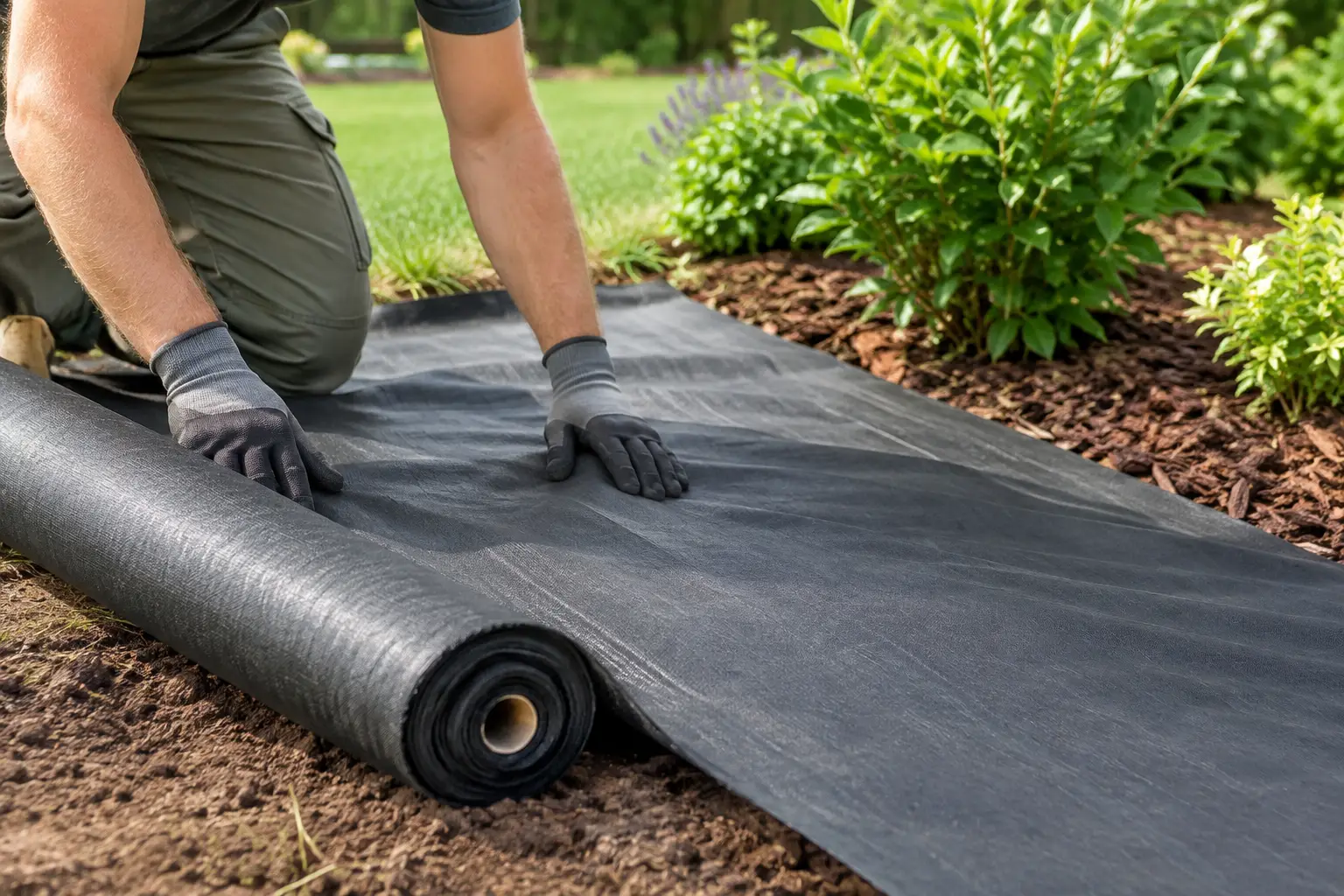
A freshly mulched bed can look finished in an afternoon, but the weeds underneath have a different schedule. When you install weed barrier fabric properly, it can reduce weeding in ornamental beds and keep gravel areas looking cleaner. The key is treating fabric as one part of the project, not a shortcut around bed preparation, edging, or a quality top layer.
For Birmingham-area landscapes, weed barrier is especially useful beneath decorative gravel, river gravel, marble, limestone, and other stone where pulling weeds later is inconvenient. It can also work well in established shrub beds. It is not the right answer for every garden, though. Vegetable gardens, annual flower beds, and areas you plan to rework often are usually better managed with mulch, compost, and regular cultivation instead.
Choose the Right Weed Barrier for the Job
Landscape fabric comes in different weights and materials. For a permanent gravel path, patio border, or stone bed, choose a durable, permeable landscape fabric that will hold up under foot traffic and the weight of aggregate. A lighter fabric may be enough for a simple ornamental bed with mulch, provided the area has good drainage and will not be disturbed often.
Avoid plastic sheeting under most planting beds. Plastic blocks water and air from reaching the soil, which can stress shrubs and create puddling after a hard Alabama rain. Woven or nonwoven landscape fabric designed to allow moisture through is the better choice where plants are growing.
Fabric also cannot solve an existing weed problem by itself. Bermuda grass, nutsedge, and other aggressive weeds may push through seams, emerge at planting holes, or grow on top of the fabric in windblown soil. Remove as much living vegetation as possible before installation. That effort makes a noticeable difference later.
Gather Materials Before You Start
Having the job site ready keeps the fabric clean and makes installation much easier. For most beds or gravel areas, you will need landscape fabric, fabric staples or pins, a sharp utility knife or scissors, a rake, shovel, measuring tape, and work gloves. You may also need edging, marking paint, a wheelbarrow, and your chosen mulch or decorative stone.
Plan your top layer before ordering materials. Mulch generally needs enough depth to cover the fabric and give the bed a finished appearance. Gravel and stone need a stable, even base and adequate depth for coverage. If you are refreshing a large bed or installing a new rock feature, ordering bulk materials can be more practical than making repeated trips for bags.
Prepare the Bed Before You Install Weed Barrier Fabric
Preparation is where a neat, long-lasting result begins. Start by outlining the bed or path. Use a garden hose to test curved lines, or mark straight edges with string. A clear outline helps you calculate fabric and material quantities while preventing a bed from looking uneven once mulch or stone is installed.
Next, remove weeds, grass, old roots, and debris. Dig out large clumps instead of simply cutting them at ground level. If you are working around established shrubs or trees, take care not to damage surface roots. Rake the soil smooth and remove sharp rocks, sticks, and construction debris that could tear the fabric.
Leveling depends on the project. A mulched planting bed can follow the natural contour of the yard, but it should not have low spots where water collects. A gravel walkway or sitting area needs more careful grading. Build a slight slope away from the home so rainfall has somewhere to go.
Install permanent edging before laying the fabric whenever possible. Metal, stone, paver, or heavy-duty plastic edging gives mulch and gravel a defined boundary. It also helps keep the top layer from migrating into grass or onto driveways after storms and routine yard work.
Lay the Fabric With Overlap and Secure Edges
Roll out the fabric across the prepared surface, keeping it as flat as possible. Do not stretch it tightly. A small amount of give allows the fabric to settle with the ground without tearing. Place the material so water can move naturally down the slope rather than trapping it behind a raised fold.
When two pieces meet, overlap them by at least 6 inches. For gravel paths or areas with persistent weeds, 8 to 12 inches of overlap is a safer choice. Weeds look for openings, and narrow seams are often the first place they appear.
Secure the fabric with staples around the perimeter and along each overlap. In a small mulch bed, staples spaced every few feet may be enough. Use more pins on slopes, in windy areas, or beneath stone, where shifting fabric is harder to correct after the top layer is down. Press staples fully into the ground so they do not create bumps under the mulch or gravel.
If fabric extends beyond the edge of the bed, trim it carefully after it is secured. Leave enough material to reach just inside the edging, but do not allow it to curl upward where it can become visible.
Cutting Around Existing Plants
For established shrubs, make a straight cut from the fabric edge to the plant, then cut a small X or circle around the base. Keep the opening only as large as needed to fit around the stem or trunk. Large exposed openings invite weeds and make the fabric less effective.
Do not wrap fabric tightly against a tree trunk or shrub stem. Leave a little breathing room, and keep mulch pulled back from woody stems. A mulch volcano against a tree can hold excess moisture against the bark and lead to plant health problems.
Planting Through Landscape Fabric
If you are installing new shrubs or perennials, place the fabric over the prepared bed and mark planting locations before cutting. Cut a small X, fold back the flaps, and dig the planting hole through the opening. After planting, return the fabric flaps toward the plant without covering the root ball or burying the stem.
This approach works best for a mostly permanent landscape bed. If you enjoy changing annual flowers every season, fabric becomes more trouble than help. Repeated cuts weaken the material, and annuals need frequent access to the soil.
Add Mulch or Decorative Stone Promptly
Landscape fabric should not remain exposed for long. Sunlight can shorten its service life, and exposed fabric collects dust, leaves, and debris that eventually become a growing medium for weed seeds. Cover it the same day if possible.
For mulch beds, spread the material evenly with a rake, usually keeping it a few inches deep. The right depth depends on the mulch type, existing soil level, and plants in the bed. Avoid piling mulch against foundations, siding, tree trunks, or plant stems.
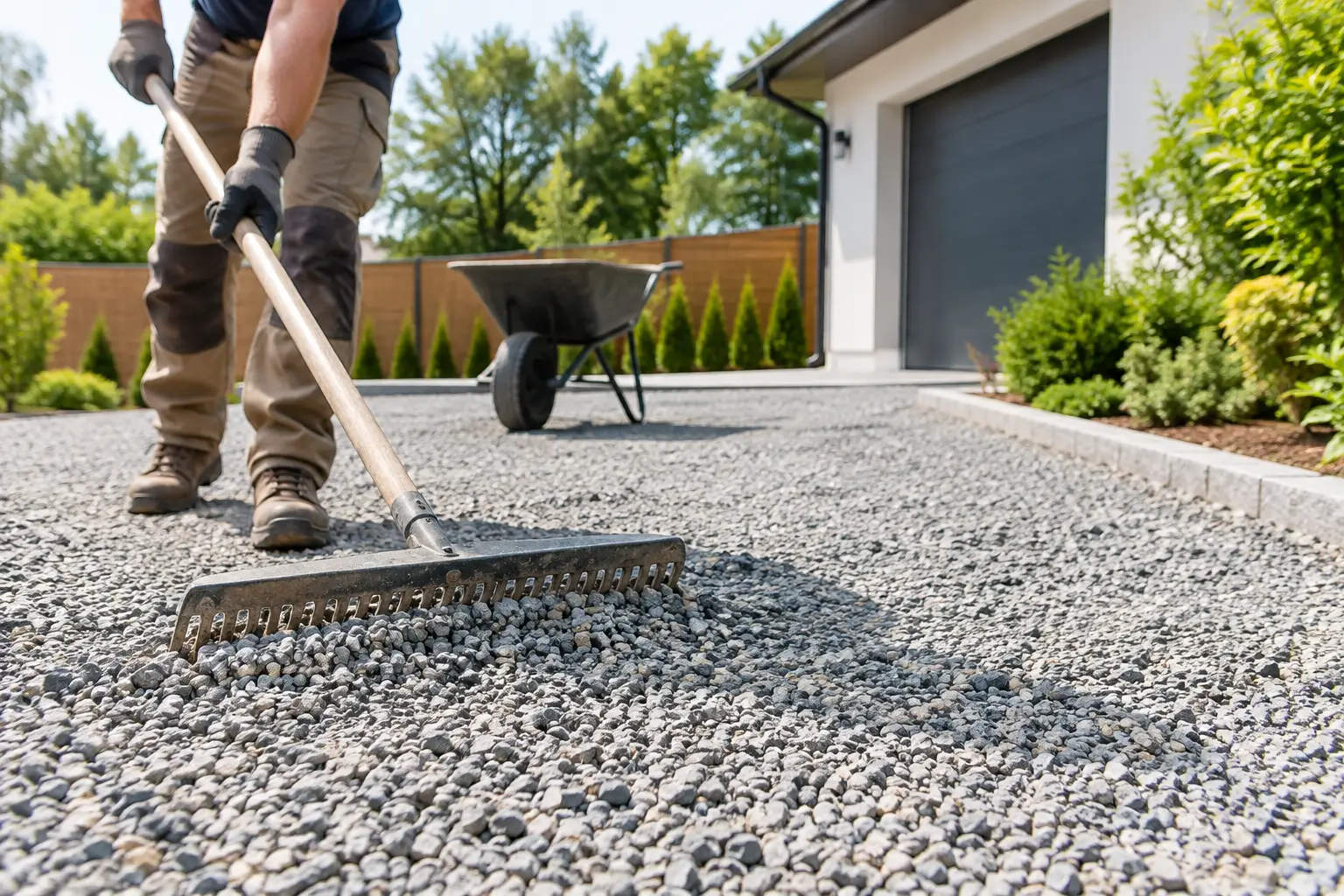
For gravel beds and pathways, distribute stone in manageable loads and rake it to an even depth. A heavier decorative stone may stay in place better than light materials in areas with runoff, while smaller gravel can be more comfortable for walking. The best choice depends on whether the space is decorative, functional, or both.
Landscape Source Inc. can help homeowners and crews choose bulk mulch, gravel, and stone for the finish you have in mind, with local delivery that can save time on larger projects. Clear placement instructions at delivery are especially helpful when material needs to go near a new bed, side yard, or backyard work area.
Maintain the Bed Without Damaging the Fabric
Even a well-installed barrier needs occasional attention. Pull weeds while they are small, especially those growing in accumulated debris on top of the mulch or stone. Do not use a shovel to aggressively turn the bed, since deep digging can tear the fabric and bring buried weed seeds to the surface.
Add mulch as it settles and replenish gravel that shifts from foot traffic or weather. Check exposed edges and seams once or twice a year. If you find a loose section, tuck it back into place and add staples before the problem spreads.
For many Birmingham landscapes, the best-looking beds are not the ones that never need maintenance. They are the ones built with sound preparation, good materials, and a layout that makes routine care simple. Start with a clean base, choose a top layer that suits how you use the space, and give the finished bed a few minutes of attention through the season.

Leave a Reply