

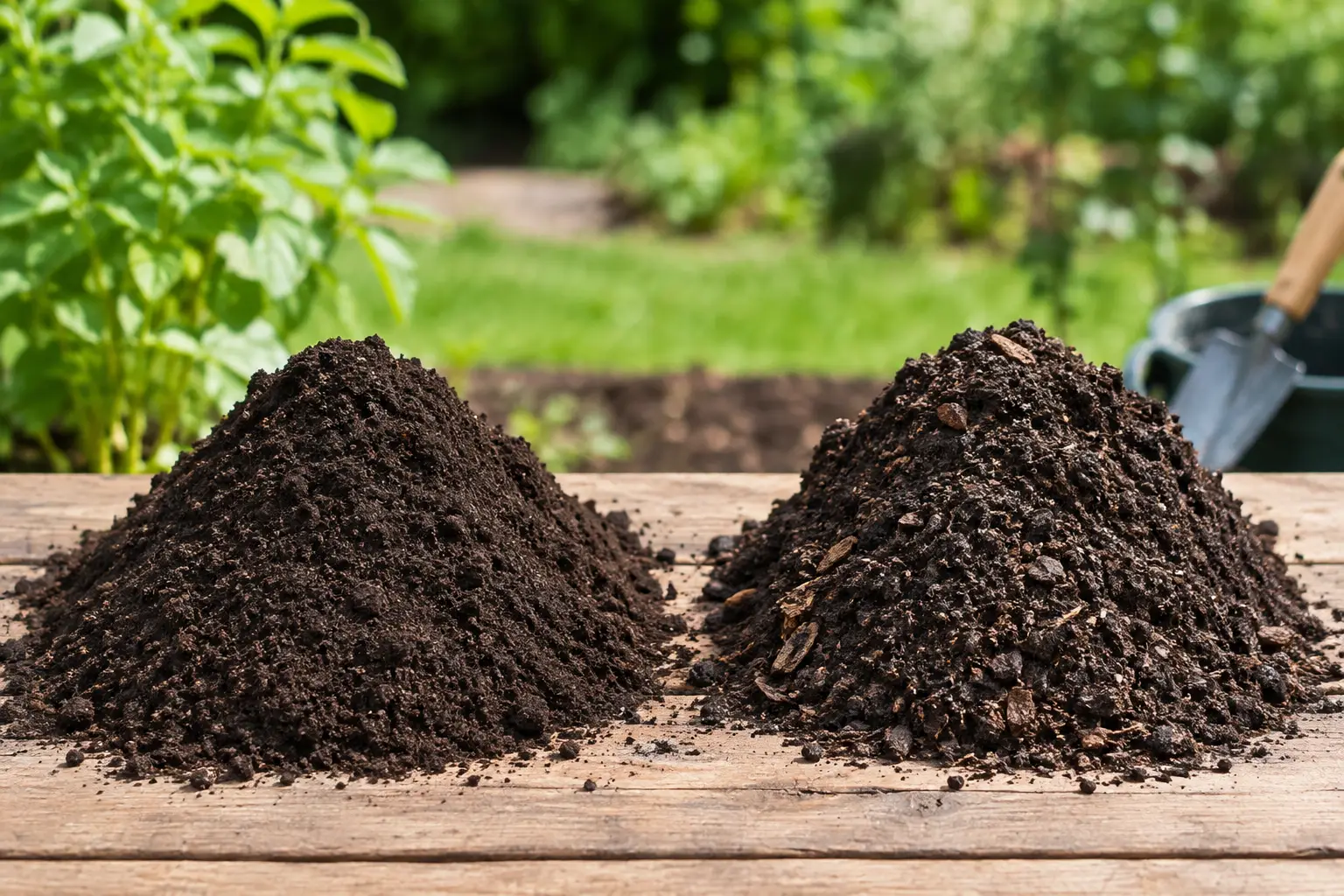
A few yards of soil can make a major difference in a Birmingham property, but only when the material matches the job. The question of topsoil versus garden soil comes up often at the landscape yard because both products look similar from a distance, yet they are meant to solve different problems. Put garden soil under a new lawn, and you may spend more than needed. Use basic topsoil in a vegetable bed without improving it, and your plants may not get the richer growing environment they need.
The practical answer is simple: topsoil is usually the better choice for building, leveling, and repairing the ground itself. Garden soil is typically the better choice for planting beds where flowers, shrubs, vegetables, or other plants need added organic matter. Understanding that difference helps homeowners buy the right amount of bulk material the first time and helps landscape crews keep projects moving.
Topsoil Versus Garden Soil: The Main Difference
Topsoil is the upper layer of natural soil, screened and prepared for landscape use. Its texture can vary based on the source, but quality screened topsoil is generally used to add soil depth, fill low areas, establish lawns, grade around landscaping, and create a workable base for planting areas. It is a foundational material.
Garden soil is a planting mix. It often starts with topsoil and includes additional organic material, such as compost or other amendments, to support plant growth. Those ingredients can improve moisture retention, nutrient availability, and the loose texture that plant roots prefer. Garden soil is designed less for large-scale grading and more for the active root zone around plants.
Neither is automatically better. The right choice depends on whether you are changing the shape and depth of the site or preparing a place for plants to grow.
When Topsoil Is the Right Choice
Topsoil earns its place on projects that need volume, coverage, and a natural soil base. If a yard has settled near a driveway, washed out along a slope, or developed uneven places after construction, topsoil can restore the grade before grass or landscaping goes in.
It is also commonly used when starting a new lawn. A thin layer of screened topsoil can help smooth rough ground, cover shallow ruts, and give grass seed or sod a more consistent surface. For a lawn renovation, the goal is usually not to bury existing turf under several inches of soil. Instead, use enough material to correct the surface and improve the seedbed, then follow the recommended planting method for your grass type.
Topsoil is a practical option for filling raised areas behind retaining edges, building up low spots in future beds, or creating the base layer for a new landscape area. On a large project, its cost per yard often makes more sense than paying for a richer planting mix across an entire space.
Topsoil works well for these jobs
Use topsoil when you are filling low spots, leveling a lawn, preparing ground for sod, shaping grades, backfilling landscape areas, or building the base depth of a new bed. It can also be part of a planting project, but it may need compost or other amendments mixed in if the plants require richer soil.
For Birmingham-area properties, topsoil can be especially helpful where heavy red clay has been exposed during construction or drainage work. Clay is not always bad soil, but it can compact tightly and drain slowly. Adding quality soil and working it into the top layer can give roots a better place to establish.
When Garden Soil Makes More Sense
Garden soil is meant for places where plants will actually live. Flower beds, vegetable gardens, herb gardens, shrub borders, and raised planting areas are all good candidates. Its added organic content helps create a more hospitable environment for roots than plain fill soil alone.
That does not mean garden soil should be used as a universal fix. Filling a deep hole or leveling half an acre with a premium planting mix is usually unnecessary and expensive. Garden soil belongs near the surface, where roots, water, and nutrients are working together.
If you are planting annual color around a front entry, adding a vegetable garden behind the house, or refreshing tired beds before installing shrubs, garden soil can provide the better starting point. Blend it into the existing native soil rather than leaving a sharply defined pocket of new material. Roots grow more naturally when the soil transitions gradually beyond the planting hole.
A note about raised beds
Raised beds are one area where garden soil is often the better fit, especially for vegetables and herbs. Plants in raised beds depend entirely on the material placed inside them. A soil that holds moisture while still allowing excess water to drain gives those plants a more dependable start.
Very deep raised beds may benefit from a layered approach. Use an economical soil base to fill lower depth where appropriate, then reserve the richer garden soil for the upper portion where most feeder roots will grow. The exact mix depends on what you are planting and how deep the bed is.
Don’t Judge Soil by Color Alone
Dark soil can look rich, and reddish soil can look poor, but color is only one clue. Texture, screening, drainage, organic matter, and the intended use matter much more than appearance. A dark garden mix may be ideal for a flower bed but not necessary for a grading project. A clean, screened topsoil may be exactly what a lawn needs even if it does not look like bagged potting mix.
It also helps to keep soil products in their proper roles. Potting soil is formulated for containers, where drainage and air space are different from in-ground planting. Compost is an amendment that adds organic material, not always a stand-alone replacement for soil. Fill dirt is typically used for bulk filling and grading and is not the same thing as screened topsoil.
Asking what you are planting, how much area you need to cover, and how deep the material should be will lead to a better recommendation than asking for the darkest soil available.
How Much Soil Do You Need?
Bulk soil is usually measured by the cubic yard. One cubic yard covers about 324 square feet at a 1-inch depth, 162 square feet at a 2-inch depth, or 108 square feet at a 3-inch depth. Those estimates make it easier to plan before a delivery truck arrives.
For example, a 12-by-20-foot flower bed contains 240 square feet. Adding 2 inches of garden soil or an amended planting mix requires roughly 1.5 cubic yards, though it is wise to allow a little extra for uneven ground and settling. A lawn project covering 1,000 square feet at 1 inch deep requires a little over 3 cubic yards of topsoil.
Depth matters. A light topdressing is useful for smoothing a lawn, while a new planting bed may need several inches of workable material incorporated into the existing ground. Buying too little can delay the project. Buying far too much creates an extra pile to move, so measurements are worth taking before ordering.
Delivery and Site Preparation Matter Too
Soil is easy to spread once it is in the right place. Before delivery, choose a clear, accessible drop area that will not block vehicles or create problems for neighbors. Keep in mind that a bulk soil pile is heavy, and it is much easier to move it a few feet into a bed than across a long driveway or yard.
For contractors, consistent material and clear delivery instructions can protect a job schedule. For homeowners, a quick conversation about the project can prevent common mistakes, such as ordering garden soil for a large fill area or ordering plain topsoil for a high-demand vegetable garden. At Landscape Source Inc., the goal is to make bulk material purchasing straightforward, whether you are picking up a few yards or coordinating delivery for a larger installation.
Choose for the Job, Then Build From There
Topsoil gives you the ground to work with. Garden soil helps create a better growing zone for plants. In many successful projects, both have a role: topsoil establishes the grade and depth, then garden soil or organic amendments improve the planting area near the surface.
Bring your measurements, a simple description of what you are planting, and a clear idea of where the material needs to go. A good soil choice at the start gives lawns, beds, and new landscapes a better chance to look established for years, not just the first weekend after the work is done.
Leave a Reply