

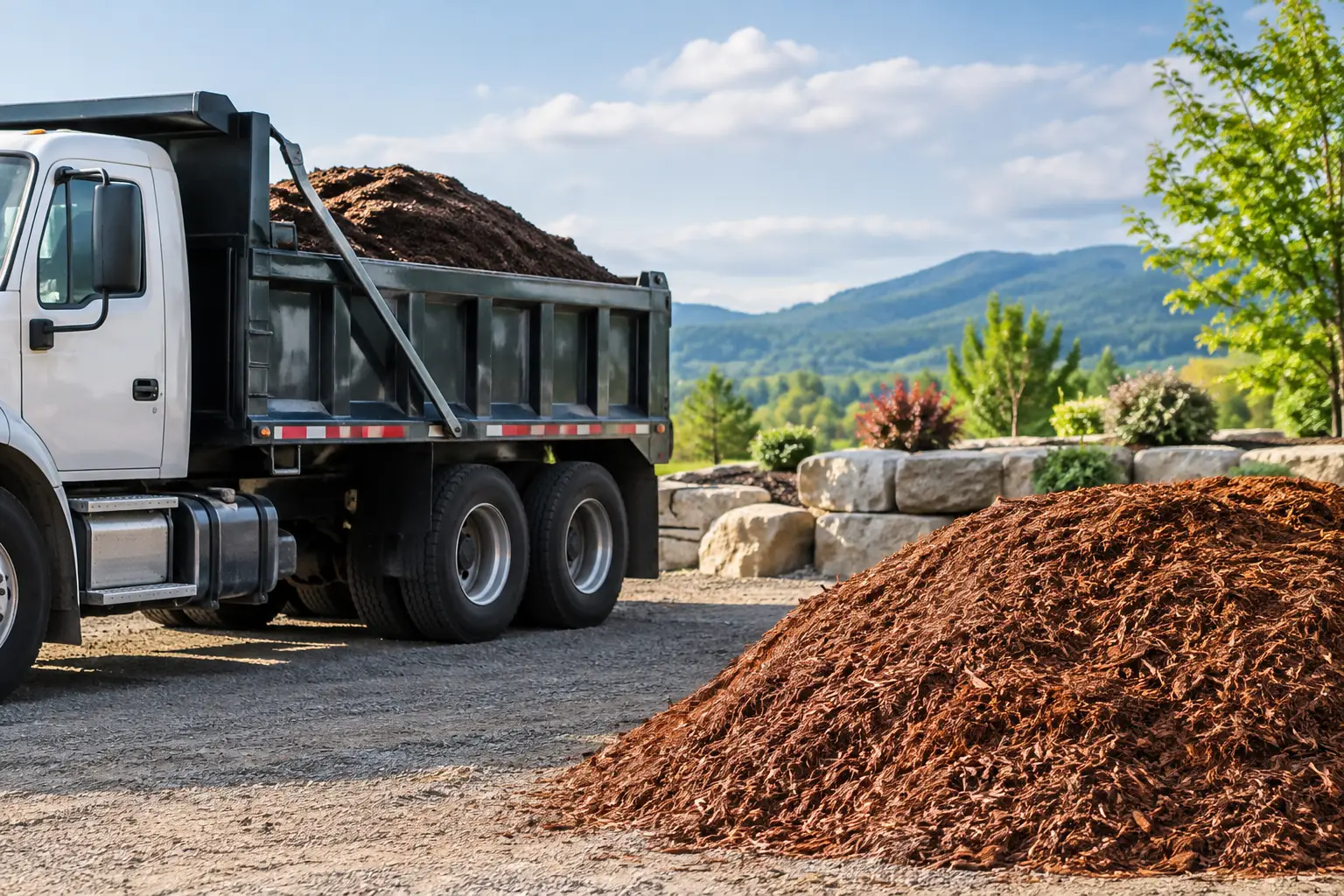
A fresh load of mulch can make a front bed look finished by lunchtime. Gravel can turn a muddy side yard into a useful walkway in a day. The difference between a quick improvement and a frustrating project often comes down to having the right material delivered to the right spot. This Jefferson County delivery guide helps homeowners and landscape crews plan bulk material delivery with fewer surprises.
Landscape Source supplies the materials Birmingham-area properties use most, from premium mulch and screened topsoil to decorative stone, sand, limestone, river gravel, and red rock. Whether you are refreshing a few planting beds or keeping a multi-property schedule on track, a little preparation helps your delivery go smoothly.
Start With the Material Your Project Actually Needs
Bulk delivery saves trips, time, and the hassle of loading dozens of bags into a vehicle. Still, the best material depends on the job. A product that looks great around a mailbox may not be the right choice for leveling a lawn or building a driveway base.
Mulch is a practical choice for flower beds, trees, and shrubs. It gives beds a finished appearance while helping the soil hold moisture and reducing weed growth. Color matters, but so does coverage. A fresh layer is usually enough for maintained beds, while neglected or newly created beds may need more material.
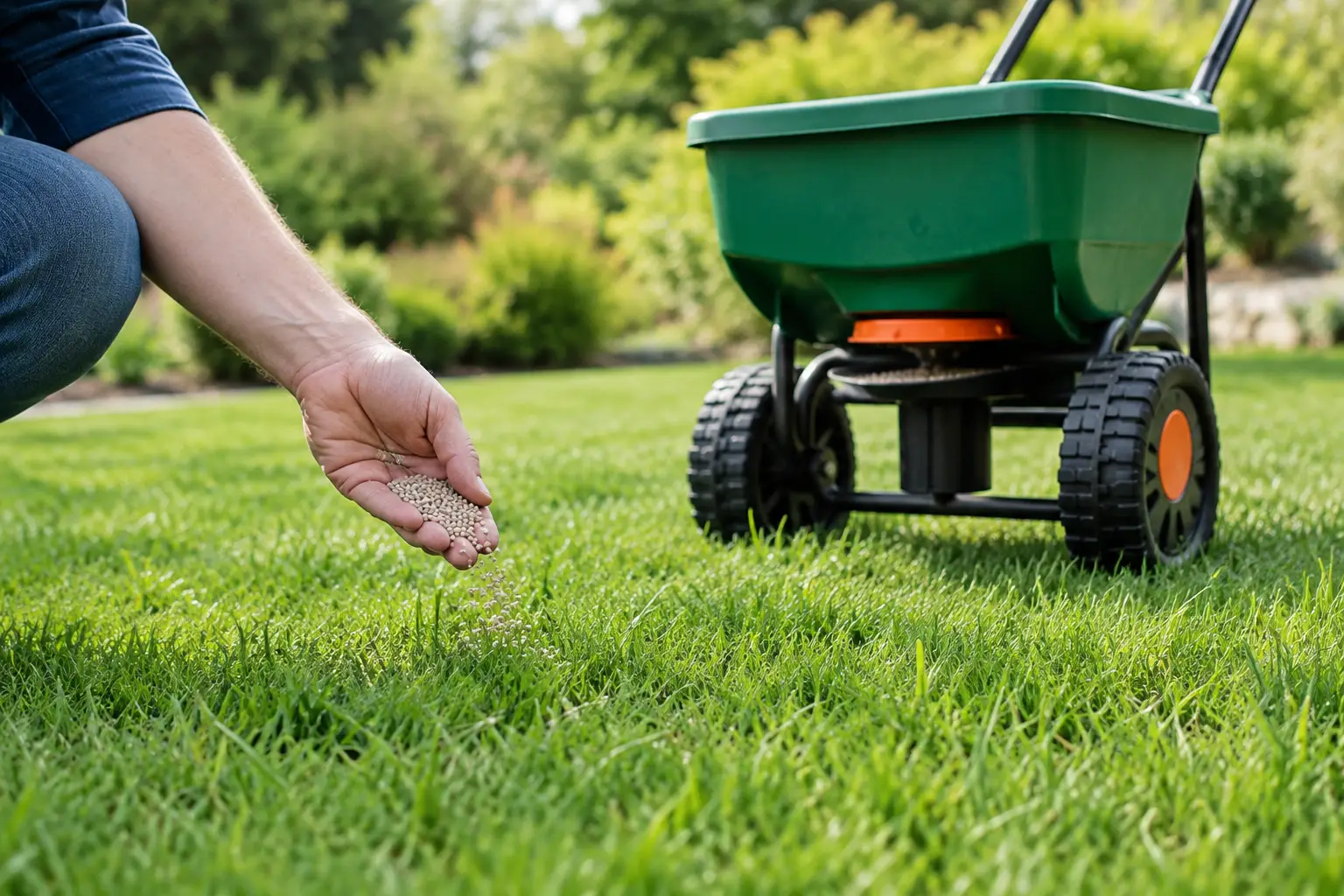
Topsoil is for areas that need better growing conditions, such as filling low spots, preparing a new lawn, or building garden beds. If you are planting, consider what is already in the ground. Good topsoil can improve a poor site, but it is not a substitute for fixing drainage problems or removing construction debris first.
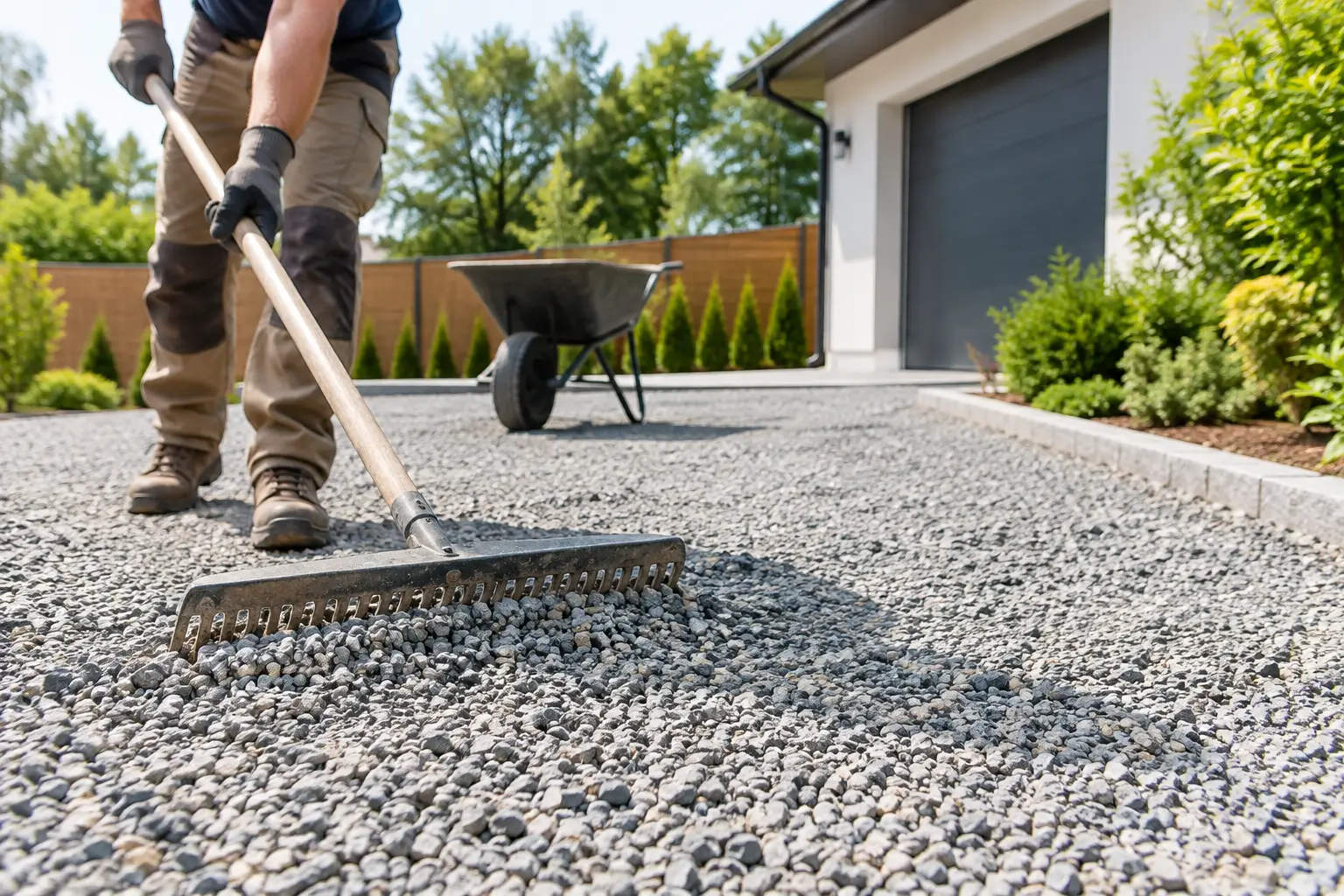
Gravel and stone serve several purposes. Decorative gravel, marble, river gravel, and red rock can provide a clean, long-lasting finish around plantings, paths, and hardscape features. Limestone and other aggregate materials may be better suited to functional projects such as driveways, drainage areas, and base preparation. Stone does not break down like mulch, but it is harder to remove or change later. That trade-off is worth considering before covering a large area.
Jefferson County Delivery Guide: Measure Before You Order
The easiest way to avoid ordering too little or too much is to measure the project area before calling or visiting the yard. For a rectangular bed, multiply the length by the width to find square footage. For curved beds, break the space into smaller, simple sections and add them together. Then decide how deep you want the material installed.
For mulch, many homeowners choose a depth of about 2 to 3 inches. A thinner layer may not provide the coverage you expect, while piling mulch too deeply around plants and tree trunks can create problems. Keep mulch pulled back from the base of trees and shrubs rather than building a raised mound around them.
For soil, gravel, and stone, the needed depth depends on the project. A shallow decorative stone layer uses far less material than a deep gravel base for a parking area. This is where an approximate measurement and a quick conversation with an experienced yard team can save money. Bring the length, width, and intended depth, and ask for help translating those numbers into cubic yards.
Ordering a little extra can make sense if the area is irregular, if you expect settling, or if you are working around slopes and mature landscaping. On the other hand, ordering far more than needed can create a second project: finding a place to use or store the leftovers. Accuracy is usually the best value.
Prepare the Delivery Area Before the Truck Arrives
Delivery day goes better when the placement area is clear and instructions are decided ahead of time. Bulk materials are heavy, and a loaded truck needs a safe route to the drop location. Think beyond the driveway entrance. Consider overhead limbs, utility lines, gates, parked vehicles, narrow turns, soft ground, and the room required to maneuver.
Before scheduling delivery, take care of these details:
- Move vehicles, trailers, basketball goals, and other obstacles from the planned route.
- Mark or clearly describe the preferred drop location, especially for homes with multiple driveways or shared access.
- Let the supplier know about steep driveways, tight gates, low branches, or other access concerns.
- Choose a firm, accessible surface when possible, particularly after heavy rain.
A driveway is often the simplest placement location, but it is not always ideal for the work itself. If the material can be placed closer to the project without damaging turf, blocking traffic, or creating an unsafe situation, it can save substantial wheelbarrow time. Clear communication matters. Tell the delivery team where you want the material placed and mention any property features they should avoid.
There are limits to every property. A truck cannot safely cross soft lawns, fit through narrow residential gates, or pass beneath low wires just because the project is in the backyard. When direct access is not possible, plan for a driveway or street-side drop that allows you to move material from there. The right placement is the closest safe, practical location.
Choose Delivery Timing That Supports the Work
For homeowners, delivery timing often depends on when you can spread the material. Mulch and stone can sit for a short time, but a pile in the middle of a driveway can quickly become inconvenient. Schedule when you have a clear plan for moving it, or when your installer will be on site.
For contractors, timing affects labor, equipment, and the next job on the schedule. Order enough lead time to account for weather, site readiness, and crew availability. A dependable local supplier can help keep a project moving, but no delivery plan can overcome a blocked site or an unprepared access route.
Weather deserves attention in Jefferson County. Rain can soften lawns and make steep or unpaved areas difficult to access. It can also turn soil work into a mess if grading, spreading, or planting is planned for the same day. During dry stretches, dust and hard ground may affect how easily certain materials can be spread. Build a little flexibility into your schedule, especially for larger jobs.
Pickup or Delivery: Which Makes Better Sense?
Pickup works well for smaller quantities, last-minute needs, or customers who already have a suitable truck or trailer. It also gives you the option to see materials in person and load up when your schedule allows. For bagged products, lawn chemicals, herbicides, pesticides, or a few bales, pickup may be the most convenient choice.
Delivery is usually the better value for bulk orders. A cubic yard of material is more than many homeowners expect, and hauling loose material in an undersized vehicle can be messy, inefficient, and unsafe. Bulk delivery also allows professional crews to stay focused on installation instead of making repeated supply runs.
The decision comes down to quantity, equipment, access, and time. If your project needs several yards of mulch or stone, delivery often makes the job easier from the start. If you need a small amount to finish a bed, pickup may be the faster option.
Get Clear Before You Place the Order
A good order starts with a few straightforward details: the material type, quantity, delivery address, preferred placement area, and any access notes. If you are uncertain about the material or amount, ask before the truck is loaded. It is easier to adjust an order at the yard than after a delivery reaches your property.
Professional landscapers may also want to confirm whether materials for separate project phases should arrive together or on different days. A load of base material, decorative stone, and mulch can be useful on one site, but only if there is enough room to stage it without mixing products or blocking the work area.
For residential projects, take a final walk from the street to the intended drop point. Look for the practical details you may overlook every day: a low-hanging branch, a parked car, a sprinkler head near the driveway edge, or a gate that does not open as wide as you thought. A two-minute check can protect your property and help the driver place the load cleanly.
The best landscape delivery is not complicated. Measure carefully, choose materials that fit the purpose, prepare a safe access route, and share clear placement instructions. With quality bulk materials delivered where you can use them, your weekend project or client job can get underway with less waiting and a lot less hauling.

Leave a Reply