

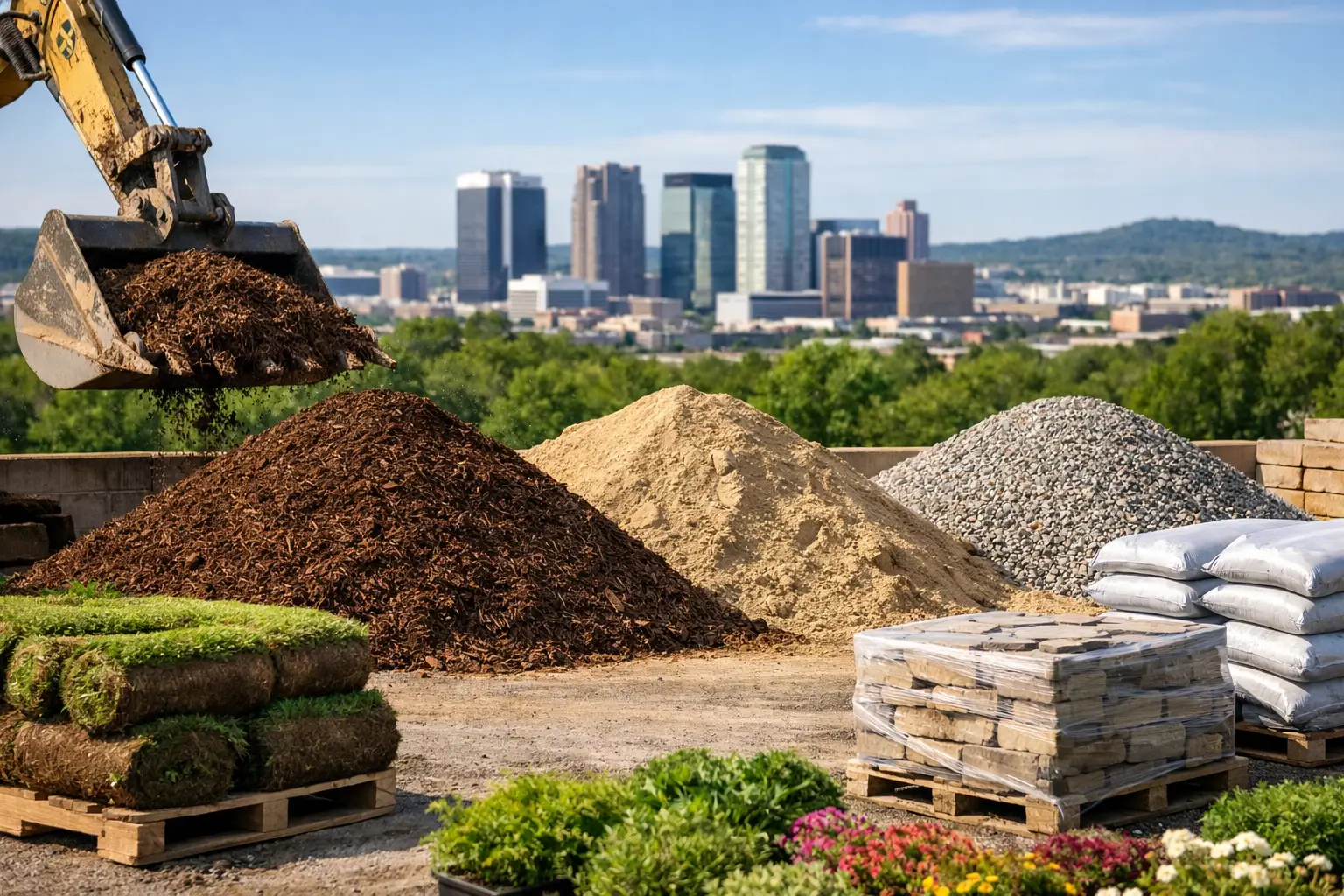
A Birmingham yard can change quickly with a few yards of the right material. Fresh mulch gives tired beds a finished look, quality topsoil helps new plantings establish, and decorative stone can turn a muddy path into a clean, durable feature. The difference is not just what you buy. It is buying enough of it, choosing a material that fits the job, and getting it where it needs to go without turning a weekend project into a string of pickup-truck trips. That is where bulk landscape supplies make practical sense.
For homeowners, buying by the yard often means better value and a more consistent finished appearance. For landscape crews, it means dependable material quantities, fewer delays, and a better chance of keeping a client project on schedule. The goal is simple: start with a clear plan, choose quality materials, and arrange pickup or delivery that works for the property.
Why Bulk Landscape Supplies Make Sense
Bagged products have their place. They are convenient for filling a few small planters, touching up a thin spot in a bed, or handling a repair where only a little material is needed. But once a project includes several beds, a larger lawn area, a driveway edge, or a new landscape installation, individual bags become expensive, time-consuming, and difficult to keep consistent.
Bulk materials are sold by volume, typically by the cubic yard, which gives you a more practical way to purchase mulch, soil, sand, gravel, and stone for larger work. Instead of trying to estimate how many bags will fit in a cart, you can match the order to the square footage and depth of the project. A knowledgeable yard team can help confirm the quantity before the material is loaded or scheduled for delivery.
Bulk buying also helps maintain a uniform look. Mulch color, gravel size, and soil texture can vary between bagged batches. Ordering the needed amount at once gives a landscape bed, pathway, or work site a more consistent finish.
Start With the Job, Not the Material Name
Many landscape materials sound interchangeable until they are installed. Topsoil, fill dirt, compost blends, sand, crushed limestone, river gravel, and decorative marble all serve different purposes. Choosing based only on appearance or price can create extra work later.
Mulch for Beds That Look Finished
Mulch is one of the fastest ways to improve curb appeal. It creates a clean contrast around shrubs and flowers, helps hold moisture in the soil, and provides a finished edge along foundations, trees, and walkways. For established beds, a layer around 2 to 3 inches deep is usually enough to refresh the appearance without piling material too high around plant stems or tree trunks.
The best mulch choice depends on the look you want and how often you plan to refresh it. Some homeowners prefer a natural, understated color, while others want a darker mulch that makes green foliage stand out. Quality matters here. A clean, consistent mulch spreads more easily and gives the bed a more polished result.
Soil for Growing, Grading, and Repairing
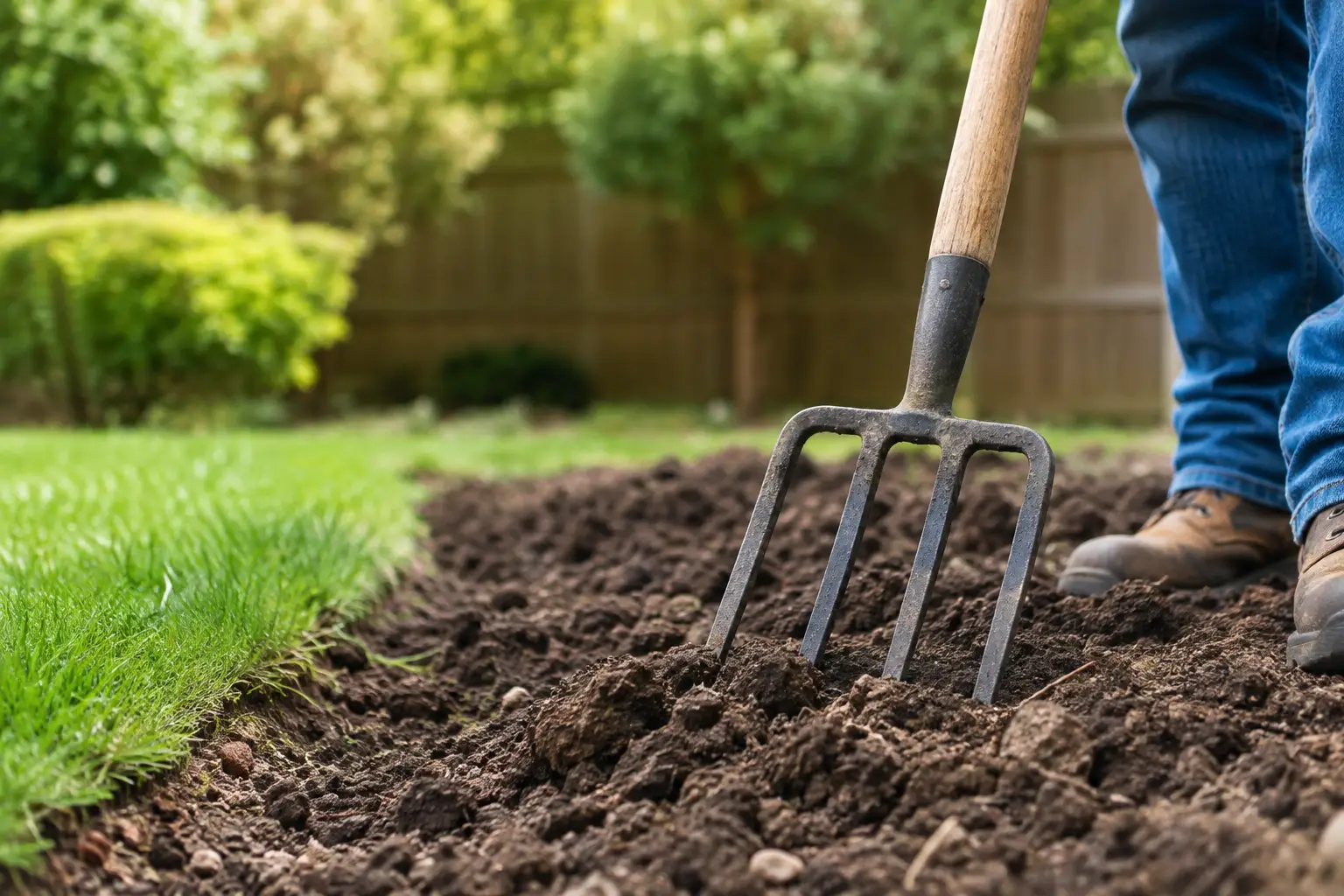
Soil should match the task. A gardener building raised beds or preparing a vegetable plot needs a soil product that supports healthy growing conditions. A homeowner filling low areas in a lawn may need material better suited for grading before sod or seed is installed. Mixing up those purposes can lead to poor drainage, uneven settling, or disappointing plant growth.
Before ordering, consider what will sit on top of the material. Will it support grass, flowers, shrubs, or a hardscape base? Is the area low and prone to holding water after heavy Birmingham rain? Those details help determine whether topsoil, fill material, sand, or another aggregate is the right fit.
Gravel and Stone for Durability and Drainage
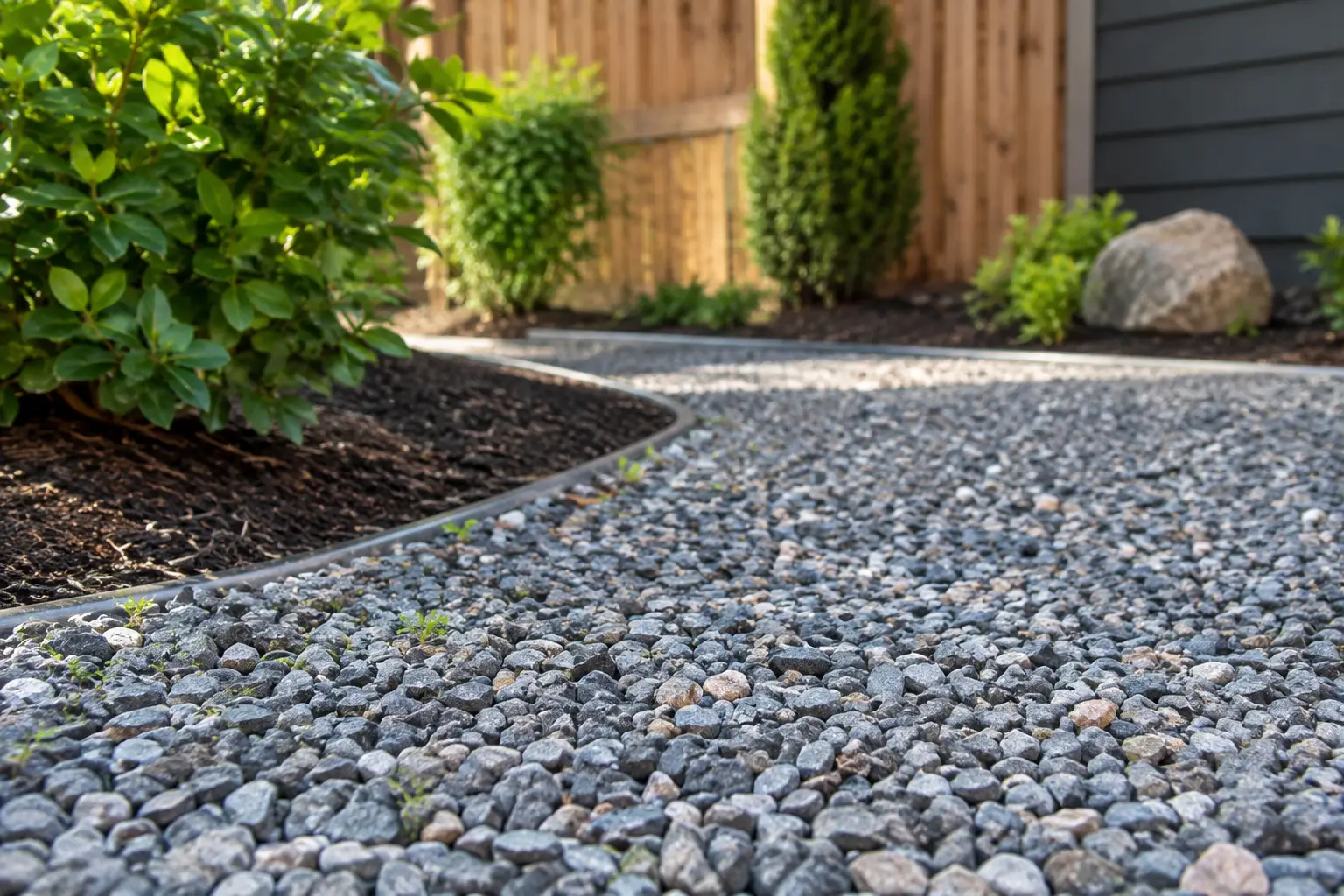
Gravel and stone are practical choices for driveways, drainage areas, pathways, landscape borders, and hardscape accents. They also add texture that mulch cannot provide. River gravel offers a naturally rounded look, while crushed limestone can be useful where a firmer, more compactable base is needed. Decorative gravel, marble, and red rock can bring color and contrast to planting beds or outdoor living spaces.
Appearance matters, but function should lead the decision. A smooth decorative stone may look great around a bed but may not be the best choice for a base that needs to compact. A smaller gravel can shift underfoot in some applications, while larger stone may be harder to rake and maintain. Share the intended use with your supplier so the recommendation fits the project rather than just the photo you have in mind.
Estimate Quantity Before You Order
The most common material mistake is underestimating. A yard of mulch or soil sounds like a lot until it is spread across several wide beds. Ordering too little can leave a project half-finished, while ordering far too much can create a storage problem.
Measure the length and width of each area, then decide on the desired depth. For irregular beds, break the space into simpler rectangles or estimate the average width. Write down each section rather than relying on a quick guess. A supplier can use those measurements to help convert the project into cubic yards.
Depth deserves special attention. Mulch often needs only a few inches. Soil used to build up a planting area may require more, particularly if the ground is uneven. Stone depth varies by application, with a decorative bed needing a different depth than a driveway or drainage project. If the material will settle or compact, plan for that from the start.
For contractors, it is also wise to account for jobsite realities. Curved borders, sloped lots, access limitations, and last-minute design adjustments can affect the final quantity. A little planning before the truck arrives is easier than stopping a crew to source another load in the middle of installation.
Pickup or Delivery: Choose What Saves Time
A retail yard pickup can be a good option when you have a suitable vehicle, need material right away, and can safely carry the load. It also allows you to see the material and speak directly with the team before heading to the job. Be realistic about truck capacity, payload limits, and whether your vehicle can handle loose material without damage or safety concerns.
Delivery is often the better choice for larger orders, busy schedules, or properties where multiple trips would be a hassle. It keeps your vehicle clean, saves loading time, and lets you focus on preparing the site. Local delivery can be especially helpful when a project requires several materials, such as topsoil for grading, mulch for beds, and gravel for a border.
Clear placement instructions make a noticeable difference. Before delivery day, move vehicles, check for low branches or overhead lines, and make sure the intended drop area is accessible. Let the supplier know if material needs to go near a specific side of the driveway, close to a gate, or in a location that keeps it out of the way of other work. A clean, reachable drop spot helps protect the property and makes spreading easier.
Get More From Every Yard of Material
Good installation habits protect your investment. Prepare beds by removing weeds and debris before mulch arrives. Grade soil before installing sod or planting. Add edging or landscape fabric, where appropriate for the project, before spreading stone. These steps are simple, but they prevent having to move material twice.
For mulch, keep it pulled back from siding, fence posts, and the bases of shrubs and trees. For stone, use a defined border so it stays where it belongs. For soil, avoid working it when it is saturated after rain, since wet soil can clump and compact. These small choices help the finished landscape look better for longer.
Landscape Source Inc. serves homeowners and professionals across Birmingham and Jefferson County with quality bulk materials, helpful guidance, and delivery support for projects of all sizes. Whether you are refreshing a front bed or supplying a full crew, asking a few questions before ordering can save time, money, and frustration.
A better yard does not require a complicated plan. Measure the area, choose materials that match the job, and set up delivery or pickup that lets you spend less time chasing supplies and more time enjoying the finished space.

Leave a Reply