

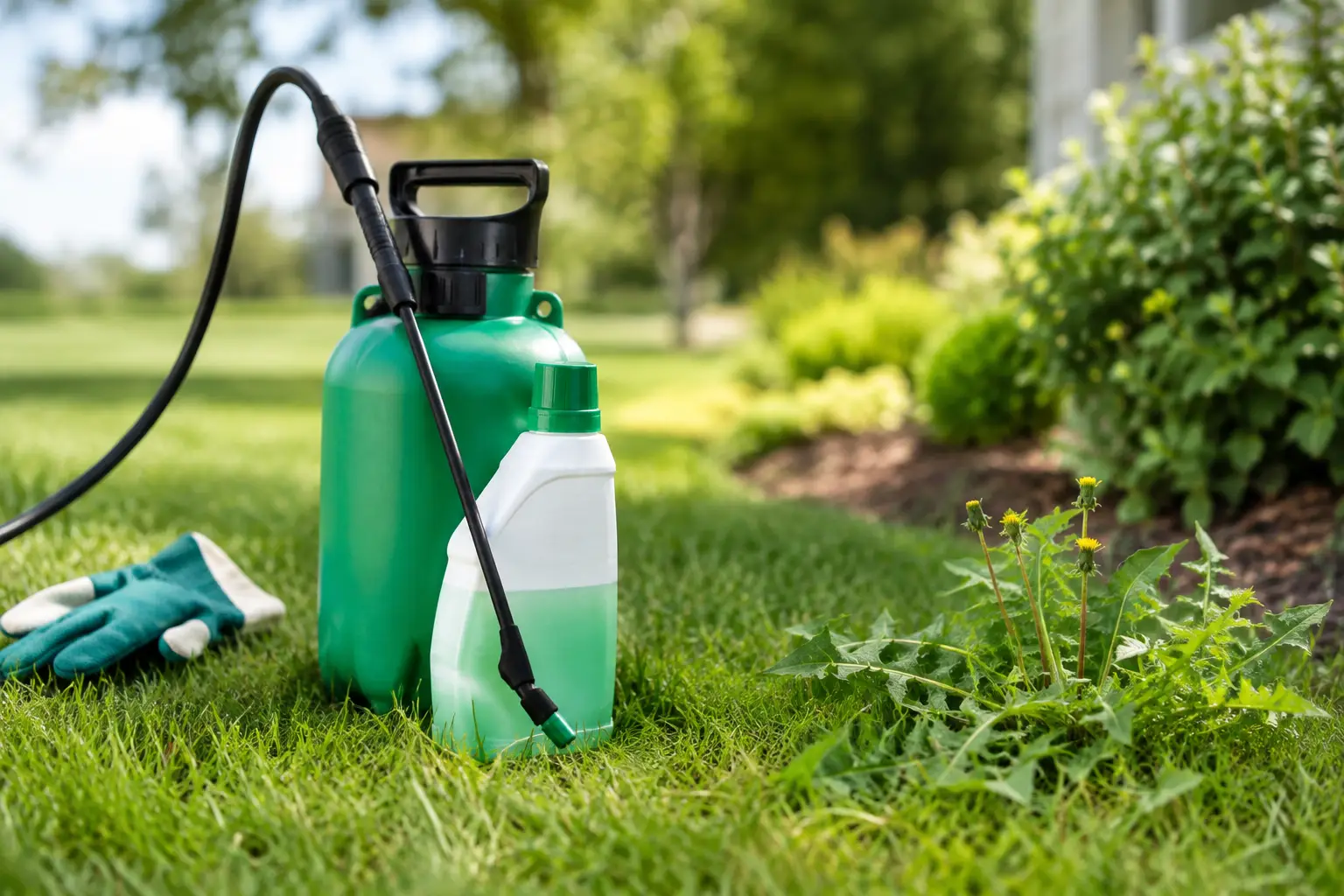
A weed problem can make a freshly mulched bed or well-kept lawn look neglected in a hurry. The right weed killers can save hours of hand pulling, but the wrong product or application can damage turf, ornamentals, and nearby plants you want to keep. A little planning helps you get control without creating a bigger landscaping job.
For Birmingham homeowners and landscape crews, weed control is rarely a one-time task. Warm temperatures, frequent rain, and a long growing season give unwanted plants plenty of opportunity to return. The practical approach is to identify where the weeds are growing, choose a product suited to that area, and apply it when conditions allow it to work.
Start With the Weed and the Location
Before choosing a herbicide, look closely at the weed and what surrounds it. Broadleaf weeds such as clover, chickweed, and dandelion are different from grassy weeds such as crabgrass, annual bluegrass, or bermudagrass spreading into a bed. Vines, woody brush, and sedges can require a different approach again.
Just as important is the location. A product that works well along a fence line may be a poor choice in a lawn or around shrubs. Ask one basic question first: do you want to kill everything in this area, or only the unwanted plant while preserving grass and desirable plants?
A non-selective herbicide kills or injures most green plants it contacts. It is useful for cracks in driveways, gravel paths, edging lines, and bare areas being prepared for a new project. A selective herbicide is designed to target certain weeds while leaving a particular type of turf largely unharmed when used according to its label. That makes selective products the better fit for many lawn applications.
There is no single best product for every property. A homeowner with a few weeds in a zoysia lawn needs something different from a contractor clearing vegetation before installing gravel or refreshing a commercial bed.
Pre-Emergent and Post-Emergent Weed Killers
The most useful distinction is whether you are trying to prevent weeds or kill ones that are already visible.
Pre-emergent products prevent new weeds
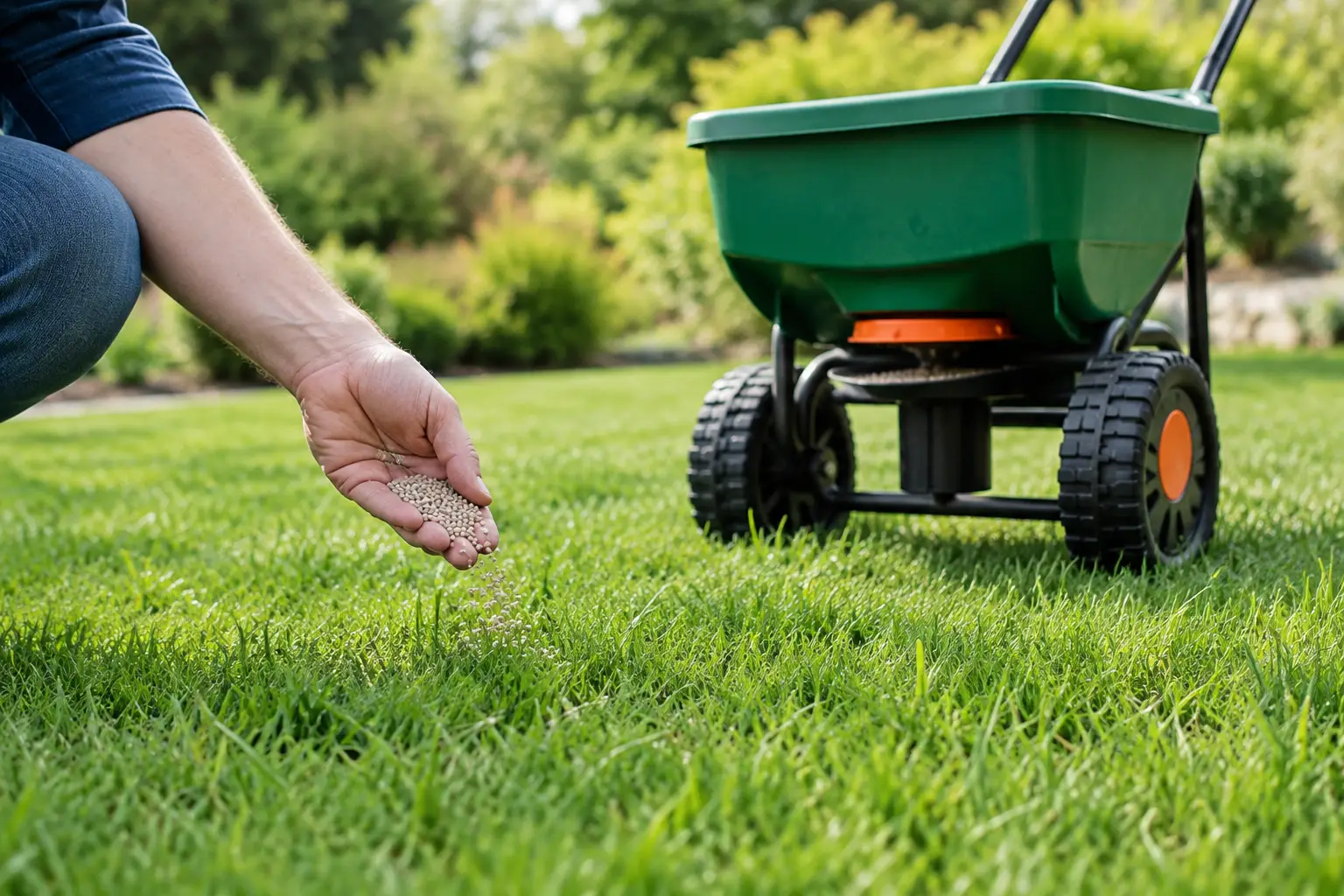
Pre-emergent herbicides create a barrier near the soil surface that stops many weed seeds from establishing. They do not eliminate mature weeds already growing. Timing is the whole point: apply them before the target weed germinates, then follow label directions for watering them into the soil if required.
In central Alabama, spring and fall are often key pre-emergent windows because summer annuals and cool-season weeds germinate at different times. Exact timing depends on weather, your lawn type, and the weeds that have caused trouble in past seasons. If crabgrass shows up every summer, prevention is generally easier than trying to remove it after it spreads.
Use care in garden beds where you plan to sow flower or vegetable seeds. Many pre-emergents can also prevent those desirable seeds from growing. Transplants may be an option in some situations, but always follow the product label and observe any planting intervals.
Post-emergent products treat active growth
Post-emergent herbicides work on weeds that have already emerged. Some kill only the leaves they contact, while others move through the plant and can provide better control of established roots. Systemic products often need time to work, so avoid pulling the weed immediately after treatment.
Results depend on the weed’s growth stage. Young, actively growing weeds are usually easier to control than large, drought-stressed plants that have gone to seed. Repeated treatment may be needed for tough perennial weeds, especially if they are growing through dense groundcover, around tree roots, or along hardscape edges.
Match the Product to Your Lawn
Not every lawn herbicide is safe for every turf type. Bermuda, zoysia, fescue, centipede, and St. Augustine lawns can have very different tolerances, especially during heat, drought, green-up, or recent seeding. Product labels list approved turf species, application rates, temperature restrictions, and reseeding guidance. Those directions are the standard to follow, not a suggestion.
This matters in Birmingham, where many properties have mixed conditions. A sunny front yard may be bermudagrass, while a shaded side yard includes fescue and a bed of azaleas. Treating every area with the same product can lead to patchy turf or damaged ornamentals.
If you are unsure what grass you have, bring a clear photo or a sample to a knowledgeable local supplier before buying. Landscape Source can help customers sort through lawn-care and herbicide options so they can start with a product that fits the job.
Apply Carefully for Better Results
Herbicides work best when applied with patience, not when sprayed in a rush. Read the full label before mixing or applying. It explains where the product can be used, how much to apply, what protective equipment is needed, and how long people and pets should stay out of the treated area.
Choose a dry, calm day. Wind can carry spray onto flowers, shrubs, vegetables, or neighboring lawns. Rain shortly after application can reduce effectiveness for products that need time to absorb, while heat stress may make desirable turf more sensitive. Avoid mowing immediately before or after an application if the label calls for leaf surface and uptake time.
Use a dedicated, clearly labeled sprayer for herbicides. Calibrate it so you apply the intended amount rather than soaking one area and missing another. Spot treatment is often the smart choice for scattered weeds because it uses less product and reduces exposure to desirable plants.
For dependable application, keep these habits in place:
- Wear the gloves, eye protection, long sleeves, and other equipment listed on the label.
- Keep children, pets, and wildlife away until the product has dried or the label’s re-entry period has passed.
- Never spray near ponds, drainage areas, or waterways unless the product is specifically approved for that use.
- Store products in their original containers, secured away from heat, food, feed, children, and pets.
Pair Weed Control With Better Bed Maintenance
Weed killers are most effective as part of a broader maintenance plan. In landscape beds, a proper layer of mulch helps block sunlight from reaching weed seeds and makes new weeds easier to pull. Mulch should be spread evenly, generally around 2 to 3 inches deep, while staying back from tree trunks and the stems of shrubs.
Healthy turf also competes better with weeds. Mow at the correct height for your grass type, water deeply when needed, and avoid scalping the lawn. Thin turf leaves open soil where weed seeds can take hold. Compacted soil, poor drainage, and bare spots can point to a larger lawn issue that a herbicide alone will not solve.
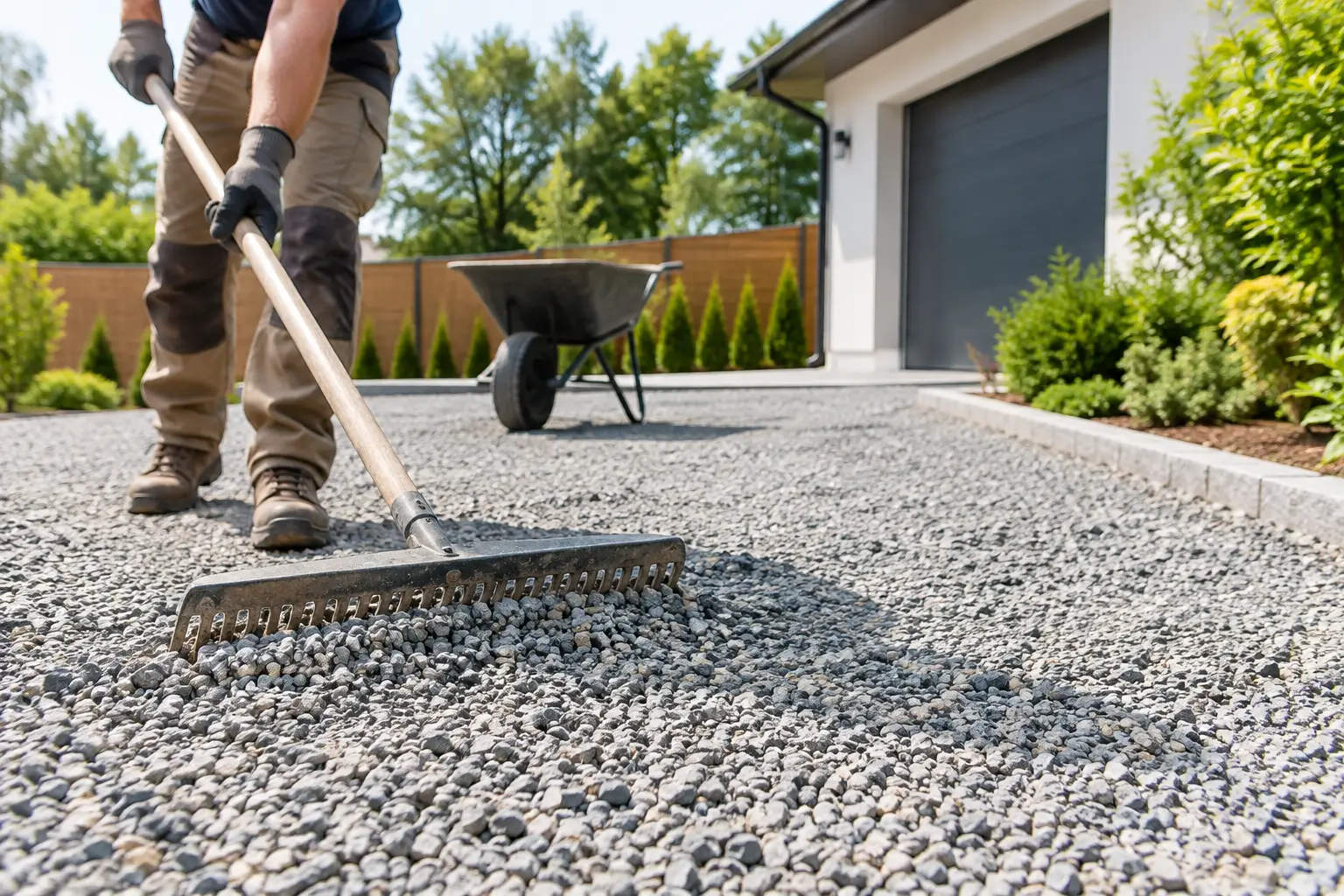
For gravel areas and paths, remove established vegetation before adding new material. A clean, well-prepared base gives decorative gravel or crushed stone a sharper finished appearance and reduces the chance of weeds pushing through soon after installation. Some projects may benefit from a barrier fabric, though fabric is not a permanent answer on its own. Windblown soil and organic debris can still collect on top and support weed growth over time.
Know When to Pull Instead
A few small weeds near flowers, vegetables, young shrubs, or newly planted trees may be better handled by hand. This is especially true when roots are shallow and soil is damp enough for easy removal. Hand pulling avoids drift and lets you protect sensitive plants in tight spaces.
For larger infestations, perennial weeds, or vegetation growing where a new bed, patio, or gravel area is planned, an herbicide can be the more efficient option. The decision comes down to scale, location, and the risk of damaging nearby plants. Good weed control is not about using more product. It is about using the right method at the right time.
A clean lawn edge and well-maintained beds make every other landscaping investment look better. Choose carefully, follow the label, and give new mulch, soil, gravel, or plantings the weed-free start they deserve.

Leave a Reply