

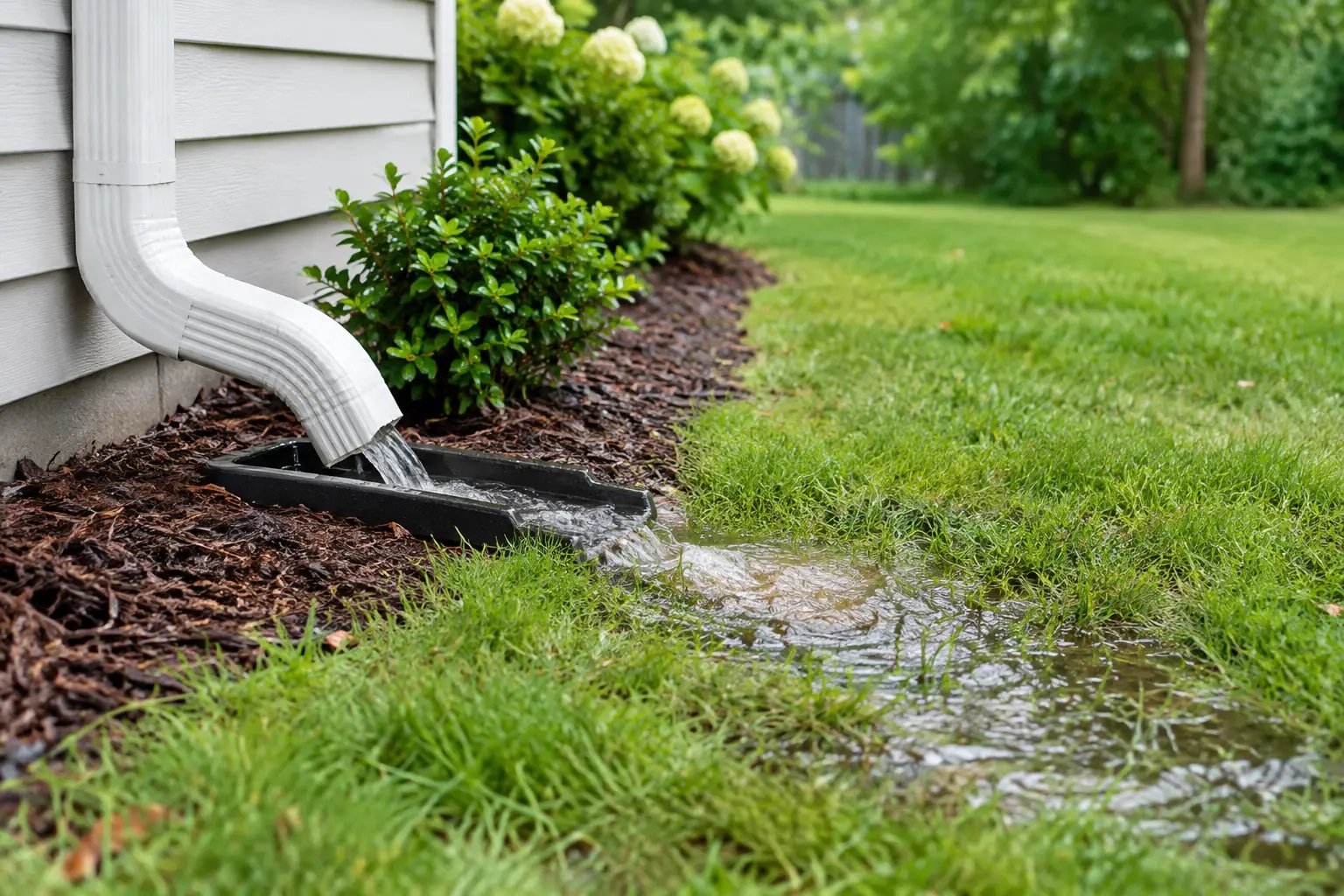
A hard Birmingham rain can reveal more about a yard in 20 minutes than a sunny weekend ever will. Water pooling beside the foundation, mulch washing into the driveway, soggy turf, and a downspout that creates a trench are all signs worth addressing. This homeowner guide to landscape drainage will help you identify where water is coming from, where it needs to go, and which materials can support a practical fix.
Good drainage is not about making a yard bone-dry. Lawns, trees, and planting beds need water. The goal is to move excess runoff away from your home and prevent it from damaging soil, plants, hardscapes, or neighboring property. In Jefferson County, heavy downpours and compacted clay soils can make that job more challenging, but a clear plan makes a big difference.
Start by Following the Water
Before buying gravel, soil, or pipe, walk your property during a light rain or soon after a storm. Notice where water begins, where it collects, and where it exits. Look for bare soil, erosion lines, standing water, washed-out mulch, and areas of grass that stay soft longer than the rest of the yard.
Many drainage problems begin at the roof. A downspout may be releasing a large volume of water into one small area, especially when gutters are full or extensions are too short. Other problems come from a patio, driveway, or neighboring slope that directs runoff toward the house.
Pay close attention to the ground near your foundation. Soil should generally slope away from the home rather than creating a shallow basin along the wall. If water sits against the foundation after a rain, that is a priority repair. Landscape improvements are valuable, but they should never send more water toward the house.
It also helps to think beyond the wettest spot. The puddle is often the result, not the cause. A low area may be collecting water from a roof, a poorly graded bed, or an uphill section of the yard. Finding the full path helps you avoid spending money on a surface-level fix that does not solve the source.
Choose the Right Drainage Approach
The best solution depends on the amount of water, the slope of the property, soil conditions, and the available outlet. A small area that puddles after an occasional storm needs a different approach than a backyard that receives runoff from several higher lots.
Improve the Grade First When You Can
Grading is often the most effective first step. Adding and shaping suitable soil can create a gentle path away from the home, a patio, or a planting bed. This works especially well when the problem is minor settling around a foundation or a landscape bed that has gradually become lower than surrounding ground.
Use quality topsoil for building up planting areas and establishing grass, but do not assume loose soil alone will solve a drainage issue. Birmingham-area clay can compact quickly, and soil placed too high against siding, brick details, or weep holes can create new problems. Keep finished grade at an appropriate level below the structure, and use smooth, gradual transitions rather than steep mounds that erode in the next hard rain.
Move Downspout Water Away From the House
A downspout extension is one of the simplest improvements a homeowner can make. Direct the discharge away from the foundation and into a stable area that can handle the flow. Depending on the layout, that might mean a buried drain line, a rock-lined channel, or a route toward a lower part of the property.
Avoid simply aiming water at a neighbor’s yard, a property line, or a sidewalk. Water needs a responsible destination. Local conditions, neighborhood grading, and municipal rules can all affect what is appropriate, especially when a project changes the path of significant runoff.
Use a Swale for Broad, Shallow Runoff
A swale is a shallow, gently sloped channel that guides water across the yard without looking like a ditch. It can be grassed, planted, or finished with stone depending on the amount of flow and the look you want. Swales are useful where water moves across a wide area after storms and where there is enough room to shape the landscape naturally.
The key is consistent slope. Water will not travel uphill just because a channel is attractive. Plan the route from the high point to a safe lower outlet, and make sure the path does not create a trip hazard or cut off access to a gate, patio, or play area.
Build a Dry Creek Bed for Visible Flow Paths
A dry creek bed gives water a defined route while adding a natural landscape feature. River gravel, decorative gravel, larger stone, and strategically placed boulders can create a finished look that suits many Birmingham homes. It is a strong choice for an area that sees fast, visible runoff during storms but stays dry most of the time.
Stone size matters. Fine gravel can shift in a strong flow, while larger rock provides more stability. A well-built creek bed also needs proper excavation, slope, edge treatment, and a base that prevents soil from working up through the stone. Landscape fabric may help separate stone from soil in some designs, though it is not a cure for poor grading and can complicate future planting if used everywhere.
Install a French Drain When Water Is Below the Surface
A French drain is typically a perforated pipe surrounded by washed gravel, installed in a trench to collect and redirect subsurface water. It can be effective near wet lawn areas, retaining walls, and low spots, but it must have a reliable outlet and enough slope for the pipe to drain.
This is where homeowners sometimes make an expensive mistake: gravel alone is not a French drain. A trench filled with stone may temporarily accept water, but without proper depth, pipe, filter material, and discharge planning, it can simply become a buried reservoir. If you are working near a foundation, utilities, septic components, or a retaining wall, consult a qualified drainage or landscape professional before digging.
Match Materials to the Job
Landscape materials can make drainage solutions more durable and better looking, but each one has a specific role. The right product is more useful than the most product.
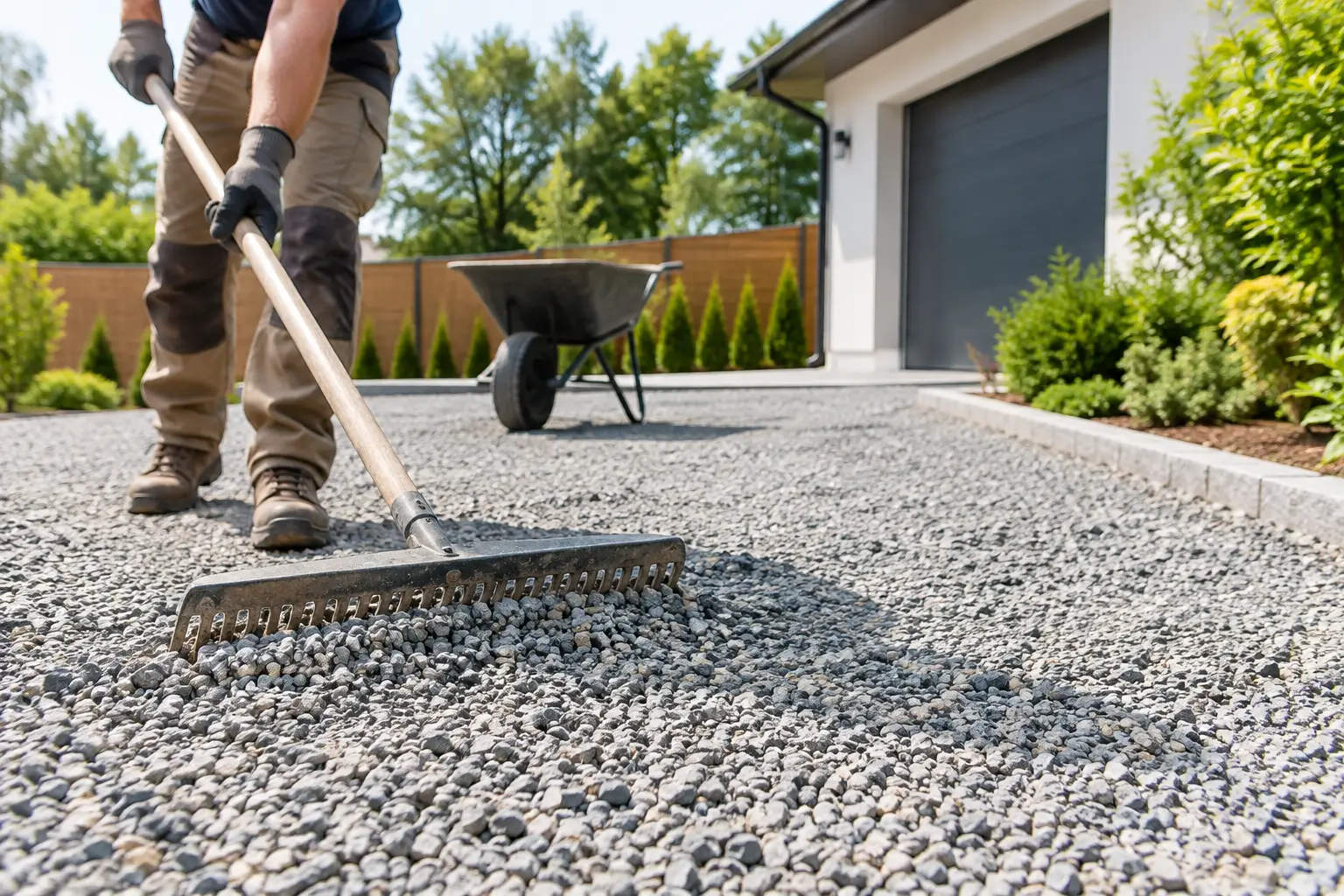
Washed gravel is commonly used around drainage pipe because water can move through it and it creates stable support in the trench. River gravel and decorative stone are often better suited for visible dry creek beds, borders, and downspout splash areas. Limestone can be a practical choice for certain paths and base applications, although its color and texture may not fit every landscape design.
Topsoil is useful for reshaping grades, repairing washed areas, and supporting new grass or plantings. For a planting bed that stays wet, improving the bed height with appropriate soil may be more effective than adding more mulch. Mulch still has a place around shrubs and trees because it helps protect soil and moderate moisture, but it should be kept away from trunks and should not be piled so deeply that it blocks water movement or washes away.
For larger projects, ordering material in bulk can provide better value and a more consistent result than trying to piece together dozens of small bags. Measure the length, width, and planned depth of the area before ordering, and allow for extra material if you are shaping slopes or filling uneven ground. A knowledgeable local materials yard can help you choose a sensible product and quantity for the project.
Protect Your Work From Erosion
Once water has a new path, reinforce the areas where it enters and exits. Downspout outlets, the beginning of a swale, and the bottom of a slope are common erosion points. Stone can slow the force of moving water, while established grass, groundcover, or deep-rooted plants can help hold soil in place.
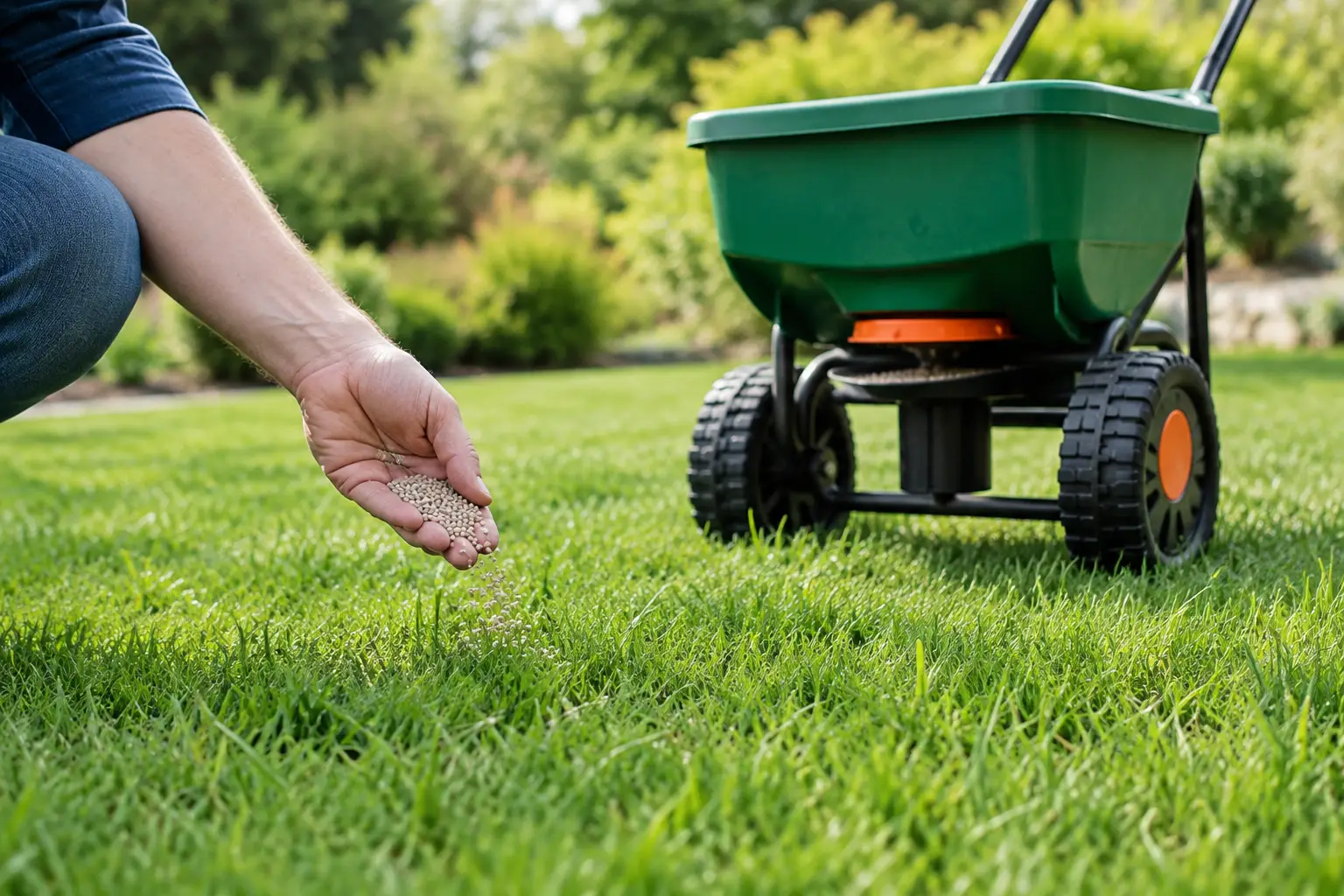
Freshly graded soil is especially vulnerable. Seed, sod, mulch, or erosion-control covering may be needed depending on the season and the slope. Do not wait for the first major storm to finish the surface. A beautiful new grade can disappear quickly if loose soil is left exposed.
Know When the Project Needs Professional Help
Some drainage work is a manageable weekend project. Others involve risks that are not visible from the surface. Bring in experienced help if water enters a crawl space or basement, a retaining wall is leaning or holding water, drainage changes may affect neighboring properties, or the project requires deep trenching near utilities.
Call 811 before any digging project so underground utility lines can be marked. That free step matters whether you are installing a short drain line or building a larger landscape feature. It is also wise to get professional guidance when your yard has very little slope, since forcing water through a flat property requires careful planning.
Landscape Source Inc. can help homeowners and landscape crews select dependable bulk soil, gravel, and stone for drainage-related improvements, with pickup and local delivery options that keep a project moving. Clear placement instructions can save time when materials need to be dropped near a side yard, driveway, or work area.
The best time to plan drainage is while the problem is fresh in your mind. Take a few photos after the next rain, trace the water’s path, and make one improvement that gives it a better place to go. A drier foundation, cleaner mulch beds, and a yard that is easier to enjoy are practical results that last long after the clouds clear.

Leave a Reply