

A fresh load of mulch, a clean gravel path, or a newly edged lawn can make a property look finished fast. But weeds can take over just as quickly when they are treated at the wrong time. If you are asking, when should I use herbicide, the best answer is not simply “when weeds appear.” The right timing depends on the type of weed, the product you choose, the weather, and whether you are protecting a lawn, landscape bed, driveway, or hardscape area.
In Birmingham’s long growing season, a little planning goes a long way. Applying the right herbicide at the right time can save time, reduce repeat work, and help protect the plants and turf you want to keep.
When Should I Use Herbicide for the Best Results?
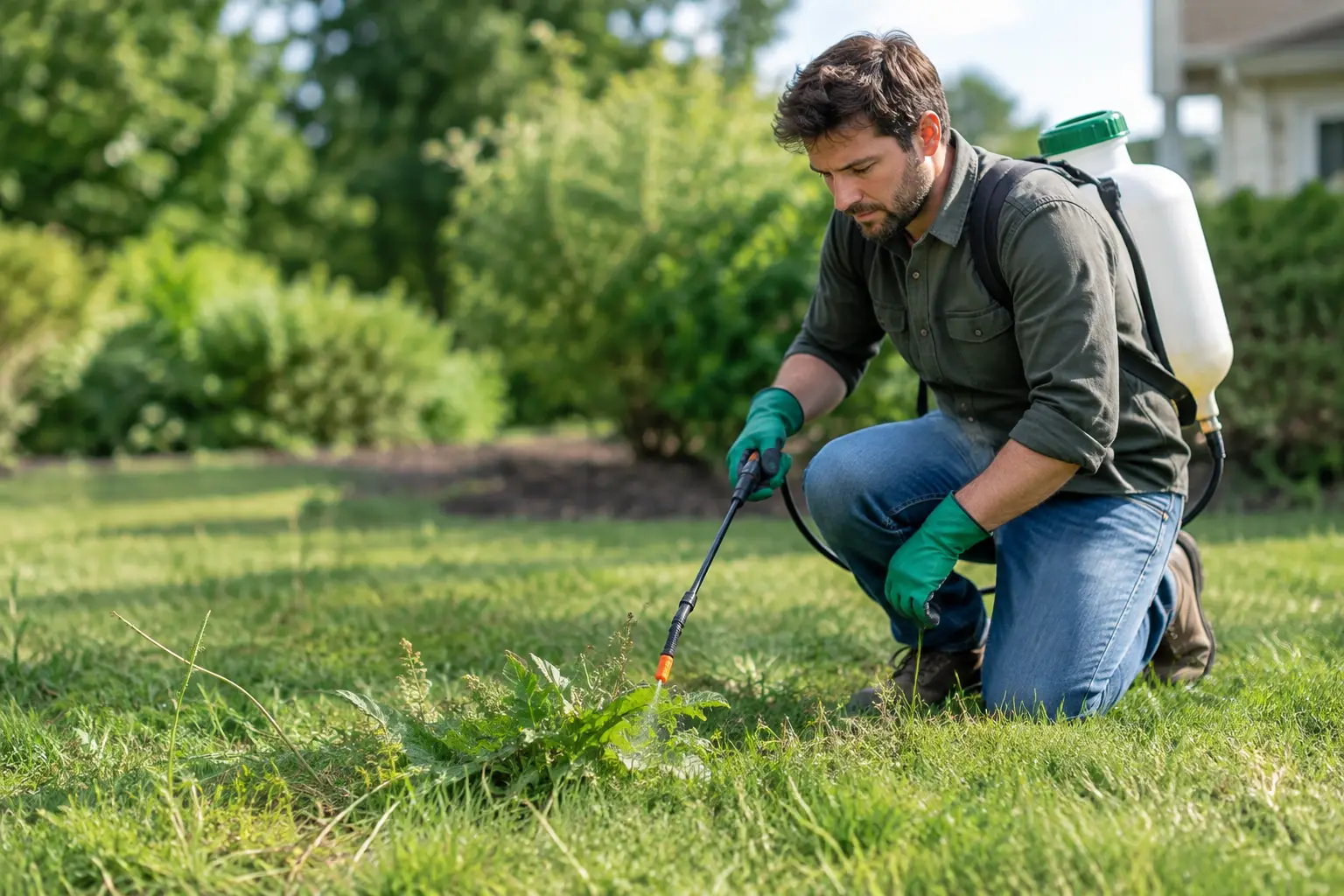
Use herbicide when the target weeds are actively growing and conditions allow the product to work as intended. For many post-emergent herbicides, that means treating young, healthy weeds before they flower, spread seeds, or develop deep root systems. Small weeds generally require less product and are easier to control than mature weeds that have been growing for weeks.
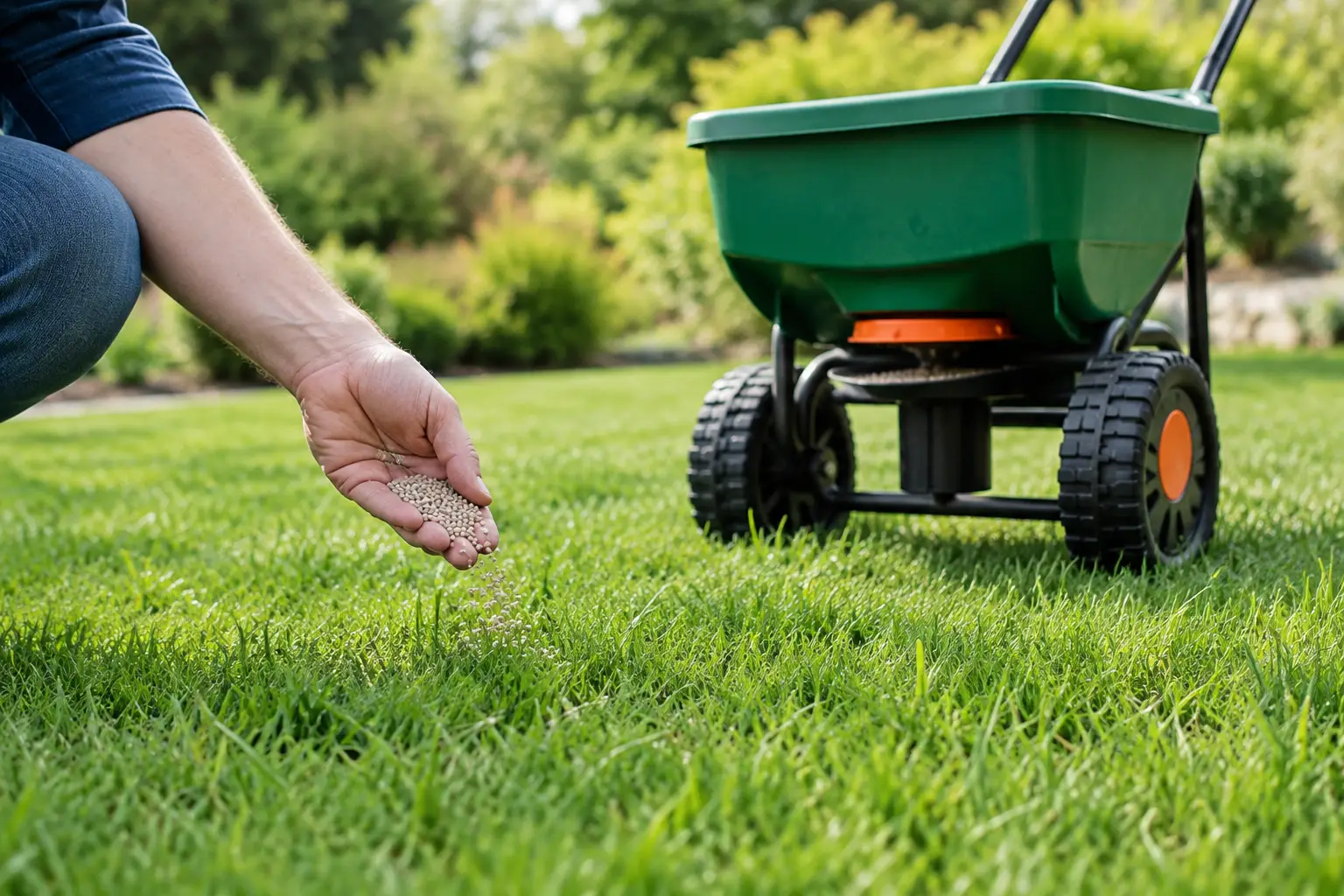
The product type matters just as much as the calendar. Pre-emergent herbicides work before weeds break through the soil. They create a barrier near the surface that stops many seeds from establishing. Post-emergent herbicides are designed for weeds that are already visible. Some are selective, meaning they target certain weeds while leaving specified turf grasses alone. Others are non-selective and can injure or kill nearly any green plant they touch.
Read the product label before every application, even if you have used a similar product before. Labels provide the approved use areas, target weeds, mixing directions, temperature limits, re-entry instructions, and how long to wait before planting or seeding. That guidance should always take priority over general timing advice.
Treat weeds before they become a larger job
A few scattered weeds in a bed or along a fence line may be best handled with careful spot treatment. Waiting until a whole area is covered usually means more labor, more product, and a tougher cleanup. For homeowners, walking the property every week or two during the growing season helps catch problems early. For landscape crews, checking beds and hardscape edges as part of regular maintenance keeps client properties looking consistently cared for.
Match Herbicide Timing to the Season
In central Alabama, warm temperatures and regular rain can support weed growth for much of the year. The exact month can shift with the weather, but seasonal patterns are useful for planning.
Spring is a key time for preventing summer annual weeds. Pre-emergent treatments are commonly applied before soil temperatures warm enough for weed seeds to germinate. Crabgrass is a familiar example in lawns. Once it is established, control becomes more difficult, so prevention is often the better approach. A follow-up application may be appropriate later in the season if the label allows it and the product’s coverage period has ended.
Late summer into fall is often the best window to manage many cool-season weeds. These weeds begin germinating as temperatures ease, sometimes before homeowners notice them. A fall pre-emergent program can help reduce winter annual weeds in lawns and landscape beds. Existing broadleaf weeds may also respond well to a properly labeled post-emergent treatment while they are still actively growing.
Winter is usually not the time for broad, rushed applications. Many plants are dormant, growth is slow, and cold or wet conditions can limit performance. It can, however, be a good season to identify recurring weed problems, clean up beds, and plan preventive treatments for spring.
Herbicide Timing for Lawns
Lawns require extra care because turf type matters. Bermuda, zoysia, fescue, and centipede lawns do not all tolerate the same products or application schedules. A herbicide that is safe for one turfgrass may damage another, especially during green-up, drought stress, or extreme heat.
Avoid treating a lawn immediately after mowing unless the product label says otherwise. Leaving enough leaf surface helps a post-emergent herbicide contact and move into the weed. Likewise, do not mow too soon after application. The label will tell you how long to wait.
Be especially cautious with a stressed lawn. Turf that is struggling from drought, disease, recent installation, poor drainage, or unusually high temperatures is more likely to show injury. If weeds are present but the lawn is thin, herbicide alone will not solve the underlying issue. Improving mowing height, watering practices, soil conditions, and fertility can help dense turf compete with future weeds.
If you plan to seed or overseed, check the label first. Some pre-emergent products prevent desirable grass seed from germinating along with weed seed. That trade-off is common: the best time to prevent weeds may not be the best time to establish new grass.
Use Extra Care in Beds, Gravel, and Hardscape Areas
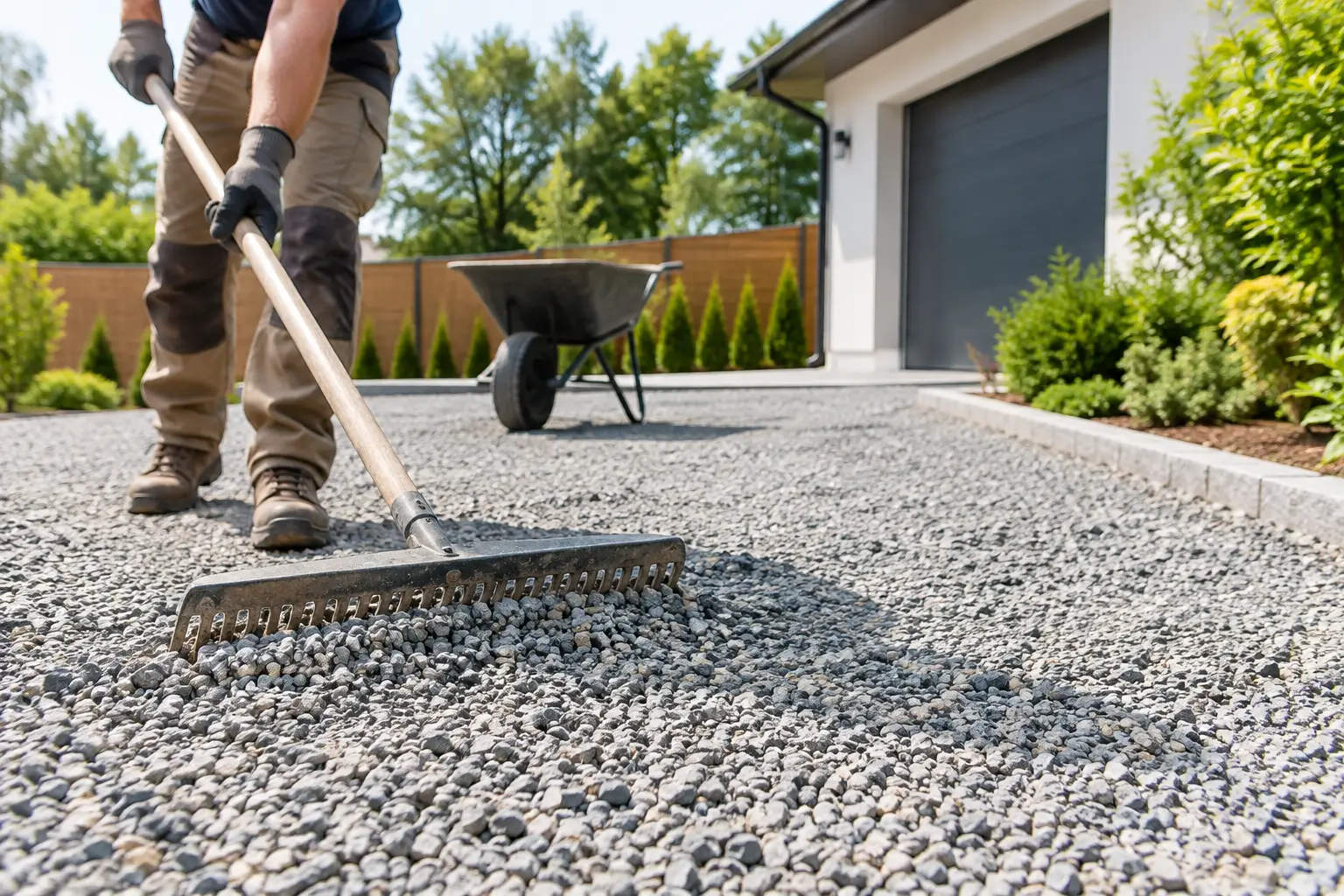
Landscape beds, gravel driveways, patios, and fence lines often need a different approach than lawns. Non-selective herbicides can be useful in these areas because there may be no turf to protect. Still, overspray and drift can harm shrubs, flowers, ornamental grasses, and trees nearby.
For planted beds, a pre-emergent herbicide can be an effective partner to quality mulch. Mulch blocks light, helps hold moisture, and gives beds a finished appearance, while a properly applied pre-emergent treatment helps reduce new weed germination. Neither option eliminates every weed, but together they can make hand weeding far less frequent.
Do not assume gravel means a product is safe to spray freely. Weeds in gravel may be close to tree roots, planting beds, or drainage paths. Apply only where the label permits, avoid runoff toward desirable plants, and use a shielded sprayer or targeted nozzle when working near valuable landscaping.
Choose the Right Day to Apply
Weather has a major effect on herbicide performance. A calm, dry day with moderate temperatures is usually best for post-emergent treatments. Wind can carry spray droplets onto nearby plants, while rain too soon after application can wash away a product before it has time to work. Labels list the rainfast period, which is the amount of dry time needed after spraying.
Avoid applying when plants are heat-stressed or when temperatures are outside the label’s recommended range. Hot afternoons can increase the risk of damage to desirable plants and may reduce control of certain weeds. Early morning after dew has dried or later in the day when wind settles can be practical options, provided rain is not expected during the required dry period.
A few application habits make a meaningful difference:
- Spray only enough to thoroughly coat weed foliage. Runoff wastes product and raises the risk of movement into soil or nearby plants.
- Use the correct sprayer setting and keep your nozzle close to the target area to limit drift.
- Wear the protective clothing specified on the label, and keep children and pets out of treated areas until the label’s re-entry period has passed.
- Clean sprayers carefully after use, especially before using the same equipment around flowers, vegetables, or sensitive plants.
Do Not Treat Every Green Plant the Same Way
The biggest herbicide mistakes happen when a product is chosen based only on convenience. A broadleaf weed in a lawn, grass growing through decorative stone, and weeds around vegetable gardens may each require a different product and method. If you are unsure what the weed is, take a clear photo or bring a sample in a sealed bag for help identifying it before you buy.
For professional landscapers, consistent results come from matching products and timing to each site rather than relying on one all-purpose spray. For homeowners, that same approach helps protect the investment already made in sod, shrubs, flowers, mulch, and decorative stone.
At Landscape Source, our team can help Birmingham-area customers sort through practical options for lawns, beds, and hardscape projects. Bring the details that matter: the type of area you are treating, the weeds you see, nearby plants, and whether you are planning to seed or install new landscaping soon.
A well-timed herbicide treatment should make your next outdoor project easier, not create another one. Start with the weed, check the label, wait for suitable weather, and give the product the conditions it needs to do its job.

Leave a Reply