

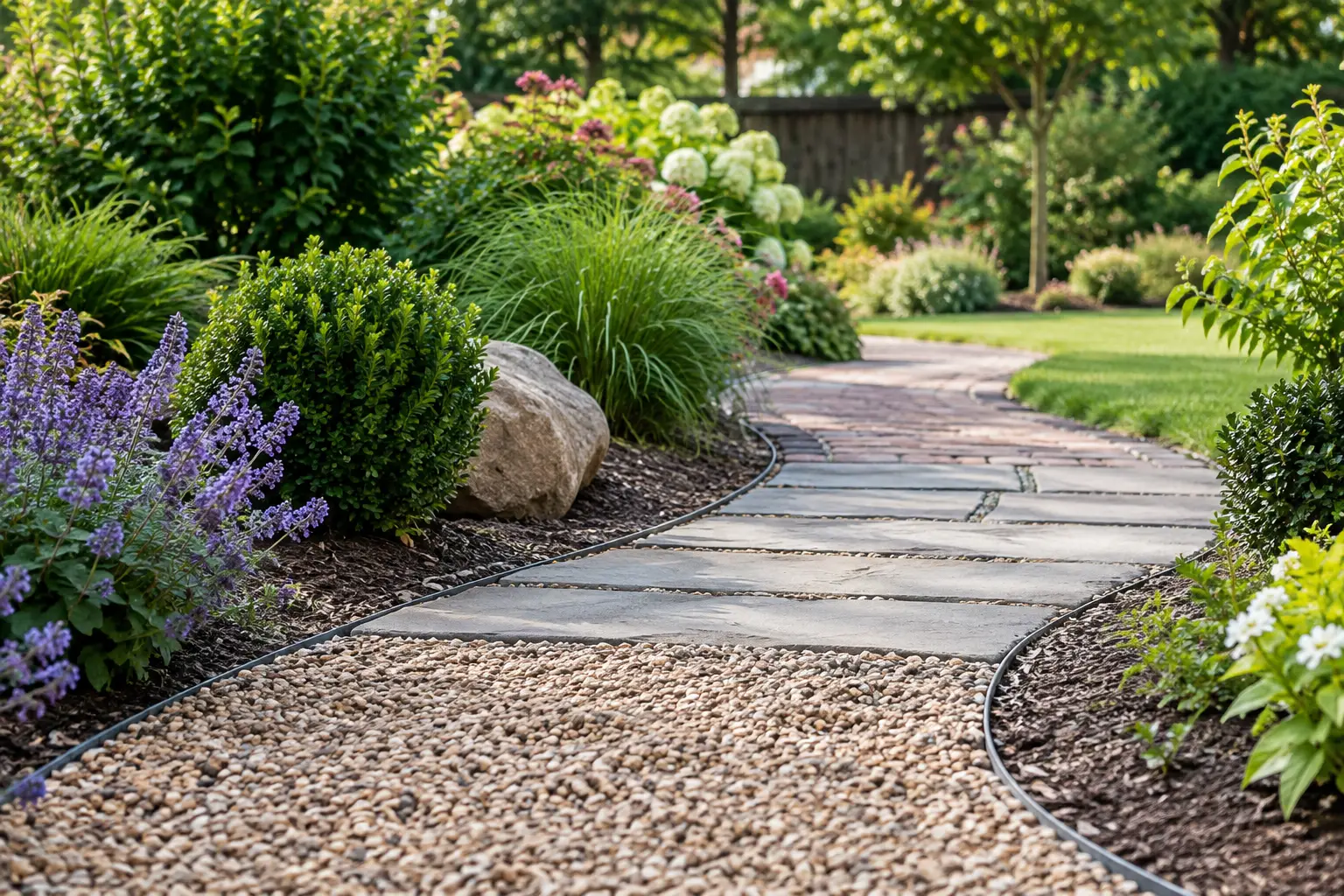
A garden path has a practical job: it keeps feet out of planting beds, gives guests a clear route through the yard, and makes routine watering and weeding easier. But it also sets the tone for the space. The best materials for garden paths are the ones that suit how you use the yard, handle Birmingham weather, and fit the look of your home without creating more maintenance than you want.
For many local properties, a well-built gravel or stone path offers the right balance of drainage, durability, and curb appeal. The right choice still depends on the path’s location, traffic level, slope, and whether you want a casual garden walk or a more defined hardscape feature.
Best Materials for Garden Paths: Start With How You Use It
Before choosing color or texture, think about the daily job of the path. A narrow route between raised beds needs a different material than a front-yard walkway used by visitors, wheelbarrows, and delivery drivers. Paths near a hose bib, vegetable garden, or pet area also need dependable footing when the ground is wet.
Drainage matters in Central Alabama. Heavy rain can wash out lightweight material, leave puddles on compacted soil, or move loose stone down a slope. A good path is built on a firm, graded base with edging where needed. That preparation often matters as much as the surface material itself.
Budget is another real consideration. Bulk materials can make a large path much more affordable than buying small bags, especially for homeowners refreshing several areas at once or landscape crews working on a client project. Measure the length, width, and desired depth before ordering so you can purchase enough material without coming up short.
Gravel: A Practical Choice for Most Garden Paths
Gravel is one of the most popular path materials because it drains well, installs relatively quickly, and works with both traditional and natural-looking landscapes. It can create anything from a relaxed cottage-garden trail to a crisp, modern route when paired with clean edging.
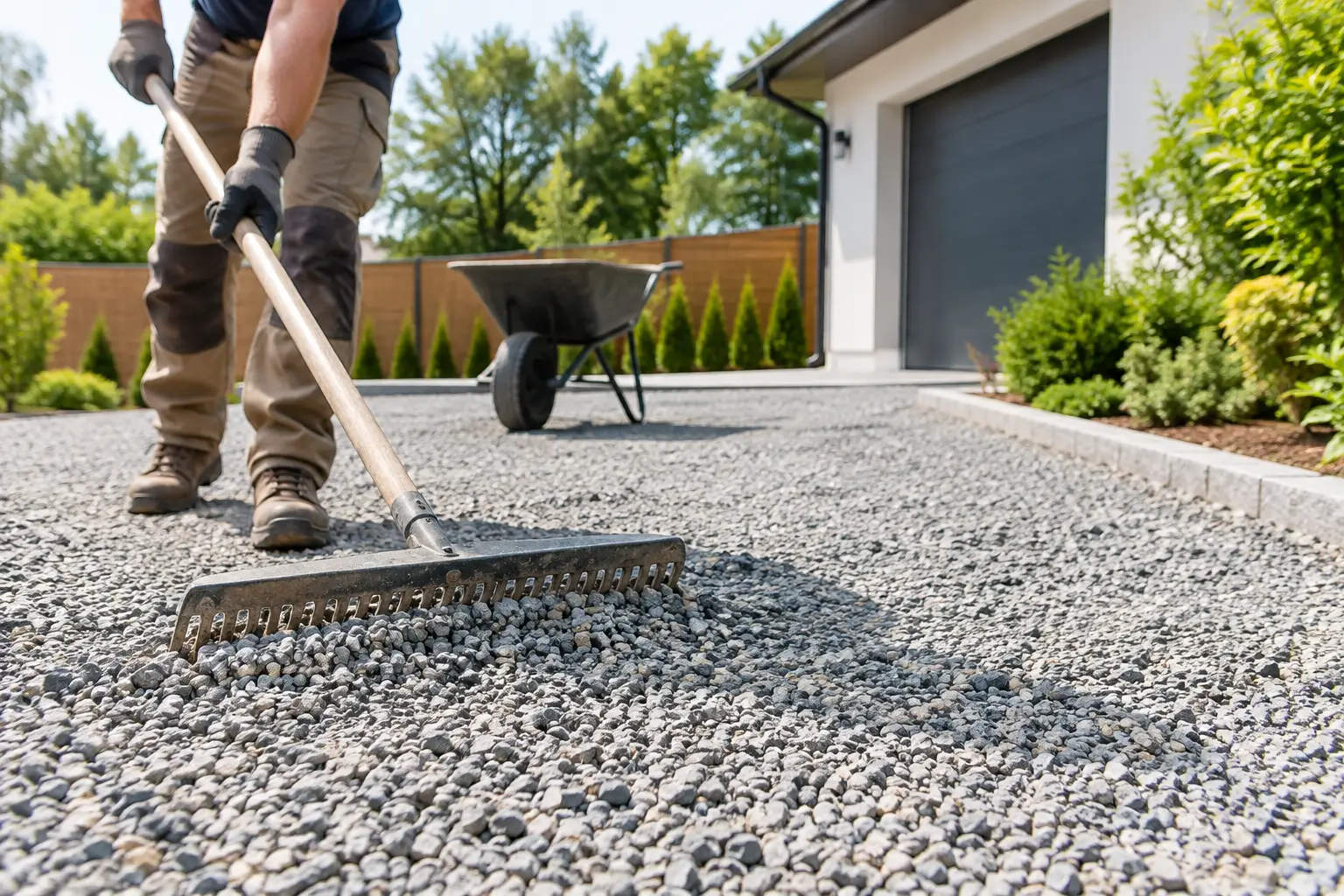
For a walking path, angular gravel generally performs better than smooth, round stone. The edges help the pieces lock together underfoot, which creates a steadier surface. A compacted base beneath the gravel will improve stability further and reduce the chance of the path sinking into the soil over time.
Decorative gravel gives homeowners more control over the finished look. Neutral tones complement brick homes and green planting beds, while darker material can make lighter foliage and flowers stand out. Gravel does need occasional raking, and some pieces may migrate into nearby beds without edging. Those are manageable trade-offs for a material that offers solid drainage and easy repair.
River Gravel for a Softer, Natural Look
River gravel has rounded edges and a smooth, water-worn appearance. It looks especially at home around informal planting beds, water features, shade gardens, and naturalized areas. The mixed colors can add visual interest without competing with the plants.
Because the stones are rounded, river gravel is not always the best choice for a heavily traveled path, a steep slope, or an area where a wheelbarrow is used often. It can shift more underfoot than crushed stone. It is a strong option for decorative garden routes and low-traffic paths where appearance is the main priority.
Crushed Limestone for Firm Footing
Crushed limestone is a dependable choice when you want a compactable surface with a clean, light-colored finish. Fine particles mixed with larger pieces help it bind together, making it useful for paths that see regular foot traffic. It can also serve as part of the base below another finished surface.
A limestone path can brighten a shaded garden, but its pale color may show leaves, soil, and stains more readily than darker gravel. It is also worth considering how the color works with your home, existing stone, and landscape border. For a structured path with practical footing, however, it is hard to overlook.
Flagstone and Stepping Stones: Defined Paths With Character
Flagstone and individual stepping stones create a more permanent, tailored look than loose aggregate. They work well for entry gardens, patios, side yards, and paths that connect the house to a seating area or backyard feature. Larger stones give each step a solid landing spot and reduce the amount of loose material that needs attention.
Installation takes more planning than spreading gravel. Stones should sit level, be spaced to match a natural walking stride, and rest on a prepared base so they do not rock or settle unevenly. For a continuous walking surface, placing flagstone with narrow joints provides a polished finish. For a more relaxed garden feel, leave wider gaps and fill them with gravel, ground cover, or mulch.
Natural stone is durable and attractive, but it is usually a higher-investment option. It is best for visible areas where a permanent finish adds value to the property. Consider texture carefully. A naturally cleft or textured stone can provide better traction than a smooth surface, particularly in shaded areas that stay damp after rain.
Mulch Paths for Informal Garden Areas
Mulch is often overlooked as a path material, yet it makes sense in the right setting. It is comfortable to walk on, fits naturally into wooded yards, and blends well around flower beds and play areas. A mulch path can be a simple way to create a route through a large garden without the cost or formality of stone.
The trade-off is maintenance. Mulch decomposes and gradually compacts, so it needs replenishing. Heavy rain, foot traffic, and slopes can move it out of place. It is not the best choice for a main entrance walkway or a route used frequently in wet weather.
For lightly used paths through shade gardens, around trees, or between raised beds, mulch is a practical and attractive solution. A defined edge helps keep it contained and makes the path look intentional rather than temporary.
Brick and Pavers for a Finished, Traditional Surface
Brick and concrete pavers offer a formal, durable garden path with a wide range of colors and patterns. They are a natural match for brick homes, patios, and established landscapes where the path should feel like part of the architecture. Pavers also provide a smooth enough surface for carts, garden wagons, and frequent walking.
Their performance depends on preparation. A properly excavated, compacted base and good edge restraint are necessary to keep pavers from shifting. This adds labor and material cost compared with a basic gravel path, but a well-installed paver walkway can serve a property for many years.
Choose brick or pavers when the path is a visible feature, needs a clean defined edge, or connects outdoor living spaces. For a long route through a backyard garden, gravel may deliver a similar function at a lower cost.
Choosing the Right Material for Birmingham Conditions
Local weather makes drainage and base preparation especially important. On flat ground that stays wet, prioritize materials that allow water to move through, such as gravel or stone set with permeable joints. On a slope, use edging and choose material that will stay in place. Angular gravel, properly installed stepping stones, and pavers with solid restraints are usually more dependable than loose, rounded stone or mulch.
Think about maintenance honestly. Gravel needs occasional raking and topping off. Mulch needs regular renewal. Stone and pavers require more effort at installation but less day-to-day attention once they are settled. There is no single best answer for every property. The right path is the one that fits your traffic, budget, style, and willingness to maintain it.
For a simple garden route, begin with a clear layout, a compacted base where appropriate, and enough material for a consistent depth. Landscape Source Inc. can help homeowners and contractors choose quality bulk gravel, river gravel, limestone, decorative stone, or mulch and arrange dependable local delivery with placement instructions in mind.
A garden path should make the yard easier to enjoy, not become another project to manage every weekend. Choose a material that feels right underfoot, belongs with the rest of the landscape, and gives you a route you will be glad to use after the next Alabama rain.

Leave a Reply