

A fresh layer of mulch can make a tired planting bed look finished before you add a single new flower. It also does real work beneath the surface, helping Birmingham-area beds hold moisture through summer heat, limiting weeds, and protecting soil from temperature swings. The best mulch for flowerbeds is usually the one that suits your plants, your preferred look, and the amount of maintenance you want to take on.
For most residential flowerbeds, a quality natural wood mulch is the dependable choice. It gives beds a clean, consistent appearance while gradually improving the soil as it breaks down. The right color and texture come down to the style of your home and landscape, but the material should be clean, evenly processed, and easy to spread.
What Makes Mulch Work in a Flowerbed?
Mulch is more than a decorative top layer. A proper 2- to 3-inch layer shades the soil, slowing evaporation after watering or rainfall. That matters during long Alabama summers, when exposed beds can dry out quickly between storms.
It also suppresses many weed seeds by blocking the light they need to grow. Mulch will not stop every weed, especially established weeds coming up from below, but it makes routine bed maintenance much easier. As natural mulch decomposes, it adds organic matter to the soil and supports a healthier growing environment for flowers, shrubs, and small ornamental trees.
The trade-off is that organic mulch needs refreshing. Sun, rain, wind, and decomposition gradually reduce its depth and fade its color. Most beds benefit from a touch-up once or twice a year, depending on the mulch type and how exposed the area is.
The Best Mulch for Flowerbeds Depends on Your Goal
There is no single mulch that is right for every bed. Start by deciding whether your priority is a polished appearance, moisture retention, low maintenance, or soil improvement. In many yards, natural hardwood mulch offers the best balance.
Hardwood mulch for a finished, natural look
Hardwood mulch is a popular choice for flowerbeds because it spreads well, stays in place better than very fine material, and provides a classic landscaped look. It works around annuals, perennials, shrubs, and foundation plantings. Over time, it breaks down into the soil, which is a benefit in beds that need better organic matter.
Choose a texture that fits the bed. A finely shredded mulch creates a smooth, tailored appearance and is easy to work around tightly planted flowers. A medium or larger texture can hold up well in open beds and may be less likely to wash away during a hard rain. If your property has sloped beds or downspouts that send water across the landscape, avoid mulch that is extremely light or finely ground.
Pine bark for long-lasting texture
Pine bark mulch, including bark nuggets, has a distinctive texture that can look especially good around established shrubs, azaleas, and larger ornamental plantings. Larger nuggets break down more slowly than finely shredded wood mulch, so they can last longer before needing replacement.
The downside is that nuggets can move in heavy rain or blow around in exposed areas. They are often better for deeper, well-defined beds than for small flower borders beside a walkway. Smaller pine bark pieces are a practical middle ground when you want the bark look with better coverage and stability.
Pine straw for natural Southern landscapes
Pine straw is a familiar choice throughout Alabama, particularly around azaleas, camellias, hydrangeas, and wooded landscapes. It has a relaxed, natural appearance, allows water to move through easily, and is simple to tuck around established plants.
It does need regular attention. Pine straw can shift in wind, compact over time, and may need fluffing or replenishing to keep beds looking full. It is a strong option for large naturalized areas, but homeowners seeking a crisp, uniform edge around formal flowerbeds often prefer bulk wood mulch.
Colored mulch when curb appeal is the priority
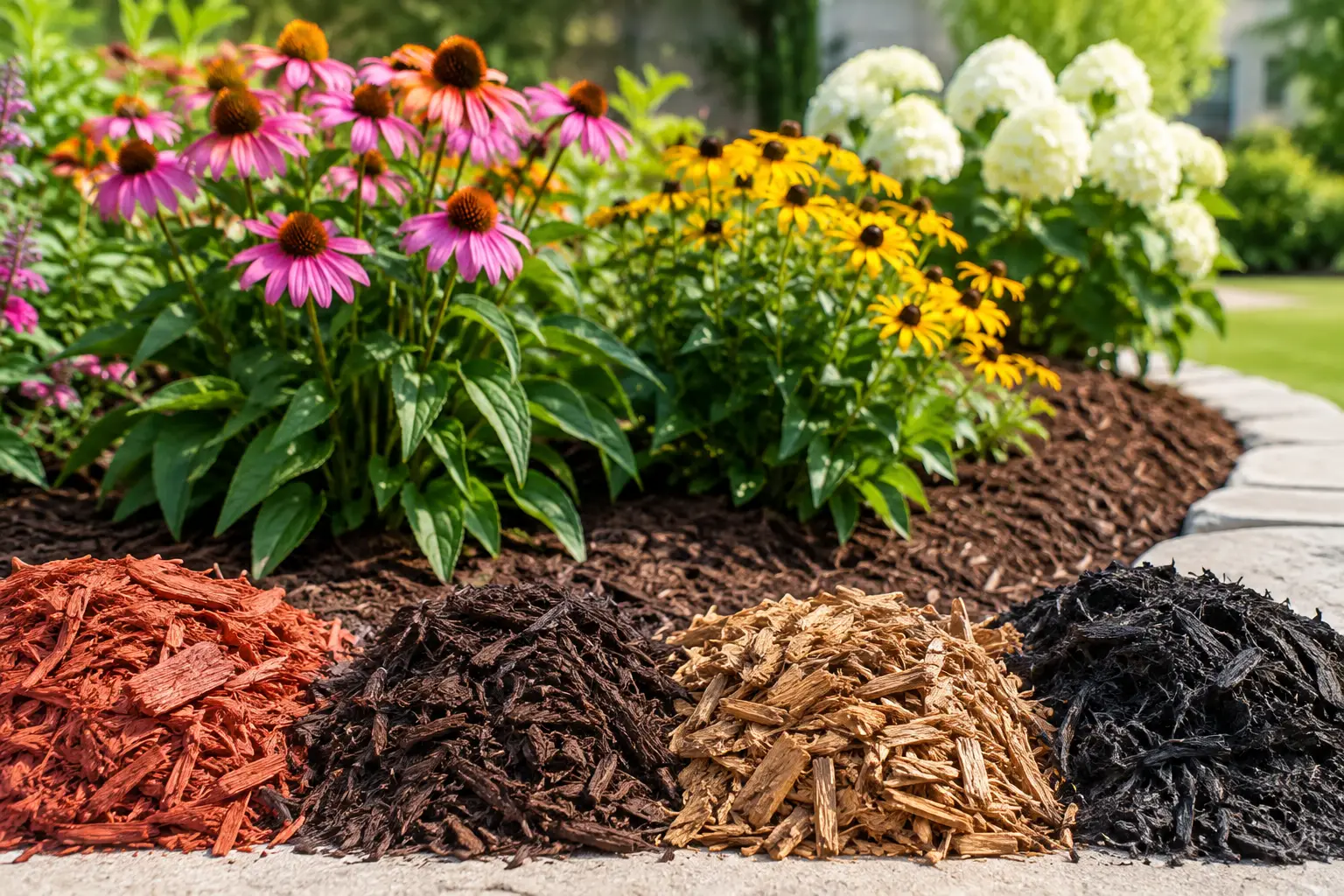
Brown, black, and red mulch can create a more intentional color contrast around flowers and against the exterior of a home. Brown is versatile and natural-looking. Black can make green foliage and bright blooms stand out. Red is a bolder choice that works best when it complements brick, trim, or other warm tones on the property.
Color is personal, but quality matters. A consistent, professionally processed mulch usually looks better across a large bed than mixed bagged products with uneven color and texture. For a front-yard refresh, viewing the material in person at a landscape yard can make the decision much easier.
Mulches to Use Carefully Around Flowers
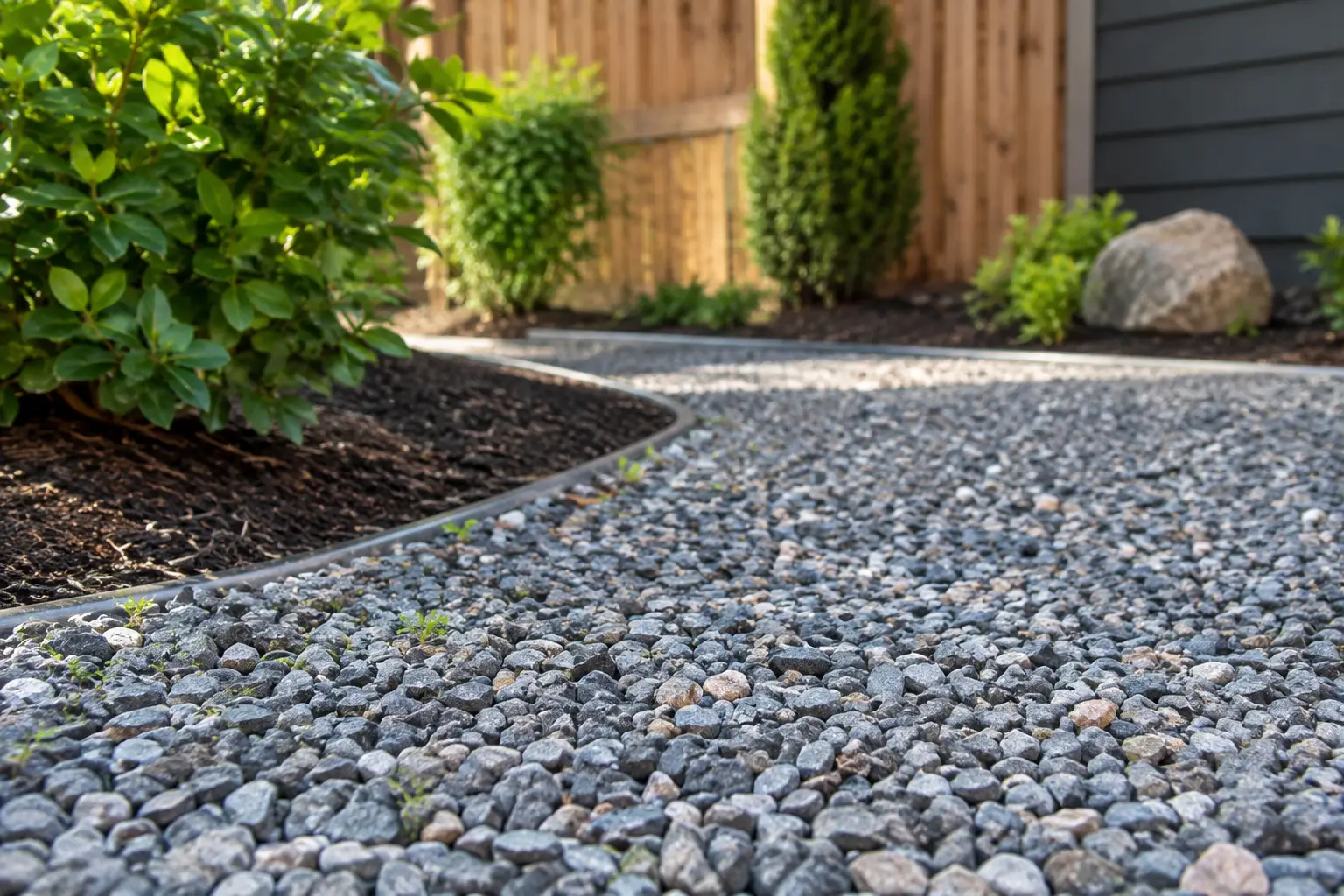
Stone, gravel, and other decorative aggregates have a place in landscapes, but they are not usually the best mulch for actively planted flowerbeds. Rock does not improve soil as it ages, can trap heat around plant roots, and is difficult to remove if you later want to redesign the bed. It is generally better suited for drainage areas, pathways, low-water plantings, or permanent decorative features.
Fresh wood chips can also be a poor fit for small annual beds if they are coarse and uneven. They may be perfectly suitable around trees or in a natural garden area, but finer mulch is easier to plant through and gives flowerbeds a neater finish.
Avoid piling any organic mulch directly against stems, trunks, siding, or the foundation. Mulch that stays wet against plant stems can encourage rot, while mulch built up along a house can hold moisture where you do not want it. Leave a few inches of open space around woody stems and keep mulch several inches below siding.
Get the Depth Right Before Ordering
More mulch is not always better. A layer that is too deep can keep the soil excessively wet, reduce oxygen near roots, and make it harder for water to penetrate evenly. For most flowerbeds, 2 to 3 inches is the target depth after spreading.
If an existing bed already has mulch, do not automatically add another full layer. Rake back a small area and check the current depth. You may only need enough new material to restore a thin, faded layer rather than bury the plants under several additional inches.
To estimate how much bulk mulch you need, measure each bed’s length and width in feet. Multiply those numbers to get square footage, then multiply by the planned depth in inches. Divide that total by 324 to estimate cubic yards. For example, a 12-by-18-foot bed is 216 square feet. At 3 inches deep, it needs about 2 cubic yards of mulch.
Ordering by the yard is often more practical than handling dozens of small bags, especially when refreshing several beds, a front foundation planting, or a full property. It also helps ensure the color and texture remain consistent from one area to the next.
Choose a Color That Supports the Whole Landscape
The mulch should frame your plants rather than compete with them. Dark mulch gives a sharp contrast behind light blooms, variegated leaves, and green shrubs. Medium brown is a safe choice for most homes because it blends naturally with soil, brick, stone, and wood features. Red mulch can bring warmth to a landscape with red brick or earthy exterior colors, though it can feel too strong beside cooler gray finishes.
Consider what the bed will look like in every season, not only when flowers are in bloom. In winter, mulch becomes a larger part of the visual picture. A color that looks good beside evergreen shrubs, bare branches, and the exterior of the home is usually the smarter long-term choice.
Make Installation Easier on Delivery Day
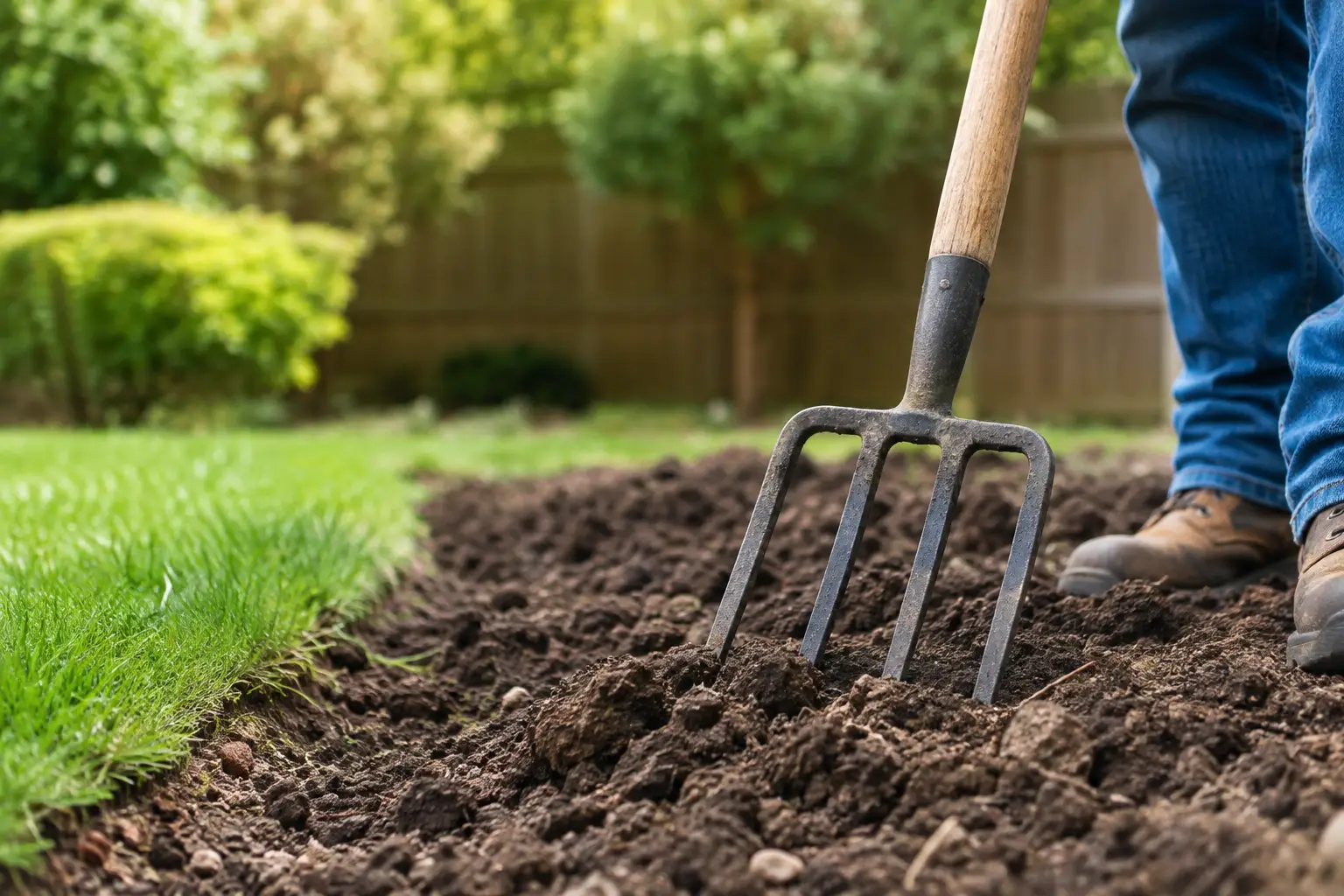
Good preparation makes a mulch project go faster. Pull larger weeds, edge the bed, remove fallen branches, and decide where new material should be placed before it arrives. If you are replacing an old layer, there is usually no need to remove every bit of decomposed mulch. Simply break up compacted areas and spread the new layer evenly over the top.
For larger orders, clear access to the drop location and communicate any placement instructions ahead of time. A convenient pile near the beds can save a great deal of wheelbarrow work. Landscape Source helps Birmingham homeowners and crews purchase quality bulk materials with pickup and dependable local delivery, so a bed refresh can stay on schedule without the repeated trips for bagged mulch.
A well-mulched flowerbed should look cared for, not overbuilt. Choose a quality material that fits the scale of the bed, spread it at the right depth, and give it a quick check after heavy rain or a changing season. Your flowers get better growing conditions, and your landscape gets the clean, welcoming finish that makes the whole property feel more complete.

Leave a Reply