
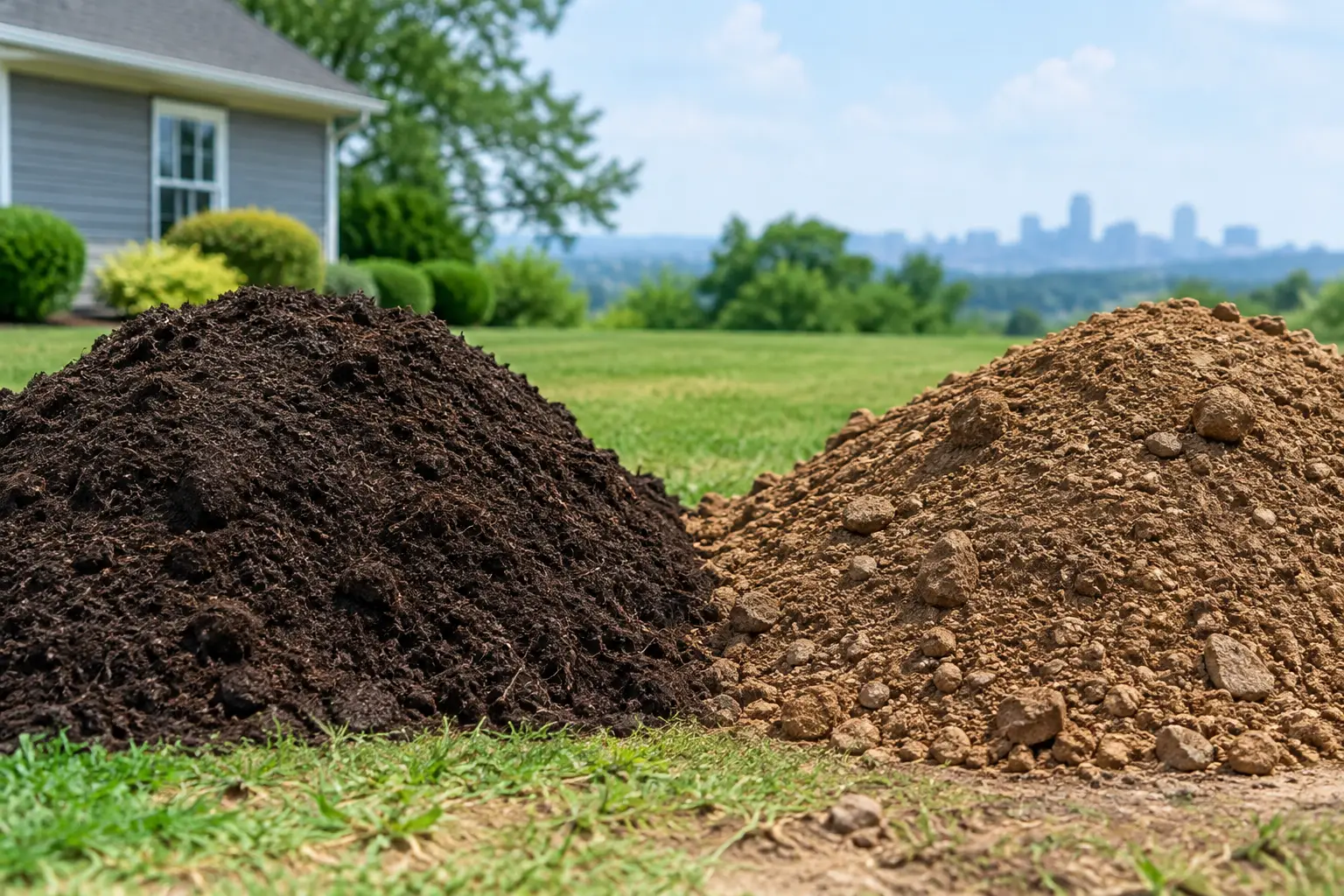
A low spot beside the driveway, a new flower bed, and a lawn that will not grow all call for dirt – but not the same kind. Choosing between topsoil versus fill dirt affects how well your yard drains, whether grass takes root, and how much rework a project needs later. The right material is less about what looks dark in a pile and more about what the area needs to do.
For Birmingham homeowners and landscaping crews, that distinction matters even more where dense red clay is common. A material that works well for raising a grade may be a poor choice for planting. Likewise, premium topsoil can be an unnecessary expense when the real job is building a stable base.
What Is Topsoil?
Topsoil is the upper layer of soil where most plant roots, beneficial organisms, and organic matter belong. Quality topsoil is typically screened to remove larger rocks and debris, leaving a workable material with a loose texture. It provides a better growing environment than plain subsoil because it can hold moisture and nutrients while still allowing roots to spread.
Topsoil is not always identical from one source to another. Its color, texture, organic content, and drainage characteristics can vary. Some topsoil is heavier and more clay-based, while other blends are sandier or enriched with compost. For lawns, vegetable gardens, shrubs, and flower beds, it is worth asking what the material is intended to support rather than assuming every pile labeled topsoil is the same.
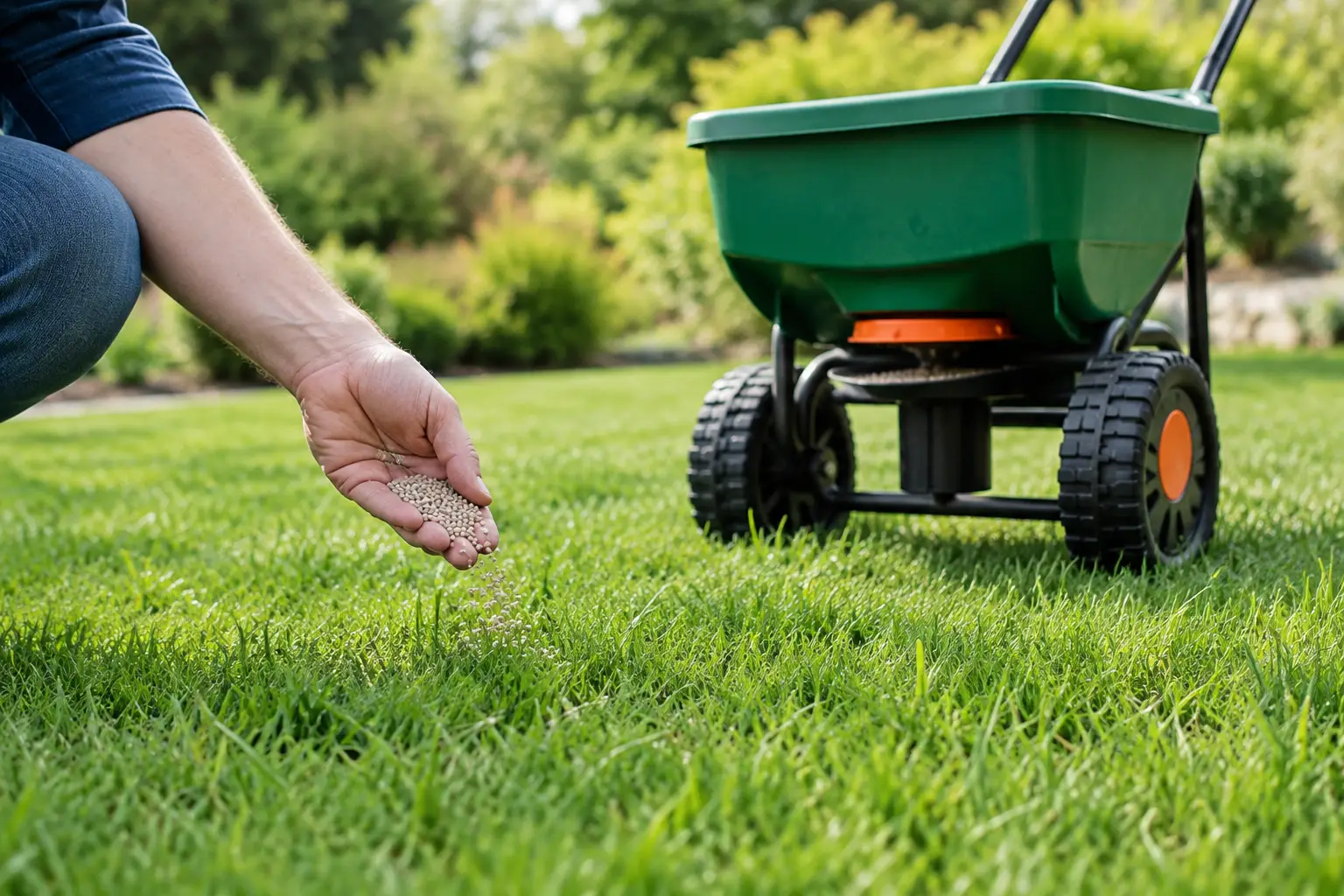
Fresh topsoil is usually spread as a finish layer, not used to solve a major elevation problem. It is the material closest to the surface – the layer where you want seed, sod, roots, and plantings to succeed.
What Is Fill Dirt?
Fill dirt is primarily used to add volume, raise low areas, support grading, or create a stable base beneath a project. It generally comes from below the top layer of soil, so it has far less organic material than topsoil. Depending on its source, fill dirt may contain clay, sand, small rock, or compactable soil.
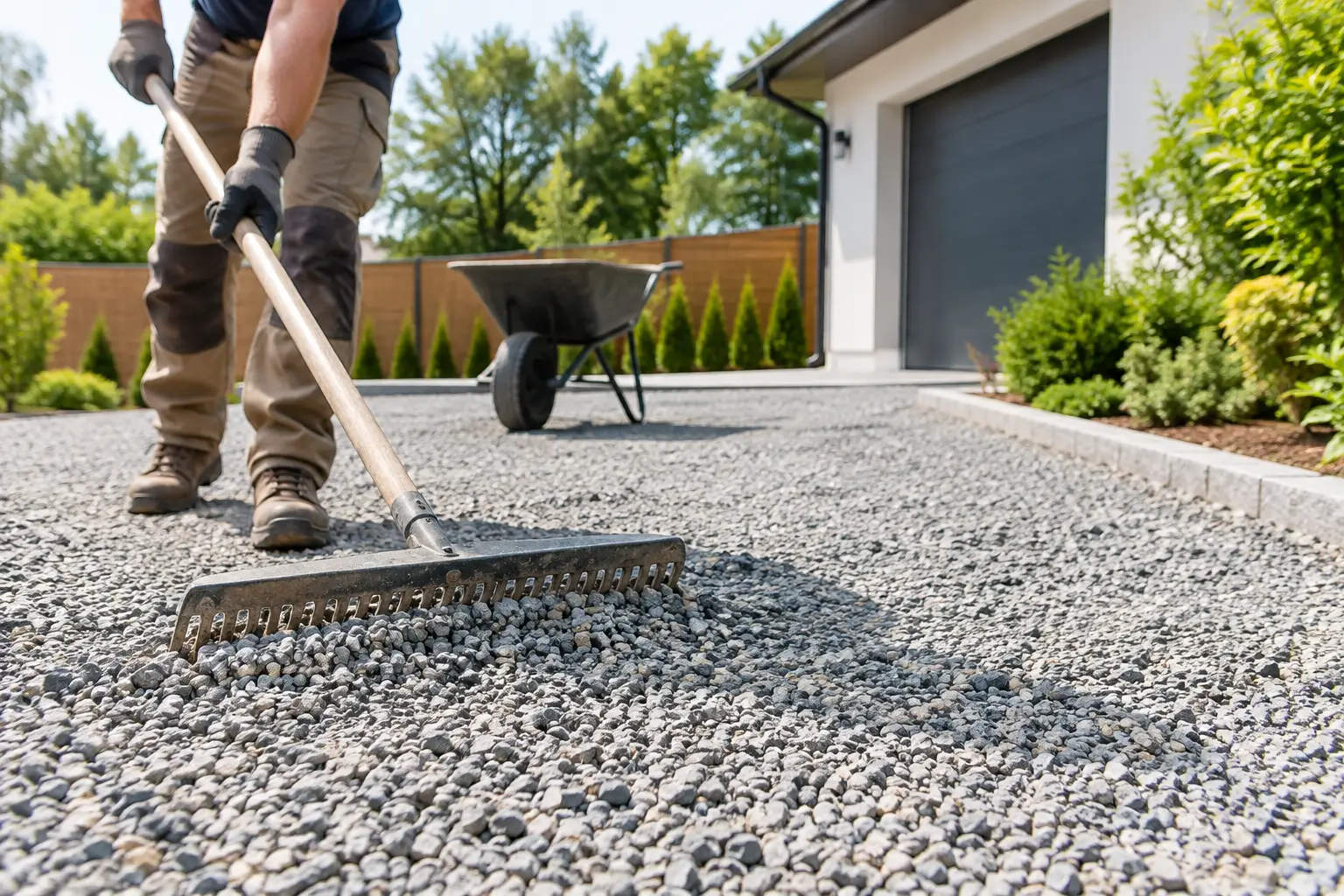
That lack of organic matter is often an advantage. Organic material breaks down over time, which can cause soil to settle. Fill dirt is chosen for its ability to pack down and hold its shape when it is properly installed in layers. It is useful under patios, along foundations, in low spots that need to be built up, and anywhere a project needs structural support before the finish layer goes on.
Because fill dirt is not made for growing plants, it can be difficult for grass and garden roots to establish in it alone. Heavy clay fill can also drain slowly. If you use fill dirt to correct a deep low spot in a lawn, plan to cover it with a layer of topsoil before seeding or laying sod.
Topsoil Versus Fill Dirt: Match the Material to the Job
The simplest way to choose is to start with the end result you want. If you need plants to grow, topsoil belongs at the surface. If you need to raise, level, or support an area, fill dirt is usually the first material placed.
For a shallow lawn repair, topsoil is often all you need. Spread it over a thin low area, blend the edges into the existing lawn, and establish grass from seed or sod. For a depression that is several inches deep, fill dirt can bring the area close to grade, followed by enough topsoil to create a healthy rooting zone.
Garden beds need topsoil, especially if the existing soil is compacted, rocky, or depleted. Before adding it, loosen the native ground so the new layer does not sit like a separate blanket over hard clay. A gradual transition helps water and roots move between the old and new soil.
For grading around a house, think carefully before bringing in either material. The finished grade should direct water away from the foundation. Fill dirt can build the slope, but it should be compacted in manageable lifts rather than dumped into a deep hole all at once. The final surface can then receive topsoil, sod, mulch beds, or other landscape finishes.
How Much Soil Do You Need?
Bulk material is commonly measured by the cubic yard. One cubic yard covers about 324 square feet at a depth of 1 inch, 162 square feet at 2 inches, and 108 square feet at 3 inches. Measure the length and width of the area, decide on the depth, and account for a little extra material for settling, shaping, and uneven ground.
Depth matters. A thin topdressing for an established lawn may be only a quarter-inch to a half-inch deep. New grass installation or bed preparation often benefits from several inches of quality topsoil. Deep fill projects may require far more volume than homeowners expect, particularly when correcting a broad drainage swale or raising a large section of yard.
Avoid ordering based only on the size of the empty space you see. Sloped ground, compaction, and final grading can change the quantity. A quick conversation with an experienced material-yard team can help prevent a second delivery or a pile that is much larger than the project requires.
Drainage and Compaction Can Change the Answer
In many Birmingham yards, the real challenge is not simply low soil. It is water. A low spot may be caused by compacted clay, an undersized drainage path, runoff from a roof, or a grade that sends water toward the home. Adding topsoil without correcting the underlying issue can leave you with a healthier-looking low spot that still stays wet after every storm.
Fill dirt also needs the right approach. If it is placed too deep without compaction, it can settle later and recreate the problem. If it is packed excessively in a planting area, roots may struggle to penetrate it. Use fill where stability is the priority, and reserve the upper growing layer for soil that supports plants.
For areas near foundations, utilities, retaining walls, or major drainage routes, it may be wise to consult a qualified contractor before changing the grade. A yard improvement should move water where it belongs, not create a new issue for the house or a neighboring property.
Common Mistakes to Avoid
One common mistake is using fill dirt as garden soil because it costs less per yard. It may look acceptable at first, but plants can struggle in compacted, low-organic material. Another is trying to level a deeply sunken lawn with topsoil alone. That can be costly, and the material may settle as its organic content decomposes.
It also helps to avoid spreading soil over wet ground. Working saturated soil can create clumps and compaction that are difficult to correct later. Schedule the project when the ground is workable, and keep delivery access in mind. Let the supplier know about narrow drives, gates, overhead limbs, preferred placement, or any area a truck needs to avoid.
Landscape Source helps homeowners and crews plan bulk deliveries with the same practical details in mind – the material needed, the amount required, and where it should be placed so the job can keep moving.
Build the Base, Then Finish for Growth
Most successful yard projects use both materials in the right order: fill dirt below for shape and support, then topsoil above for roots and planting. Start by defining the finished grade and the purpose of the area. Once those two details are clear, ordering the right soil becomes a straightforward step toward a yard that looks better and works better after the next hard rain.
Leave a Reply